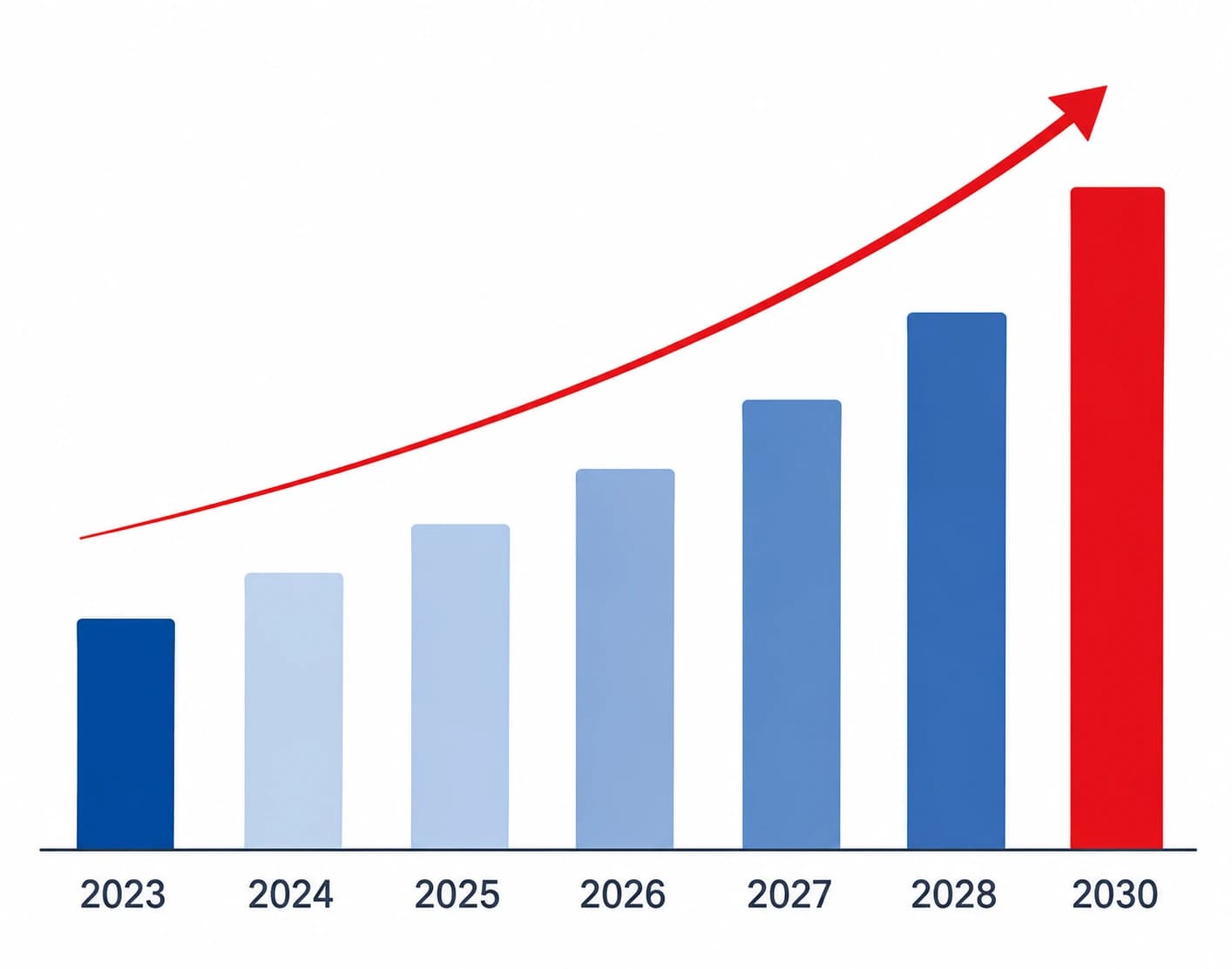
The global market for Ultra HD Laser Projector was estimated to be worth US$ 4090 million in 2025 and is projected to reach US$ 13500 million, growing at a CAGR of 18.6% from 2026 to 2032.
The potential shifts in the 2025 U.S. tariff framework pose substantial volatility risks to global markets. This report provides a comprehensive assessment of recent tariff adjustments and international strategic countermeasures on Ultra HD Laser Projector cross-border industrial footprints, capital allocation patterns, regional economic interdependencies, and supply chain reconfigurations.
In 2025, global Ultra HD Laser Projector production reached approximately 510k units, with an average global market price of around US$8k per unit.
An ultra HD laser projector is a high‑resolution projection device that uses a laser light source to deliver Ultra HD (4K and above) imagery, providing high brightness, high contrast, wide color gamut, and detailed picture quality. Compared with traditional lamp‑based projectors, laser projectors offer longer light source life, more stable color performance, lower maintenance requirements, faster color response, and more consistent brightness, making them ideal for home theaters, business presentations, educational environments, public events, and large‑scale displays, and positioning them as a key category in premium visual display equipment.
The ultra HD laser projector supply chain comprises upstream core optical and electronic component suppliers, midstream system manufacturers and integrators, and downstream distribution and application segments. Upstream includes laser light sources, optical engines, projection lenses, DLP/LCoS imaging chips, driver and control ICs, power and thermal management modules, with representative suppliers such as Sony (optical engines and chips), Texas Instruments (DLP projection chips), Osram, and LG Innotek (laser optics). Midstream manufacturers such as Epson, Sony Electronics, and ViewSonic handle system design, assembly, firmware/software integration, and performance tuning. Downstream are distributors, system integrators, and end‑users including home theater enthusiasts, corporate AV setups, educational institutions, and large event organizers, forming a complete ecosystem from core components → system integration → downstream application.
The ultra HD laser projector market is characterized by steady growth and premiumization, driven by multiple factors including elevated home entertainment expectations, intelligent business conferencing needs, modern education display requirements, and increased demand for immersive visual experiences at large events. Consumers and enterprises are increasingly seeking high‑resolution, long‑lasting, low‑maintenance display solutions, leading laser light sources to replace traditional lamps as the mainstream illumination technology. The fast response, rich color performance, and superior energy efficiency of laser projection also align with the maturation of 4K/8K content ecosystems, supporting continuous adoption in home theaters, education environments, corporate collaboration spaces, and digital signage. At the same time, the market faces challenges such as higher costs for high‑end optical components, supply chain volatility risks, integration complexity with standards and systems, and competition from large LED/LCD video walls and laser TV alternatives. Overall, as technologies mature, ecosystems become more user‑friendly, and cost structures improve, the ultra HD laser projector market is expected to continue steady growth and expand into higher‑performance and multifunctional applications.
This report provides a comprehensive view of the global market for Ultra HD Laser Projector, covering total sales volume, sales revenue, pricing, the market share and ranking of key companies, along with analyses by region & country, by Type, and by Application.
The Ultra HD Laser Projector market size, estimations, and forecasts are presented in terms of sales volume (K Units) and revenue ($ millions), with 2025 as the base year and historical and forecast data from 2021 to 2032. The report combines quantitative and qualitative analysis to help readers develop growth strategies, assess the competitive landscape, evaluate their position in the current marketplace, and make informed business decisions regarding Ultra HD Laser Projector.
Chapter 1: Introduces the scope of the report and the global market size (value, volume, and price). It also summarizes market dynamics and Recent Developments; identifies key drivers and restraints; outlines challenges and risks for manufacturers; reviews relevant industry policies and U.S. tariff implications.
Chapter 2: Provides a detailed analysis of the Ultra HD Laser Projector manufacturers' competitive landscape—including pricing, sales and revenue shares, Recent Developments plans, and mergers and acquisitions (M&A).
Chapter 3: Analyzes market segmentation by Type, presenting the size and growth potential of each segment to help readers identify blue-ocean opportunities.
Chapter 4: Analyzes market segmentation by Application, presenting the size and growth potential of each downstream segment to help readers identify blue-ocean opportunities.
Chapter 5: Presents Ultra HD Laser Projector sales and revenue at the regional level. It offers a quantitative assessment of market size and growth potential by region and summarizes market development, future prospects, addressable space, and country-level market size worldwide.
Chapter 6: Presents Ultra HD Laser Projector sales and revenue at the country level. It provides segmented data by Type and by Application for each country/region.
Chapter 7: Profiles key players, detailing the main companies' product sales, revenue, pricing, gross margin, product portfolios, Recent Developments, etc.
Chapter 8: Analyzes the industry value chain, including upstream suppliers and downstream applications/customers.
- ★ What Is The Overall Market Size And Projected Growth Rate Across Global And Regional Segments?
- ★ How Does The Market Size And Growth Outlook Vary Across Major Countries?
- ★ Which Region Or Market Sub-Segment Is Anticipated To Dominate Growth During The Forecast Period?
- ★ What Are The Primary Factors Expected To Drive Market Expansion, And What Challenges May Restrain Growth?
- ★ Which Emerging Technologies And Market Trends Are Shaping The Future Landscape?
- ★ What Are The Most Significant Opportunities Available In The Market?
- ★ Who Are The Leading Manufacturers Actively Participating In The Global Market?
- ★ Which Company Currently Holds The Largest Share Of The Market?
- ★ What Are The Potential Growth Avenues For New Entrants In The Global Market?