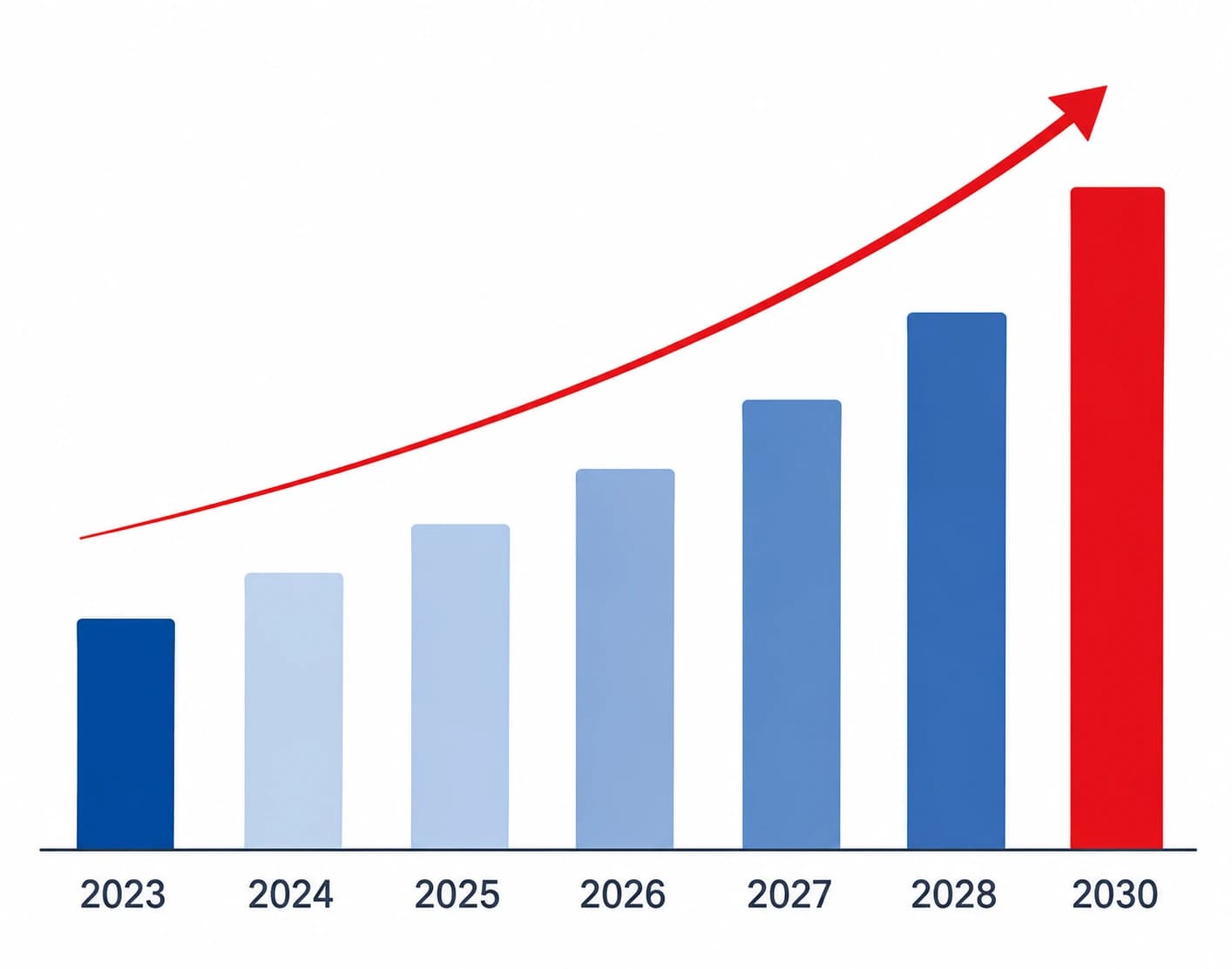
The global Magnetic Fly Screen market was valued at US$ 350 million in 2025 and is anticipated to reach US$ 426 million by 2032, at a CAGR of 3.0% from 2026 to 2032.
The 2025 U.S. tariff policies introduce profound uncertainty into the global economic landscape. This report critically examines the implications of recent tariff adjustments and international strategic countermeasures on Magnetic Fly Screen competitive dynamics, regional economic interdependencies, and supply chain reconfigurations.
In 2025, global sales of Magnetic Fly Screen reached approximately 70 million units, with an average market price of about USD 5 per unit, an annual production capacity of roughly 78 million units, and an industry-average gross margin of approximately 30%.
A Magnetic Fly Screen is a flexible insect screen that uses magnetic strips or clasps for automatic closure, typically made from fiberglass, polyester, or nylon mesh. It attaches to door or window frames via hook-and-loop tape, adhesive strips, or simple frames, offering no-drill installation, easy removal, and washable use for insect prevention and ventilation.
Upstream supplies include mesh fabrics (fiberglass/polyester/nylon), magnetic strips, PVC/webbing, adhesives, and packaging; midstream involves cutting, sewing, magnet insertion, and kitting; downstream consumption is driven by residential doors and windows, rental apartments, patios/balconies, and seasonally strong summer sales via retail, e-commerce, and hardware channels.
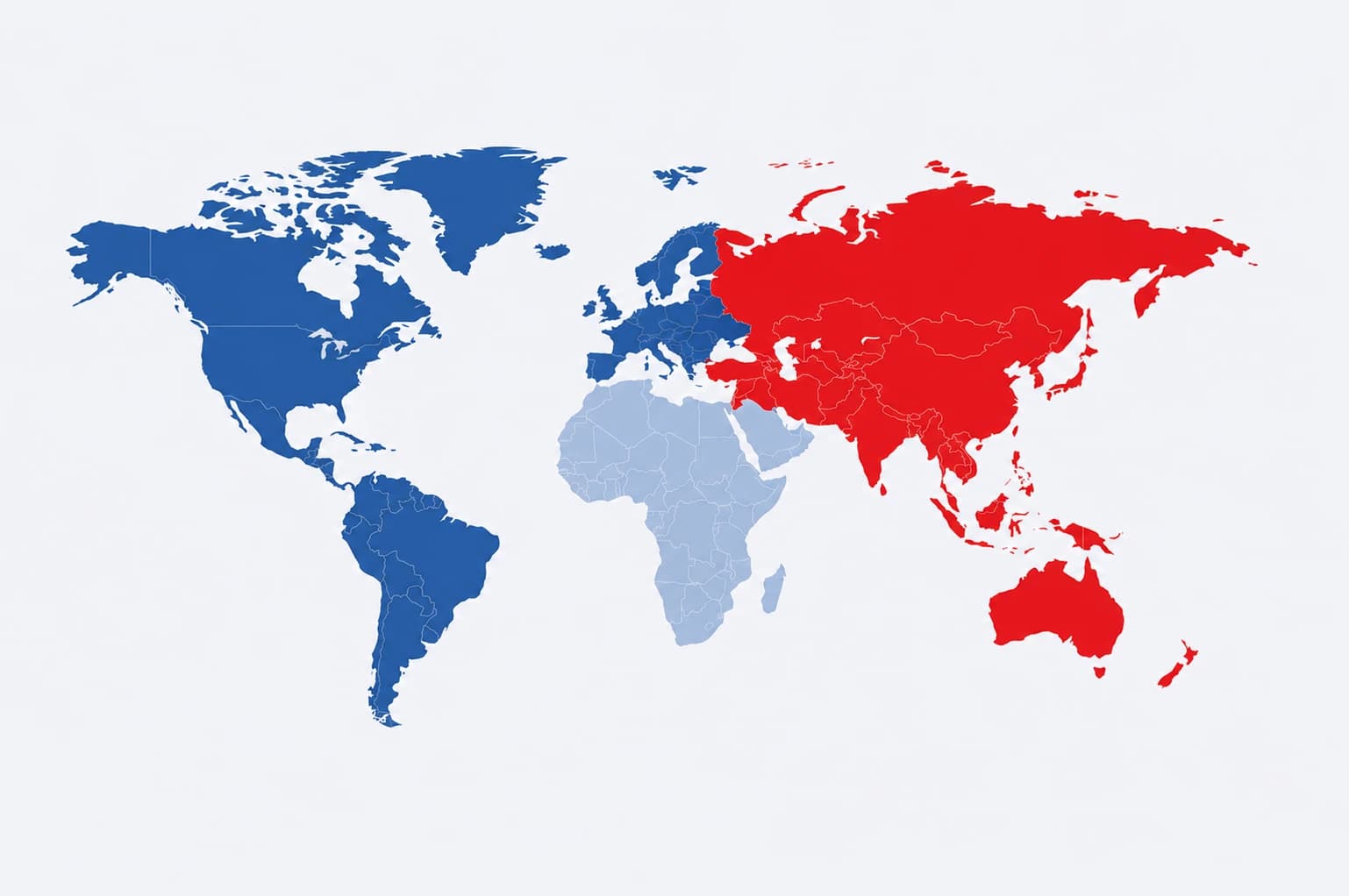
The North American market for Magnetic Fly Screen is projected to increase from US$ million in 2025 to US$ million by 2032, at a CAGR of % over 2026–2032.
The Asia-Pacific market for Magnetic Fly Screen is projected to rise from US$ million in 2025 to US$ million by 2032, at a CAGR of % over 2026–2032.
Major global manufacturers of Magnetic Fly Screen include MagicSeal, Ammplimesh, Juralco, Mazer Scree, MagniScreen, Permastik, Freedom Retractable Screens, Venluree, etc. In 2025, the world's top three vendors accounted for approximately % of revenue.
This report delivers a comprehensive overview of the global Magnetic Fly Screen market, with both quantitative and qualitative analyses, to help readers develop growth strategies, assess the competitive landscape, evaluate their position in the current market, and make informed business decisions regarding Magnetic Fly Screen. The Magnetic Fly Screen market size, estimates, and forecasts are provided in terms of sales volume (Units) and revenue (US$ millions), with 2025 as the base year and historical and forecast data for 2021–2032.
The report segments the global Magnetic Fly Screen market comprehensively. Regional market sizes by Type, by Application, by Material, and by company are also provided. For deeper insight, the report profiles the competitive landscape, key competitors, and their respective market rankings, and discusses technological trends and new product developments.
This report will assist Magnetic Fly Screen manufacturers, new entrants, and companies across the industry value chain with information on revenues, sales volume, and average prices for the overall market and its sub-segments, by company, by Type, by Application, and by region.
Chapter 1: Defines the scope of the report and presents an executive summary of market segments (by Type, by Application, by Material, etc.), including the size of each segment and its future growth potential. It offers a high-level view of the current market and its likely evolution in the short, medium, and long term.
Chapter 2: Provides a detailed analysis of the competitive landscape for Magnetic Fly Screen manufacturers, covering pricing, sales and revenue shares, latest development plans, and mergers and acquisitions.
Chapter 3: Examines Magnetic Fly Screen sales and revenue at the regional and country levels. It quantifies market size and growth potential for each region and its key countries, and outlines market development, outlook, addressable space, and national market size.
Chapter 4: Analyzes segments by Type, detailing the size and growth potential of each segment to help readers identify “blue ocean” opportunities.
Chapter 5: Analyzes market segments by Application, covering the size and growth potential of each segment to help readers identify “blue ocean” opportunities in downstream markets.
Chapter 6: Profiles key players, presenting core information on leading companies, including product sales, revenue, pricing, gross margin, product portfolio/introductions, and recent developments.
Chapter 7: Reviews the industry value chain, including upstream and downstream segments.
Chapter 8: Discusses market dynamics and recent developments, including drivers, restraints, challenges and risks for manufacturers, U.S. Tariffs and relevant policy analysis.
Chapter 9: Summarizes the key findings and conclusions of the report.
- ★ What Is The Overall Market Size And Projected Growth Rate Across Global And Regional Segments?
- ★ How Does The Market Size And Growth Outlook Vary Across Major Countries?
- ★ Which Region Or Market Sub-Segment Is Anticipated To Dominate Growth During The Forecast Period?
- ★ What Are The Primary Factors Expected To Drive Market Expansion, And What Challenges May Restrain Growth?
- ★ Which Emerging Technologies And Market Trends Are Shaping The Future Landscape?
- ★ What Are The Most Significant Opportunities Available In The Market?
- ★ Who Are The Leading Manufacturers Actively Participating In The Global Market?
- ★ Which Company Currently Holds The Largest Share Of The Market?
- ★ What Are The Potential Growth Avenues For New Entrants In The Global Market?