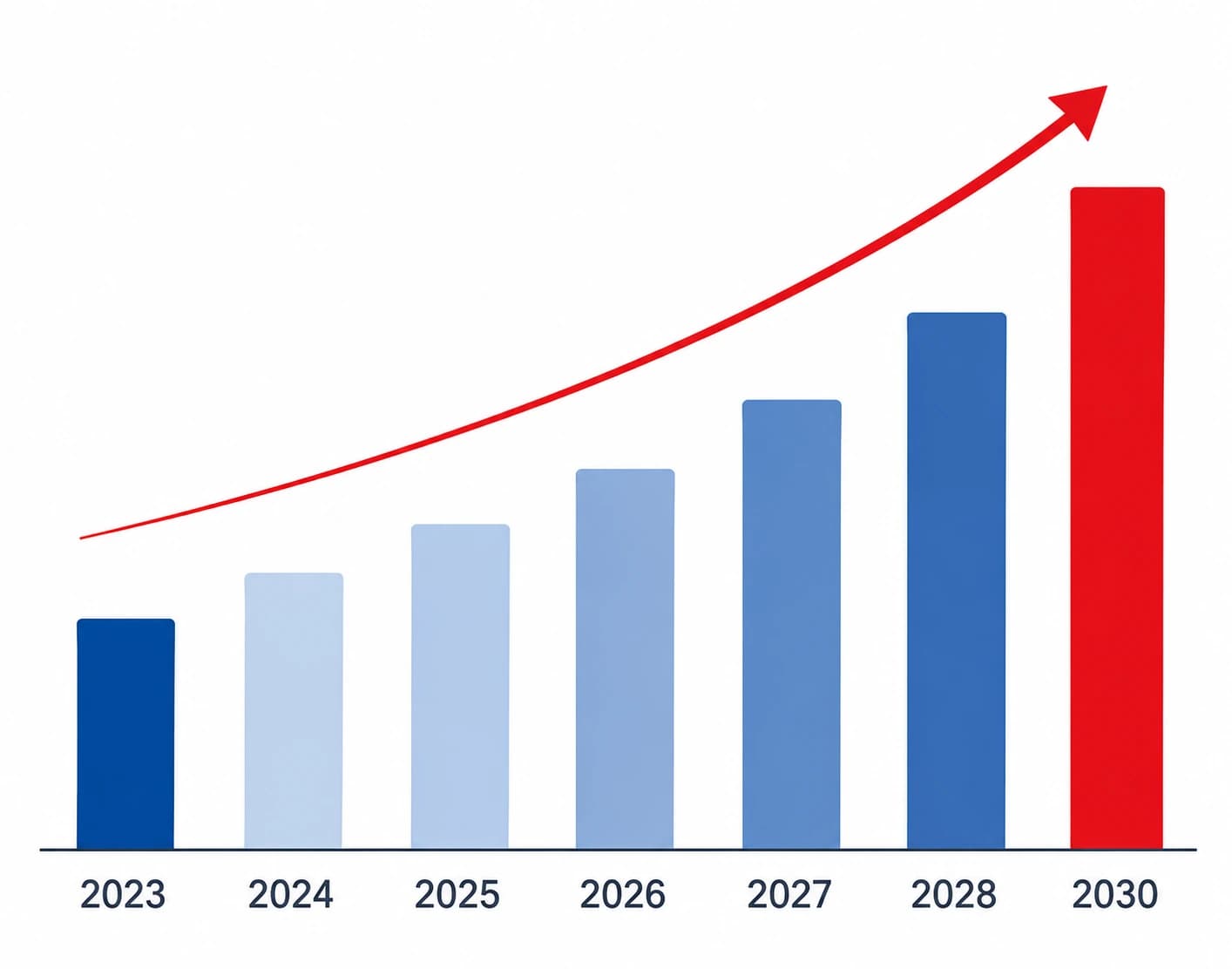
The global Food Tube Filling Machine market was valued at US$ 372 million in 2025 and is anticipated to reach US$ 475 million by 2032, witnessing a CAGR of 3.6% during the forecast period 2026-2032.
Food tube filling machine is a kind of automation equipment specially used in food industry, which is mainly used to accurately fill liquid or semi-solid food products into tubular containers. The equipment usually has a high-precision filling system, which can adjust the filling speed, range and other parameters according to the characteristics of different products to ensure the hygiene, safety and quality of food during the packaging process. Food tube filling machine is widely used in beverages, sauces, juices, dairy products, condiments and other fields, which can greatly improve production efficiency, reduce manual operations, ensure product consistency and standardization of production process.
Food tube filling machine has become an indispensable equipment in the modern food processing industry, and its application has greatly improved production efficiency and product quality. With the continuous advancement of science and technology, food tube filling machine has developed from the initial manual filling equipment to high-precision automatic equipment, which can accurately fill according to the characteristics of different foods. It is not only suitable for liquid foods, such as juice, seasoning, beverages, etc., but also can handle semi-solid, paste or viscous foods, such as ketchup, jam, salad dressing, etc., which makes it widely used in various food production lines. One of the main advantages of food tube filling machine is high efficiency. It can complete a large number of filling tasks in a short time while ensuring that the contents of each pipe container are accurately in place. Automated operation reduces manual intervention, reduces labor costs, and avoids hygiene problems and product inconsistency that may be caused by improper manual operation. In addition, food tube filling machines are usually equipped with advanced control systems that can achieve precise filling volume adjustment and temperature control to ensure the quality and safety of food during the packaging process. In order to meet the needs of different markets, modern filling machines are usually highly customizable and can be adjusted according to different container specifications, filling capacity, production speed and filling accuracy requirements. More advanced equipment also includes automatic cleaning systems and anti-leakage designs, which further ensure the sanitary conditions of food and the safety of the production environment. With the improvement of consumers' requirements for food quality and safety, food tube filling machines not only improve the work efficiency of production lines, but also promote the development of food production in a more refined and intelligent direction. In general, as a vital production equipment in the modern food industry, food tube filling machines not only help companies improve production capacity and save costs, but also provide strong technical support for ensuring food quality, hygiene and safety.
This report aims to provide a comprehensive presentation of the global market for Food Tube Filling Machine, with both quantitative and qualitative analysis, to help readers develop business/growth strategies, assess the market competitive situation, analyze their position in the current marketplace, and make informed business decisions regarding Food Tube Filling Machine.
The Food Tube Filling Machine market size, estimations, and forecasts are provided in terms of sales quantity (Units) and revenue ($ millions), considering 2025 as the base year, with history and forecast data for the period from 2021 to 2032. This report segments the global Food Tube Filling Machine market comprehensively. Regional market sizes, concerning products by Type, by Application, and by players, are also provided.
For a more in-depth understanding of the market, the report provides profiles of the competitive landscape, key competitors, and their respective market ranks. The report also discusses technological trends and new product developments.
The report will help the Food Tube Filling Machine manufacturers, new entrants, and industry chain related companies in this market with information on the revenues, sales, and average price for the overall market and the sub-segments across the different segments, by company, by Type, by Application, and by regions.
Chapter 1: Introduces the report scope of the report, executive summary of different market segments (by region, product type, application, etc), including the market size of each market segment, future development potential, and so on. It offers a high-level view of the current state of the market and its likely evolution in the short to mid-term, and long term.
Chapter 2: key insights, key emerging trends, etc.
Chapter 3: Manufacturers competitive analysis, detailed analysis of Food Tube Filling Machine manufacturers competitive landscape, price, sales and revenue market share, latest development plan, merger, and acquisition information, etc.
Chapter 4: Provides profiles of key players, introducing the basic situation of the main companies in the market in detail, including product sales, revenue, price, gross margin, product introduction, recent development, etc.
Chapter 5 & 6: Sales, revenue of Food Tube Filling Machine in regional level and country level. It provides a quantitative analysis of the market size and development potential of each region and its main countries and introduces the market development, future development prospects, market space, and market size of each country in the world.
Chapter 7: Provides the analysis of various market segments by Type, covering the market size and development potential of each market segment, to help readers find the blue ocean market in different market segments.
Chapter 8: Provides the analysis of various market segments by Application, covering the market size and development potential of each market segment, to help readers find the blue ocean market in different downstream markets.
Chapter 9: Analysis of industrial chain, including the upstream and downstream of the industry.
Chapter 10: The main points and conclusions of the report.
- ★ What Is The Overall Market Size And Projected Growth Rate Across Global And Regional Segments?
- ★ How Does The Market Size And Growth Outlook Vary Across Major Countries?
- ★ Which Region Or Market Sub-Segment Is Anticipated To Dominate Growth During The Forecast Period?
- ★ What Are The Primary Factors Expected To Drive Market Expansion, And What Challenges May Restrain Growth?
- ★ Which Emerging Technologies And Market Trends Are Shaping The Future Landscape?
- ★ What Are The Most Significant Opportunities Available In The Market?
- ★ Who Are The Leading Manufacturers Actively Participating In The Global Market?
- ★ Which Company Currently Holds The Largest Share Of The Market?
- ★ What Are The Potential Growth Avenues For New Entrants In The Global Market?