The Pharmaceutical Environmental Monitoring industry can be broken down into several segments, Monitoring Equipment, Media, etc.
Environmental monitoring and testing equipment is used to test for surface and airborne contaminants within pharmaceutical clean rooms and other controlled environments. The data collected with environmental monitoring and testing equipment is often used for regulatory compliance and manufacturing protocols for safety and QA.
Across the world, the major players cover Danaher Corporation, Thermo Fisher Scientific, Merck KGaA, etc.
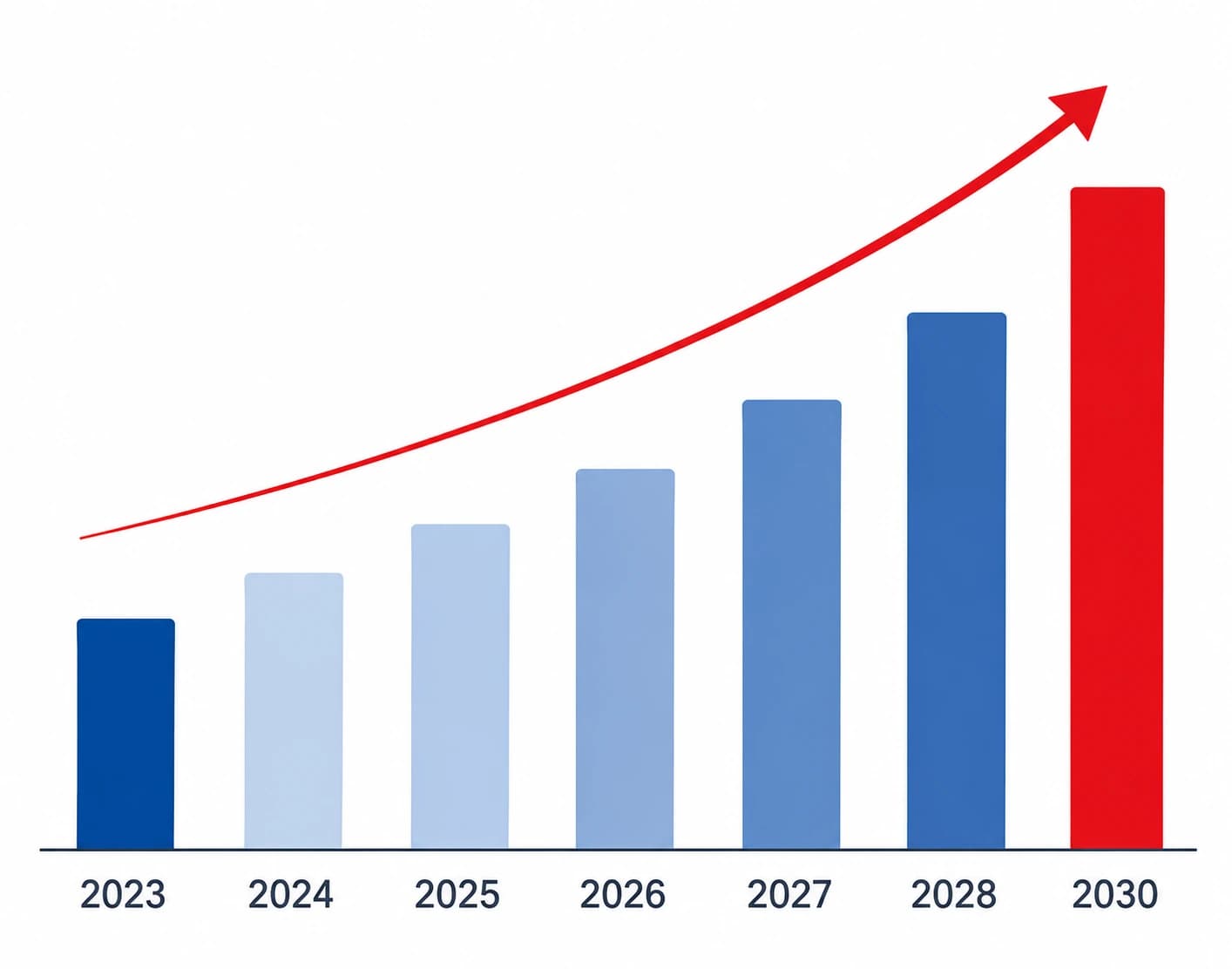
The global Pharmaceutical Environmental Monitoring revenue was US$ 859.4 million in 2022 and is forecast to a readjusted size of US$ 1351.4 million by 2029 with a CAGR of 6.6% during the review period (2023-2029).
In India, the Pharmaceutical Environmental Monitoring revenue is expected to grow from US$ million in 2022 to US$ million by 2029, at a CAGR of % during the forecast period 2023-2029.
The classification of Pharmaceutical Environmental Monitoring includes Monitoring Equipment, Media, Software and Microbiology Services, the proportion of Monitoring Equipment in 2019 is about 32%.
Pharmaceutical Environmental Monitoring is widely used in Traditional Pharmaceutical Industry, Biopharmaceutical Industry and Academic & Research Institutes. The most proportion of Pharmaceutical Environmental Monitoring is Traditional Pharmaceutical Industry, and the proportion in 2019 is about 49%.
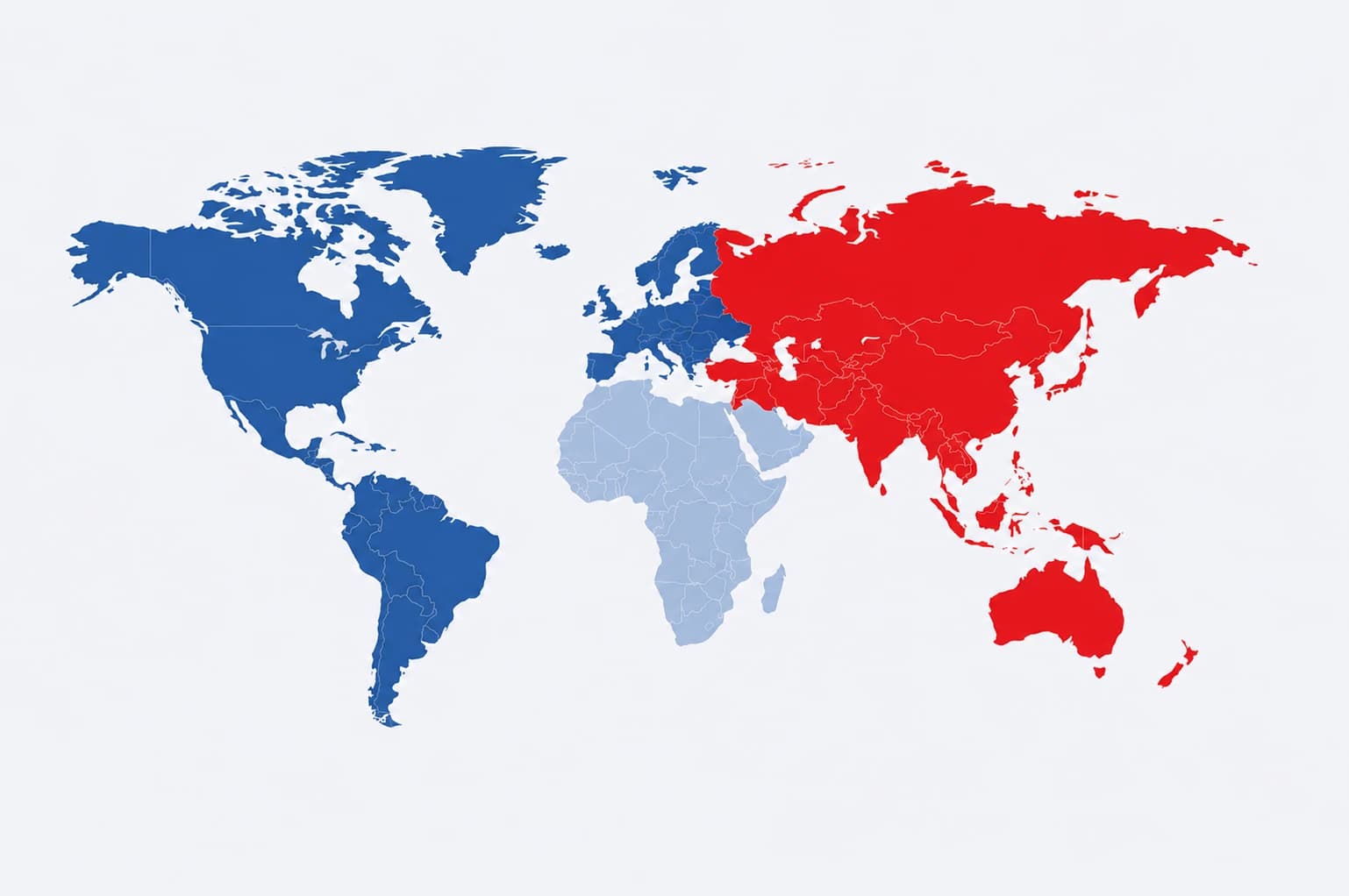
North America is the largest market for Pharmaceutical Environmental Monitoring, with a market share nearly 47% in 2019. Following North America, Europe is the second largest market with the consumption market share of about 26%.
Danaher Corporation, Thermo Fisher Scientific, Merck KGaA, Eurofins Sinensis, Lonza the leaders of the industry.
This report focuses on global and India Pharmaceutical Environmental Monitoring market, also covers the segmentation data of other regions in regional level and county level.
India is now the world’s most populous country. According to IMF (its July update to its World Economic Outlook), India’s GDP growth is projected at 6.1% in 2023, powered by domestic investment. First and foremost, the key factor in India's rapid economic growth is the huge supply and demand from a large population base. Demand and supply sides working in both directions to support India's economic stability.
India is a market full of opportunities, and the demand for Pharmaceutical Environmental Monitoring will continue to grow rapidly in the future.
Global Pharmaceutical Environmental Monitoring Scope and Market Size
Pharmaceutical Environmental Monitoring market is segmented in regional and country level, by players, by Type and by Application. Companies, stakeholders, and other participants in the global Pharmaceutical Environmental Monitoring market will be able to gain the upper hand as they use the report as a powerful resource. The segmental analysis focuses on revenue and forecast by Type and by Application for the period 2018-2029.
For India market, this report focuses on the Pharmaceutical Environmental Monitoring market size by players, by Type and by Application, for the period 2018-2029. The key players include the global and local players, which play important roles in India.
Amphenol Advanced Sensors
Traditional Pharmaceutical Industry
Biopharmaceutical Industry Industry
Academic & Research Institutes
Chapter 1: Introduces Pharmaceutical Environmental Monitoring definition, global market size, India market size, India percentage in global market. This section also introduces the market dynamics, latest developments of the market, the driving factors and restrictive factors of the market, the challenges and risks faced by companies in the industry, and the analysis of relevant policies in the industry.
Chapter 2: Provides the analysis of various market segments by type, covering the revenue, and development potential of each market segment, to help readers find the blue ocean market in different market segments.
Chapter 3: Provides the analysis of various market segments by application, covering the revenue and development potential of each market segment, to help readers find the blue ocean market in different downstream markets.
Chapter 4: Detailed analysis of Pharmaceutical Environmental Monitoring companies’ competitive landscape, revenue, market share and industry ranking, latest development plan, merger and acquisition information, etc.
Chapter 5: Revenue of Pharmaceutical Environmental Monitoring in global and regional level. It provides a quantitative analysis of the market size and development potential of each region and introduces the market development, future development prospects, market space of each country in the world.
Chapter 6: Americas by type, by application and by country revenue for each segment.
Chapter 7: EMEA by type, by application and by region, revenue for each segment.
Chapter 8: China by type, by application revenue for each segment.
Chapter 9: APAC (excluding China) by type, by application and by region, revenue for each segment.
Chapter 10: Provides profiles of key companies, introducing the basic situation of the main companies in the market in detail, including product descriptions and specifications, Pharmaceutical Environmental Monitoring revenue, gross margin and recent development, etc.
Chapter 11: Analyst's Viewpoints/Conclusions