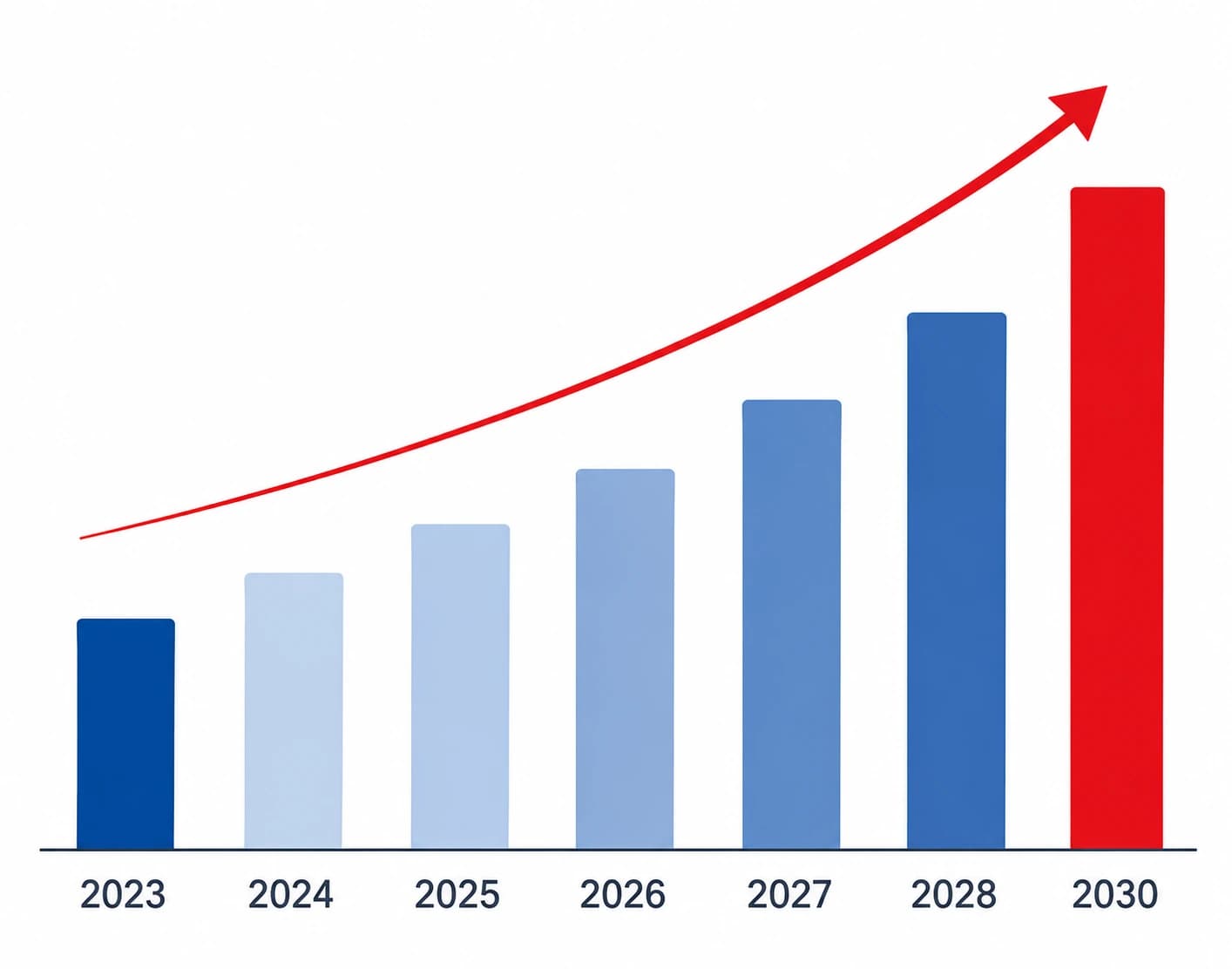
The global Baby Snack Food market was valued at US$ million in 2024 and is anticipated to reach US$ million by 2031, witnessing a CAGR of %during the forecast period 2025-2031.
According to World Bank statistics, the global birth rate in 2021 was about 1.7%. Although the population growth rate had slowed down, with the development of the world economy and the increase of per capita disposable income of residents, the spending power is growing. Therefore, there is still a large room for development in the baby products industry. Improving product quality and tapping the value of a single customer will become the drivers for the growth of the infant and child industry. Refinement and diversification are the core characteristics of the consumer demand. China has a large population base, and even if the population growth rate slows down, there will still be a demographic dividend. The State Council in 2022 proposes to "Guide market players to produce safer and healthier domestic infant products". According to the National Bureau of Statistics, China"s birth rate in 2022 was 6.77%, and the birth population was 9.56 million. According to the results of the seventh national census in 2021, the number of infants and young children aged 0-6 in China reached 140 million, of which the number of infants and young children aged 3-6 exceeded 70 million. The huge population size has brewed a market demand with huge potential, and the children"s consumption market has risen rapidly. Chinese families spend a lot on childcare, with the average cost of childcare ranking second in the world. The survey data released by China Research Center for Children"s Industry shows that in 80% of families in China, children"s expenditures account for 30% to 50% of household expenditures, and the average annual consumption of children in families is ¥17,000 to 25,500. According to data from the Yuwa Population Research, the national average cost of raising a child (the cost of raising a child to the age of 18) is ¥485,218. From the perspective of specific stages, the largest proportion is the cost of raising children aged 6-14, accounting for about 45%. The cost during pregnancy, the cost of childbirth and confinement, and the cost of raising babies aged 0-2 accounted for 2.06%, 2.09% and 13.33% separately.
This report aims to provide a comprehensive presentation of the global market for Baby Snack Food, with both quantitative and qualitative analysis, to help readers develop business/growth strategies, assess the market competitive situation, analyze their position in the current marketplace, and make informed business decisions regarding Baby Snack Food.
The Baby Snack Food market size, estimations, and forecasts are provided in terms of revenue ($ millions), considering 2024 as the base year, with history and forecast data for the period from 2020 to 2031. This report segments the global Baby Snack Food market comprehensively. Regional market sizes, concerning products by Type, by Application, and by players, are also provided.
For a more in-depth understanding of the market, the report provides profiles of the competitive landscape, key competitors, and their respective market ranks. The report also discusses technological trends and new product developments.
The report will help the Baby Snack Food manufacturers, new entrants, and industry chain related companies in this market with information on the revenues for the overall market and the sub-segments across the different segments, by company, by Type, by Application, and by regions.
Chapter 1: Introduces the report scope of the report, executive summary of different market segments (by region, product type, application, etc), including the market size of each market segment, future development potential, and so on. It offers a high-level view of the current state of the market and its likely evolution in the short to mid-term, and long term.
Chapter 2: key insights, key emerging trends, etc.
Chapter 3: Manufacturers competitive analysis, detailed analysis of Baby Snack Food manufacturers competitive landscape, revenue market share, latest development plan, merger, and acquisition information, etc.
Chapter 4: Provides profiles of key players, introducing the basic situation of the main companies in the market in detail, including product revenue, gross margin, product introduction, recent development, etc.
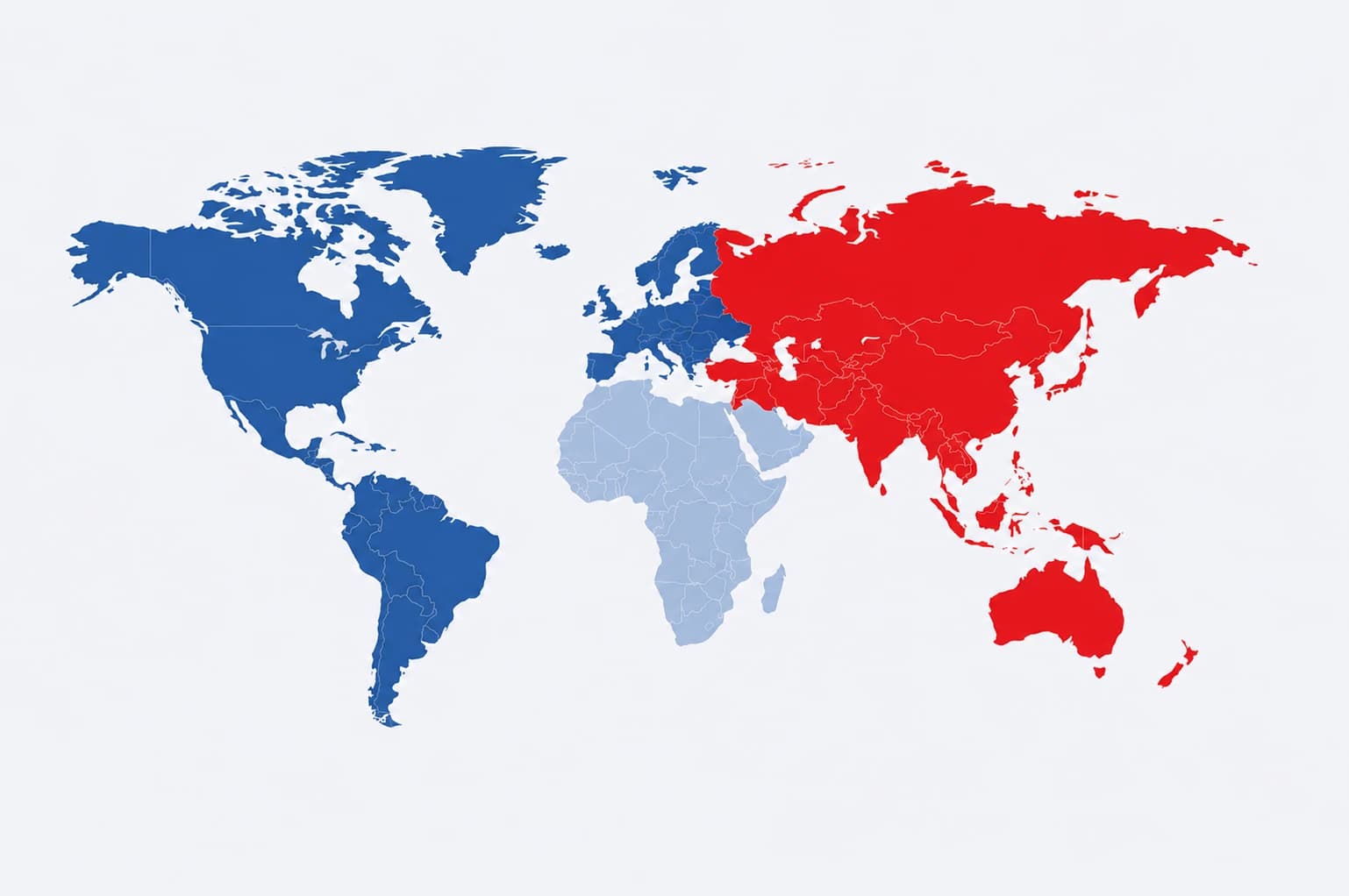
Chapter 5 & 6: Revenue of Baby Snack Food in regional level and country level. It provides a quantitative analysis of the market size and development potential of each region and its main countries and introduces the market development, future development prospects, market space, and market size of each country in the world.
Chapter 7: Provides the analysis of various market segments by Type, covering the market size and development potential of each market segment, to help readers find the blue ocean market in different market segments.
Chapter 8: Provides the analysis of various market segments by Application, covering the market size and development potential of each market segment, to help readers find the blue ocean market in different downstream markets.
Chapter 9: Analysis of industrial chain, including the upstream and downstream of the industry.
Chapter 10: The main points and conclusions of the report.
- ★ What Is The Overall Market Size And Projected Growth Rate Across Global And Regional Segments?
- ★ How Does The Market Size And Growth Outlook Vary Across Major Countries?
- ★ Which Region Or Market Sub-Segment Is Anticipated To Dominate Growth During The Forecast Period?
- ★ What Are The Primary Factors Expected To Drive Market Expansion, And What Challenges May Restrain Growth?
- ★ Which Emerging Technologies And Market Trends Are Shaping The Future Landscape?
- ★ What Are The Most Significant Opportunities Available In The Market?
- ★ Who Are The Leading Manufacturers Actively Participating In The Global Market?
- ★ Which Company Currently Holds The Largest Share Of The Market?
- ★ What Are The Potential Growth Avenues For New Entrants In The Global Market?