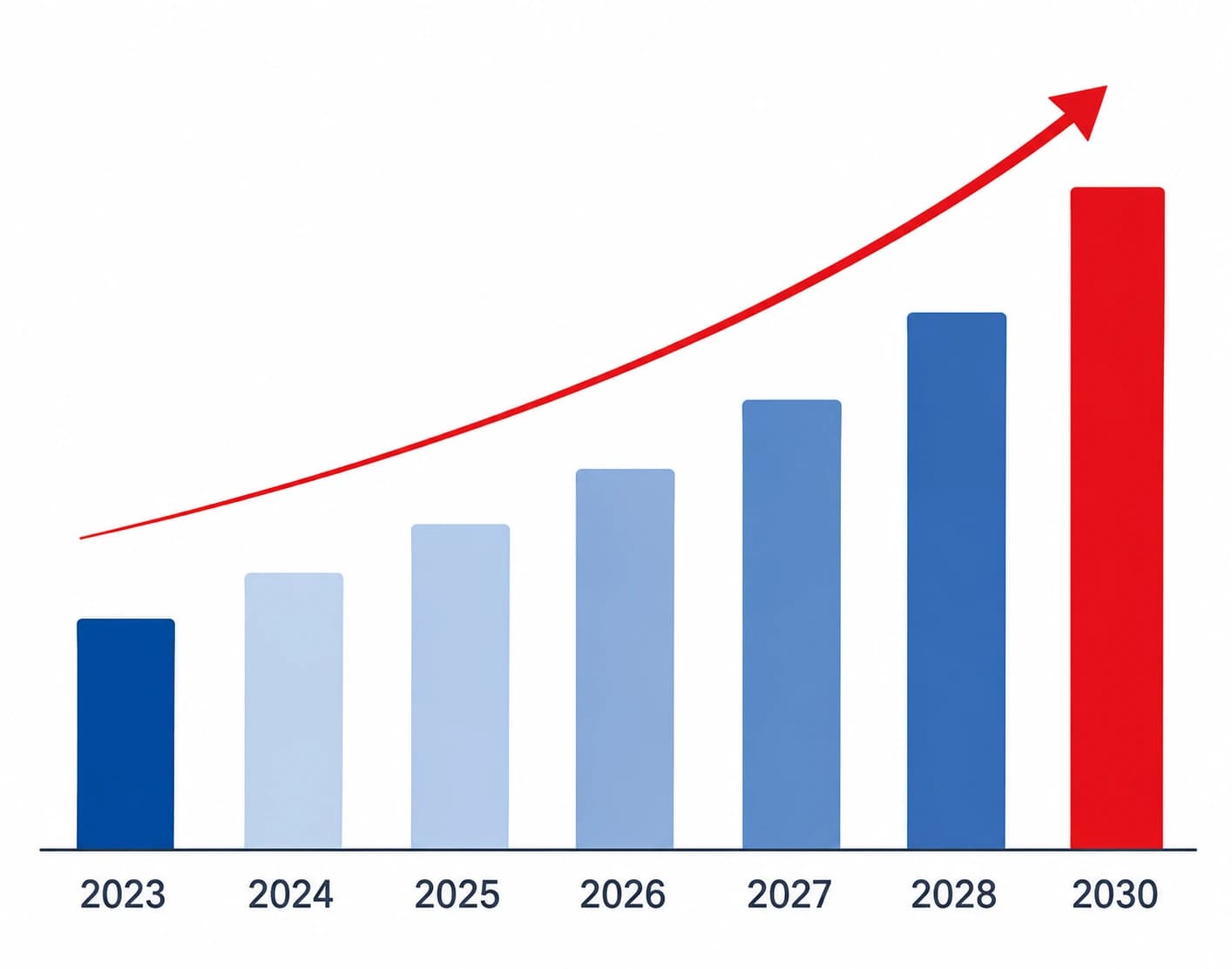
The global Biomedical Refrigerators market was valued at US$ 2245 million in 2025 and is anticipated to reach US$ 3228 million by 2032, witnessing a CAGR of 5.4% during the forecast period 2026-2032.
A Biomedical Refrigerators is a specialized cooling unit designed to store temperature-sensitive medical supplies, such as vaccines, medications, blood products, and biological samples, at precise, stable temperatures. Biomedical Refrigeratorss are equipped with advanced temperature control systems, alarms, and monitoring features to ensure the contents are stored within specific temperature ranges to maintain their potency and safety. These refrigerators are essential in hospitals, clinics, laboratories, and pharmacies to preserve the integrity of critical medical products.
The Biomedical Refrigerators Market Drivers:
Increasing Demand for Vaccines and Biologics: The global rise in vaccination programs and the development of biologics and other temperature-sensitive pharmaceuticals drive the demand for reliable cold storage solutions.
Growth of the Healthcare Sector: Expanding healthcare infrastructure, especially in developing regions, leads to more demand for Biomedical Refrigeratorss to store sensitive drugs, blood, and plasma.
Stringent Regulatory Requirements: Stringent guidelines and regulations imposed by governments and healthcare organizations require proper storage and handling of medications, which necessitates reliable refrigeration technology.
Technological Advancements: Developments such as smart refrigerators with digital monitoring, IoT-based temperature control, and energy-efficient solutions enhance the functionality and appeal of Biomedical Refrigeratorss.
Rising Number of Blood Banks and Research Centers: Increasing healthcare and clinical research activities require the storage of blood samples, reagents, and biological products under strict temperature control, driving demand for Biomedical Refrigeratorss.
The Biomedical Refrigerators Market Challenges:
High Initial Investment Costs: Advanced Biomedical Refrigeratorss with precise temperature control and monitoring systems can be expensive, which may deter small healthcare providers from adopting them.
Energy Consumption: Biomedical Refrigeratorss typically run 24/7 to maintain constant temperatures, resulting in high energy consumption, leading to increased operational costs, especially in regions with high electricity prices.
Temperature Fluctuation Risks: Maintaining consistent temperatures in refrigerators, especially in unstable power grid regions, can be a challenge, risking damage to sensitive medical products.
Complex Maintenance and Repairs: Biomedical Refrigeratorss with advanced features may require specialized maintenance, and breakdowns can lead to costly repairs or even the loss of valuable biological samples and medications.
Environmental Concerns: Some refrigeration technologies rely on environmentally harmful refrigerants that contribute to global warming, and there is growing pressure to adopt eco-friendly alternatives, which can be more costly and less widely available.
This report aims to provide a comprehensive presentation of the global market for Biomedical Refrigerators, with both quantitative and qualitative analysis, to help readers develop business/growth strategies, assess the market competitive situation, analyze their position in the current marketplace, and make informed business decisions regarding Biomedical Refrigerators.
The Biomedical Refrigerators market size, estimations, and forecasts are provided in terms of sales quantity (K Units) and revenue ($ millions), considering 2025 as the base year, with history and forecast data for the period from 2021 to 2032. This report segments the global Biomedical Refrigerators market comprehensively. Regional market sizes, concerning products by Type, by Application, and by players, are also provided.
For a more in-depth understanding of the market, the report provides profiles of the competitive landscape, key competitors, and their respective market ranks. The report also discusses technological trends and new product developments.
The report will help the Biomedical Refrigerators manufacturers, new entrants, and industry chain related companies in this market with information on the revenues, sales, and average price for the overall market and the sub-segments across the different segments, by company, by Type, by Application, and by regions.
Chapter 1: Introduces the report scope of the report, executive summary of different market segments (by region, product type, application, etc), including the market size of each market segment, future development potential, and so on. It offers a high-level view of the current state of the market and its likely evolution in the short to mid-term, and long term.
Chapter 2: key insights, key emerging trends, etc.
Chapter 3: Manufacturers competitive analysis, detailed analysis of Biomedical Refrigerators manufacturers competitive landscape, price, sales and revenue market share, latest development plan, merger, and acquisition information, etc.
Chapter 4: Provides profiles of key players, introducing the basic situation of the main companies in the market in detail, including product sales, revenue, price, gross margin, product introduction, recent development, etc.
Chapter 5 & 6: Sales, revenue of Biomedical Refrigerators in regional level and country level. It provides a quantitative analysis of the market size and development potential of each region and its main countries and introduces the market development, future development prospects, market space, and market size of each country in the world.
Chapter 7: Provides the analysis of various market segments by Type, covering the market size and development potential of each market segment, to help readers find the blue ocean market in different market segments.
Chapter 8: Provides the analysis of various market segments by Application, covering the market size and development potential of each market segment, to help readers find the blue ocean market in different downstream markets.
Chapter 9: Analysis of industrial chain, including the upstream and downstream of the industry.
Chapter 10: The main points and conclusions of the report.
- ★ What Is The Overall Market Size And Projected Growth Rate Across Global And Regional Segments?
- ★ How Does The Market Size And Growth Outlook Vary Across Major Countries?
- ★ Which Region Or Market Sub-Segment Is Anticipated To Dominate Growth During The Forecast Period?
- ★ What Are The Primary Factors Expected To Drive Market Expansion, And What Challenges May Restrain Growth?
- ★ Which Emerging Technologies And Market Trends Are Shaping The Future Landscape?
- ★ What Are The Most Significant Opportunities Available In The Market?
- ★ Who Are The Leading Manufacturers Actively Participating In The Global Market?
- ★ Which Company Currently Holds The Largest Share Of The Market?
- ★ What Are The Potential Growth Avenues For New Entrants In The Global Market?