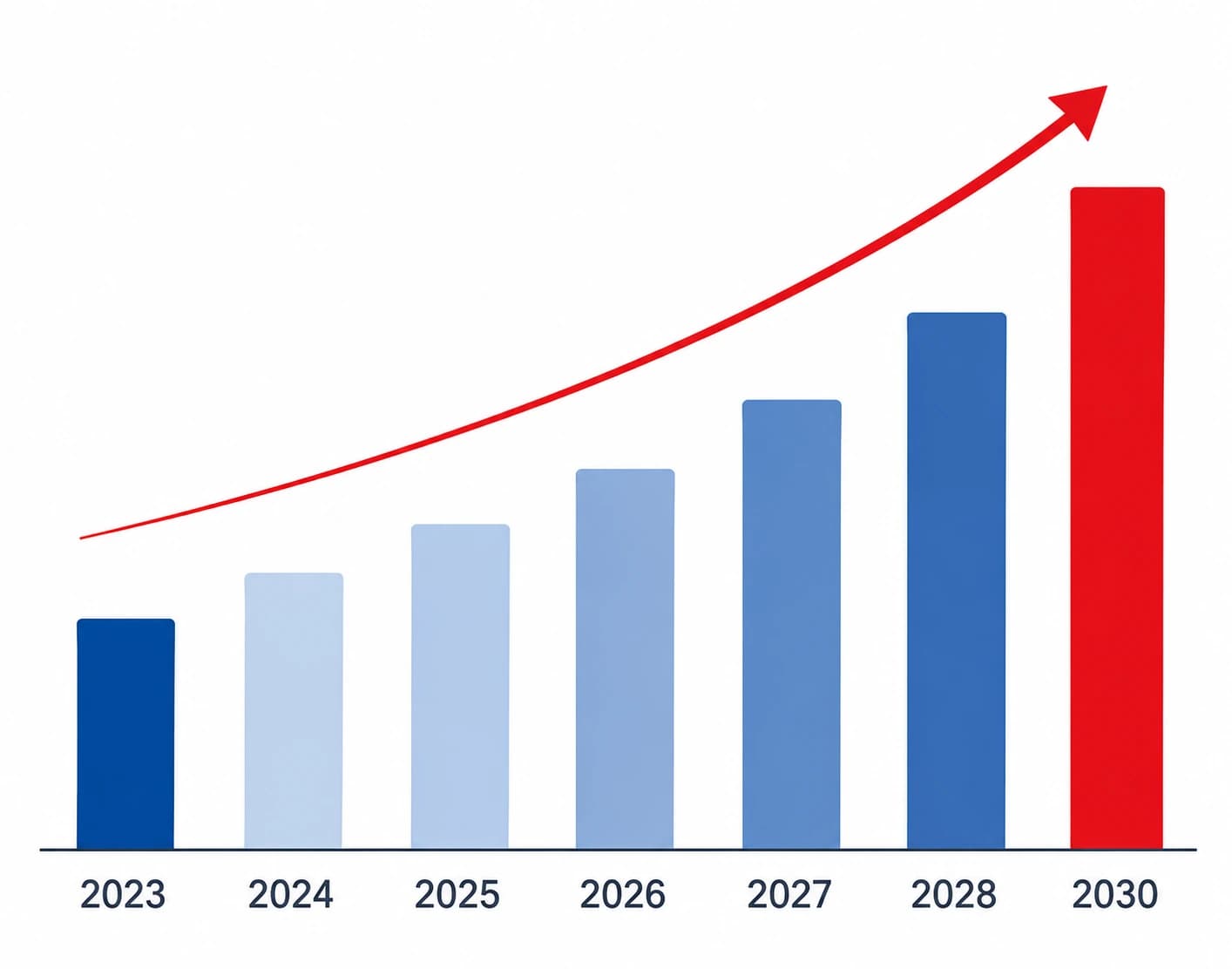
The global market for Hydraulic High-Pressure Frac Valves was estimated to be worth US$ 72.54 million in 2025 and is projected to reach US$ 104 million, growing at a CAGR of 5.3% from 2026 to 2032.
The potential shifts in the 2025 U.S. tariff framework pose substantial volatility risks to global markets. This report provides a comprehensive assessment of recent tariff adjustments and international strategic countermeasures on Hydraulic High-Pressure Frac Valves cross-border industrial footprints, capital allocation patterns, regional economic interdependencies, and supply chain reconfigurations.
In 2025, global Hydraulic High-Pressure Frac Valve production reached approximately 30.6 K Units, with an average global market price of around 2372 USD per Units.
Hydraulic High-Pressure Frac Valves are Manual Frac Valves equipped with hydraulic actuators, used to remotely open, close, or isolate flow during hydraulic fracturing operations. They are mainly installed on frac trees, frac stacks, zipper manifolds, frac manifolds, and wellhead pressure-control systems to control high-pressure fracturing fluid, proppant-laden slurry, flowback fluid, and wellbore pressure. Compared with manual frac valves, Hydraulic High-Pressure Frac Valves provide faster operation, safer remote control, lower labor exposure in high-pressure areas, and better suitability for multi-well pad fracturing, automated frac systems, and frequent valve switching.
With its core characteristics of ultra-high pressure resistance, strong erosion resistance, corrosion resistance, and high sealing reliability, the Hydraulic High-Pressure Frac Valve can adapt to the harsh conditions of high-pressure fluid impact and complex media erosion in oil and gas extraction. It effectively solves industry pain points such as insufficient pressure bearing capacity, easy wear and leakage, short service life, and poor adaptability of conventional valves, ensuring the safe and stable operation of fracturing. It is an indispensable key pressure-bearing component in unconventional oil and gas production enhancement.
Hydraulic High-Pressure Frac Valves' upstream core raw materials mainly include forgings or castings of special steel, alloy steel, and stainless steel, as well as non-metallic sealing materials such as FFKM, PTFE, and PEEK. Typical suppliers include Baowu Steel, Howco, Timken Steel, and CITIC Special Steel. Hydraulic High-Pressure Frac Valves' downstream applications are mainly in the oil and gas extraction sector, with typical customers including China National Petroleum Corporation (CNPC), Sinopec, CNOOC, ExxonMobil, Chevron, and ConocoPhillips.
Hydraulic High-Pressure Frac Valves' single-line capacity varies considerably depending on product specifications and pressure levels, automation and process levels, and the industry's gross profit margin is typically in the range of 25-35%.
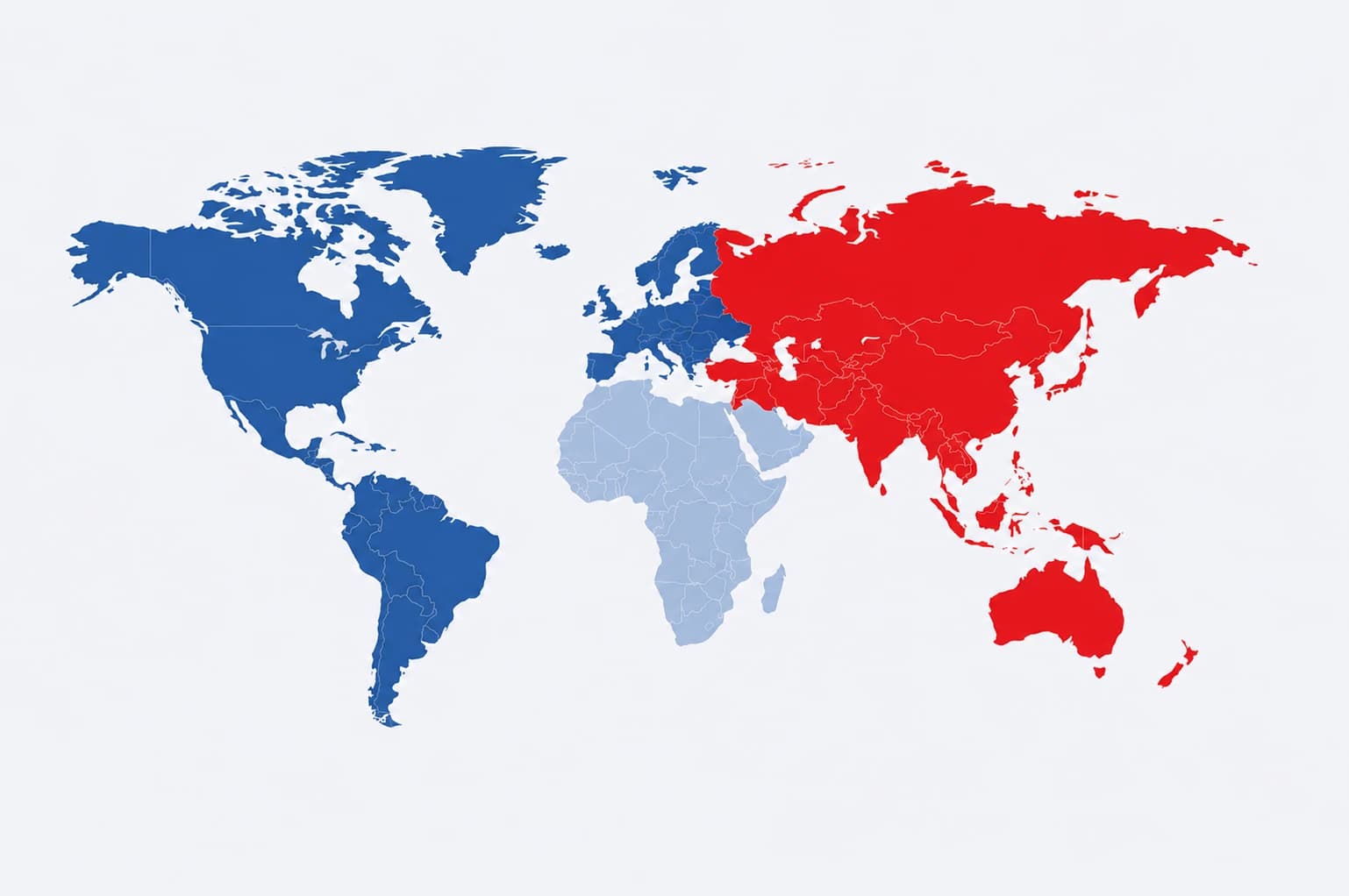
The North American market for Hydraulic High-Pressure Frac Valves was valued at US$ million in 2025 and is projected to reach US$ million by 2032, at a CAGR of % from 2026 to 2032.
The Asia-Pacific market for Hydraulic High-Pressure Frac Valves was valued at $ million in 2025 and is projected to climb to US$ million by 2032, at a CAGR of % from 2026 to 2032.
The European market for Hydraulic High-Pressure Frac Valves was valued at $ million in 2025 and is projected to total US$ million by 2032, at a CAGR of % from 2026 to 2032.
The global key companies in the Hydraulic High-Pressure Frac Valves market include SLB (former Schlumberger), AWC Frac Technology, Bestway Oilfield, Worldwide Oilfield Machine (WOM), Moto Mecánica Argentina (MMA), Cactus Wellhead, Valveworks USA, Yantai Jereh Petroleum Equipment & Technologies, Suzhou Douson Drilling & Production Equipment, Neway Oil Equipment, etc. In 2025, the five largest players accounted for approximately % of revenue.
This report provides a comprehensive view of the global market for Hydraulic High-Pressure Frac Valves, covering total sales volume, sales revenue, pricing, the market share and ranking of key companies, along with analyses by region & country, by Type, and by Application.
The Hydraulic High-Pressure Frac Valves market size, estimations, and forecasts are presented in terms of sales volume (K Units) and revenue ($ millions), with 2025 as the base year and historical and forecast data from 2021 to 2032. The report combines quantitative and qualitative analysis to help readers develop growth strategies, assess the competitive landscape, evaluate their position in the current marketplace, and make informed business decisions regarding Hydraulic High-Pressure Frac Valves.
Chapter 1: Introduces the scope of the report and the global market size (value, volume, and price). It also summarizes market dynamics and Recent Developments; identifies key drivers and restraints; outlines challenges and risks for manufacturers; reviews relevant industry policies and U.S. tariff implications.
Chapter 2: Provides a detailed analysis of the Hydraulic High-Pressure Frac Valves manufacturers' competitive landscape—including pricing, sales and revenue shares, Recent Developments plans, and mergers and acquisitions (M&A).
Chapter 3: Analyzes market segmentation by Type, presenting the size and growth potential of each segment to help readers identify blue-ocean opportunities.
Chapter 4: Analyzes market segmentation by Application, presenting the size and growth potential of each downstream segment to help readers identify blue-ocean opportunities.
Chapter 5: Presents Hydraulic High-Pressure Frac Valves sales and revenue at the regional level. It offers a quantitative assessment of market size and growth potential by region and summarizes market development, future prospects, addressable space, and country-level market size worldwide.
Chapter 6: Presents Hydraulic High-Pressure Frac Valves sales and revenue at the country level. It provides segmented data by Type and by Application for each country/region.
Chapter 7: Profiles key players, detailing the main companies' product sales, revenue, pricing, gross margin, product portfolios, Recent Developments, etc.
Chapter 8: Analyzes the industry value chain, including upstream suppliers and downstream applications/customers.
- ★ What Is The Overall Market Size And Projected Growth Rate Across Global And Regional Segments?
- ★ How Does The Market Size And Growth Outlook Vary Across Major Countries?
- ★ Which Region Or Market Sub-Segment Is Anticipated To Dominate Growth During The Forecast Period?
- ★ What Are The Primary Factors Expected To Drive Market Expansion, And What Challenges May Restrain Growth?
- ★ Which Emerging Technologies And Market Trends Are Shaping The Future Landscape?
- ★ What Are The Most Significant Opportunities Available In The Market?
- ★ Who Are The Leading Manufacturers Actively Participating In The Global Market?
- ★ Which Company Currently Holds The Largest Share Of The Market?
- ★ What Are The Potential Growth Avenues For New Entrants In The Global Market?