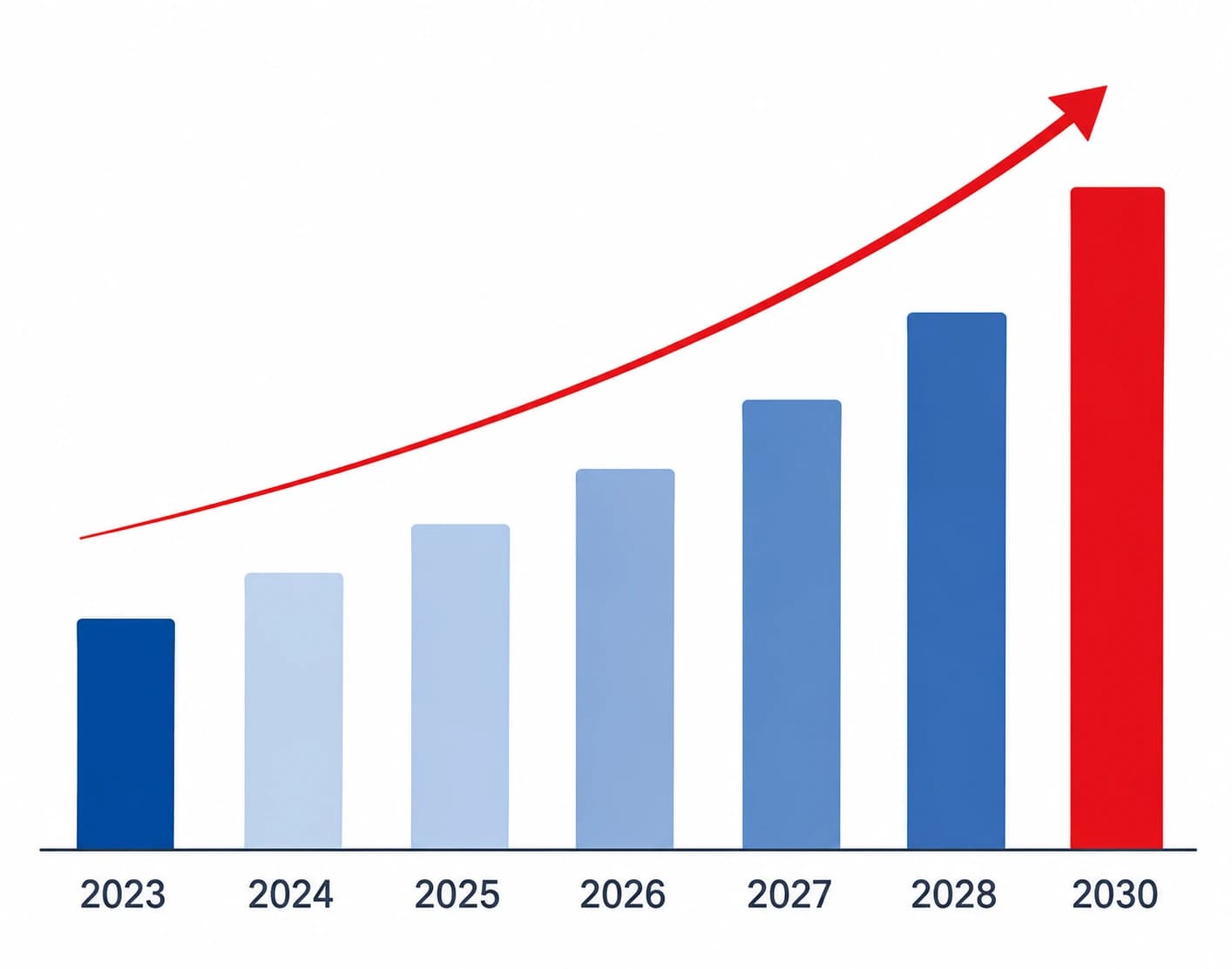
The global Automated Air Sampler System market was valued at US$ 132 million in 2024 and is anticipated to reach US$ 185 million by 2031, witnessing a CAGR of 5.0% during the forecast period 2025-2031.
Automated Air Sampler System is a device used to collect air samples for various purposes, such as environmental monitoring, research, and quality control. These systems automatically draw in air and capture particles, microorganisms, or pollutants onto collection media, enabling analysis and assessment of air quality.
Rising Demand in the Pharmaceutical Industry
The pharmaceutical industry accounts for the largest share of the Automated Air Sampler Systems market, with approximately 42% of the global market. The pharmaceutical sector requires stringent air quality standards to ensure that sterile conditions are maintained during the manufacturing of drugs and medical devices. Microbial contamination in cleanrooms and manufacturing facilities could result in product contamination, which could jeopardize the safety and efficacy of drugs. Hence, the increased focus on maintaining clean and contaminant-free environments in pharmaceutical production facilities is a significant driver of the market.
Increasing Awareness in Food & Beverage Industry
The food and beverage industry is another significant sector driving the demand for Automated Air Sampler Systems. With rising consumer demand for high-quality and safe food products, food manufacturers are increasingly using air samplers to ensure that their facilities remain free from harmful microbial contaminants. Whether it is for quality control during food production or monitoring air quality in storage and packaging areas, the need to prevent contamination is driving the adoption of Automated Air Sampler Systems in the food industry. Additionally, rising regulatory standards related to food safety across various regions are also contributing to the market's growth.
One of the primary restraints for the growth of the Automated Air Sampler Systems market is the high initial cost associated with purchasing and maintaining these devices. Especially for industries like small-scale food processing companies or research laboratories with limited budgets, the cost of acquiring advanced air sampling systems can be prohibitive. Despite the long-term benefits of ensuring air quality, the upfront investment required to acquire these systems can hinder their widespread adoption, particularly in cost-sensitive regions or industries.
Complexity of Operation and Maintenance
Although advancements in technology have made Automated Air Sampler Systems more efficient, some users may find the operation and maintenance of these systems challenging. For example, the calibration and regular maintenance of air samplers require specialized knowledge and technical expertise. Companies that lack in-house expertise may struggle with proper operation and maintenance, potentially reducing the overall effectiveness of these devices. This adds to operational costs and may discourage some companies from adopting them.
Regulatory Barriers in Some Regions
Despite global growth in the adoption of Automated Air Sampler Systems, regulatory barriers in certain regions may restrict market expansion. Some countries may have less stringent regulations regarding air quality or microbial contamination, leading to slower adoption rates. Additionally, variations in international regulations may require manufacturers to modify their products or comply with different standards in different regions, adding to costs and slowing market growth.
The Asia-Pacific region holds the largest share of the global Automated Air Sampler Systems market, accounting for approximately 34% of the global revenue. Rapid industrialization, an increasing focus on healthcare, and a growing pharmaceutical and food processing industry are the key factors driving market growth in this region. Countries like China, India, and Japan are expected to witness continued growth in the adoption of Automated Air Sampler Systems due to increasing investments in healthcare and food safety standards.
North America and Europe also represent significant markets for Automated Air Sampler Systems. North America, particularly the United States, leads the market in the pharmaceutical sector due to its advanced healthcare infrastructure and stringent regulatory standards. Similarly, Europe has stringent regulations regarding food safety and environmental monitoring, driving the demand for Automated Air Sampler Systems in this region.
The Automated Air Sampler Systems market is poised for substantial growth driven by the increasing demand for air quality monitoring across various industries, particularly pharmaceuticals, food and beverage, and healthcare. The rise in contamination control regulations, technological advancements, and the growing emphasis on hygiene standards are all contributing to this growth. However, challenges such as high initial costs, complex maintenance, and limited awareness in emerging markets remain hurdles for widespread adoption.
To succeed in the competitive market, companies need to focus on product innovation, cost reduction, and raising awareness in underserved markets. In addition, the integration of Automated Air Sampler Systems with advanced technologies like IoT and real-time data analytics will further enhance their value proposition. The growing importance of contamination control in manufacturing, research, and healthcare sectors will continue to make Automated Air Sampler Systems indispensable tools in ensuring air quality and regulatory compliance.
This report aims to provide a comprehensive presentation of the global market for Automated Air Sampler System, with both quantitative and qualitative analysis, to help readers develop business/growth strategies, assess the market competitive situation, analyze their position in the current marketplace, and make informed business decisions regarding Automated Air Sampler System.
The Automated Air Sampler System market size, estimations, and forecasts are provided in terms of sales quantity (Units) and revenue ($ millions), considering 2024 as the base year, with history and forecast data for the period from 2020 to 2031. This report segments the global Automated Air Sampler System market comprehensively. Regional market sizes, concerning products by Type, by Application, and by players, are also provided.
For a more in-depth understanding of the market, the report provides profiles of the competitive landscape, key competitors, and their respective market ranks. The report also discusses technological trends and new product developments.
The report will help the Automated Air Sampler System manufacturers, new entrants, and industry chain related companies in this market with information on the revenues, sales, and average price for the overall market and the sub-segments across the different segments, by company, by Type, by Application, and by regions.
Chapter 1: Introduces the report scope of the report, executive summary of different market segments (by region, product type, application, etc), including the market size of each market segment, future development potential, and so on. It offers a high-level view of the current state of the market and its likely evolution in the short to mid-term, and long term.
Chapter 2: key insights, key emerging trends, etc.
Chapter 3: Manufacturers competitive analysis, detailed analysis of Automated Air Sampler System manufacturers competitive landscape, price, sales and revenue market share, latest development plan, merger, and acquisition information, etc.
Chapter 4: Provides profiles of key players, introducing the basic situation of the main companies in the market in detail, including product sales, revenue, price, gross margin, product introduction, recent development, etc.
Chapter 5 & 6: Sales, revenue of Automated Air Sampler System in regional level and country level. It provides a quantitative analysis of the market size and development potential of each region and its main countries and introduces the market development, future development prospects, market space, and market size of each country in the world.
Chapter 7: Provides the analysis of various market segments by Type, covering the market size and development potential of each market segment, to help readers find the blue ocean market in different market segments.
Chapter 8: Provides the analysis of various market segments by Application, covering the market size and development potential of each market segment, to help readers find the blue ocean market in different downstream markets.
Chapter 9: Analysis of industrial chain, including the upstream and downstream of the industry.
Chapter 10: The main points and conclusions of the report.
- ★ What Is The Overall Market Size And Projected Growth Rate Across Global And Regional Segments?
- ★ How Does The Market Size And Growth Outlook Vary Across Major Countries?
- ★ Which Region Or Market Sub-Segment Is Anticipated To Dominate Growth During The Forecast Period?
- ★ What Are The Primary Factors Expected To Drive Market Expansion, And What Challenges May Restrain Growth?
- ★ Which Emerging Technologies And Market Trends Are Shaping The Future Landscape?
- ★ What Are The Most Significant Opportunities Available In The Market?
- ★ Who Are The Leading Manufacturers Actively Participating In The Global Market?
- ★ Which Company Currently Holds The Largest Share Of The Market?
- ★ What Are The Potential Growth Avenues For New Entrants In The Global Market?