A medical isotope is an isotope used in medicine. The first uses of isotopes in medicine were in radiopharmaceuticals, and this is still the most common use. However more recently, separated stable isotopes have also come into use.
In general, most isotope suppliers are not direct manufacturers because the direct manufacturers come from nuclear power plants. Isotope suppliers are generally authorized by the National Nuclear Energy Agency or signed an exclusive agreement. In addition, in the market, subsidiaries of the National Nuclear Energy Corporation are also the largest suppliers.
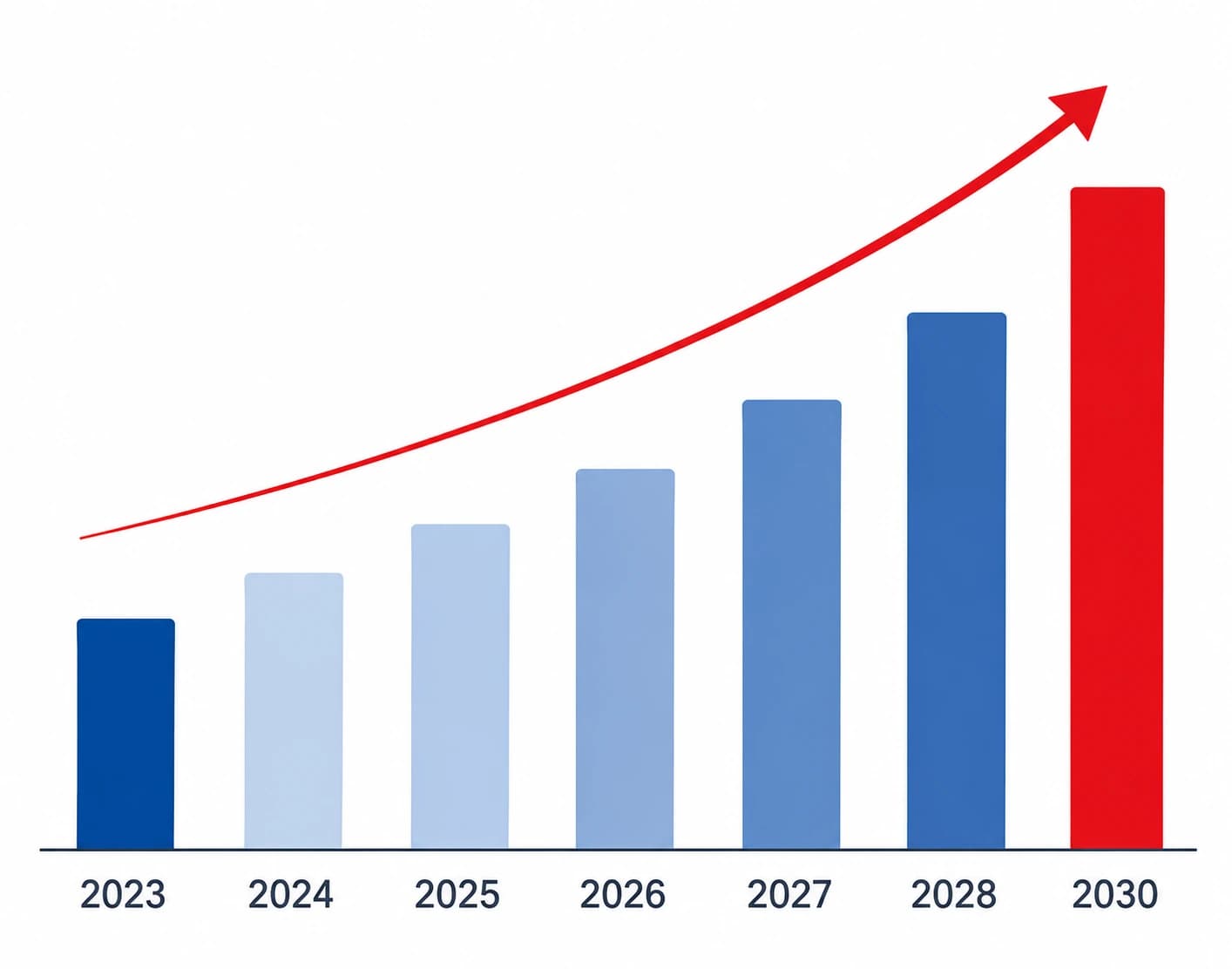
The global Medical Isotopes market was valued at US$ 809 million in 2023 and is anticipated to reach US$ 1039 million by 2030, witnessing a CAGR of 3.7% during the forecast period 2024-2030.
Many medical products today are sterilised by gamma rays from a Co-60 source, a technique which generally is much cheaper and more effective than steam heat sterilisation. The disposable syringe is an example of a product sterilised by gamma rays. Because it is a "cold" process radiation can be used to sterilise a range of heat-sensitive items such as powders, ointments, and solutions, as well as biological preparations such as bone, nerve, and skin to be used in tissue grafts. Large-scale irradiation facilities for gamma sterilisation are installed in many countries. Smaller gamma irradiators, often utilising Cs-137, having a longer half-life, are used for treating blood for transfusions and for other medical applications. Sterilisation by radiation has several benefits. It is safer and cheaper because it can be done after the item is packaged. The sterile shelf-life of the item is then practically indefinite provided the seal is not broken. Apart from syringes, medical products sterilised by radiation include cotton wool, burn dressings, surgical gloves, heart valves, bandages, plastic, and rubber sheets and surgical instruments. Within the United States and other parts of the developed world, the trend has been to reduce the use of Co-60. And many U.S. hospitals have shifted to generating highly energetic beams with accelerator technology for such therapy. But much of the developing world still employs Co-60 mainly because of the capital costs associated with switching to alternative non-radioactive source technologies.
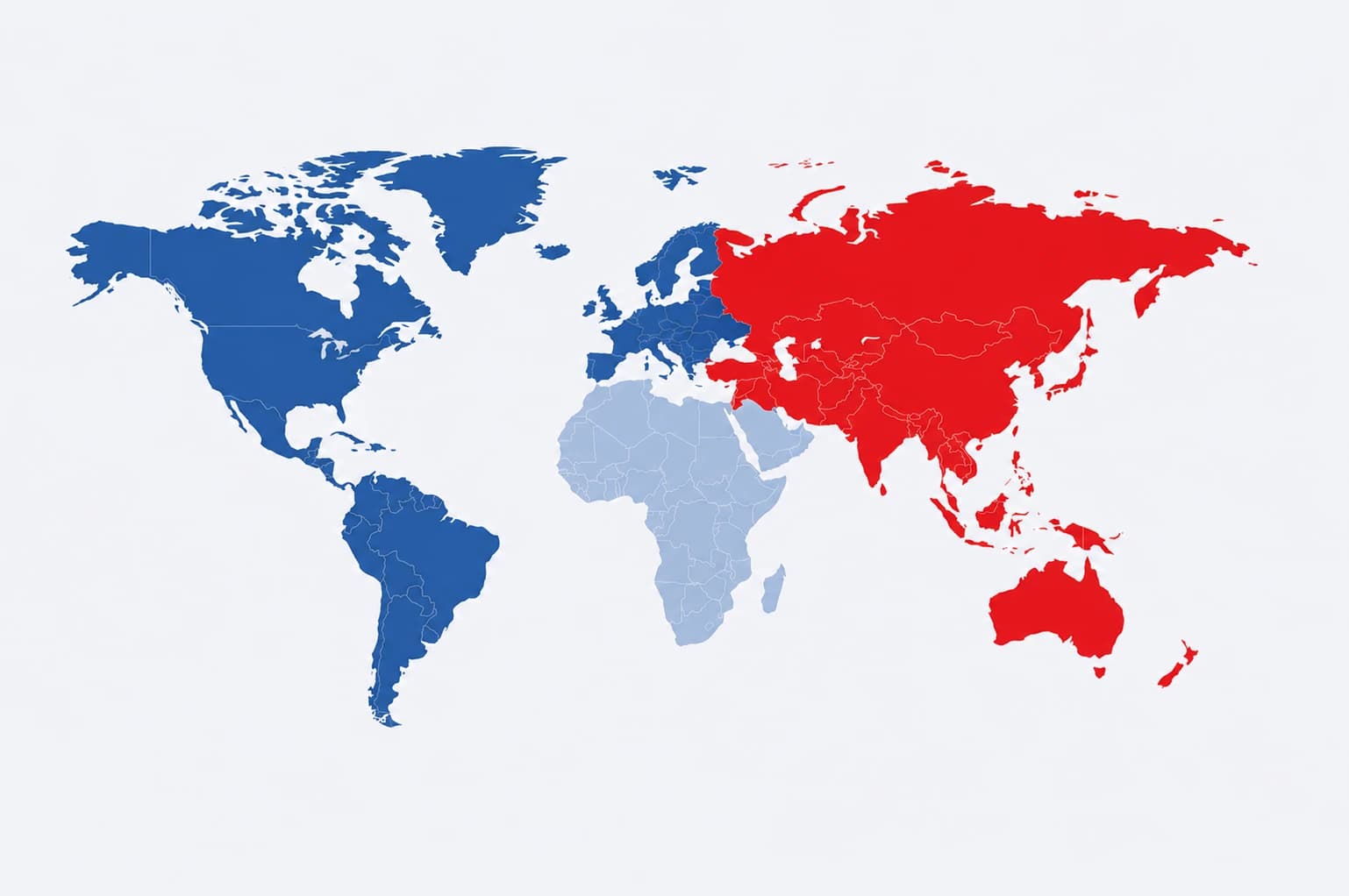
North America is the largest consumer by regions. Europe is the second largest with 26% market share. Asia Pacific s the following consumption region with 15% consumption market share. While the U.S. produces a significant number of the isotopes used by researchers, industry and the medical community, the U.S. is dependent upon foreign sources for many. Historically the U.S. provided almost all of the isotopes that were required for domestic consumption or, in special cases, acquired them from long-time allies. But beginning in the 1990’s other governments began to view the isotope industry as a high tech growth industry, and subsidized the production and sale of isotopes, targeting U.S. companies. The result is that U.S. industry has been switching its buying from the U.S. and DOE to foreign sources of supply.
This report aims to provide a comprehensive presentation of the global market for Medical Isotopes, with both quantitative and qualitative analysis, to help readers develop business/growth strategies, assess the market competitive situation, analyze their position in the current marketplace, and make informed business decisions regarding Medical Isotopes.
The Medical Isotopes market size, estimations, and forecasts are provided in terms of revenue ($ millions), considering 2023 as the base year, with history and forecast data for the period from 2019 to 2030. This report segments the global Medical Isotopes market comprehensively. Regional market sizes, concerning products by Type, by Application, and by players, are also provided.
For a more in-depth understanding of the market, the report provides profiles of the competitive landscape, key competitors, and their respective market ranks. The report also discusses technological trends and new product developments.
The report will help the Medical Isotopes manufacturers, new entrants, and industry chain related companies in this market with information on the revenues for the overall market and the sub-segments across the different segments, by company, by Type, by Application, and by regions.
Chapter 1: Introduces the report scope of the report, executive summary of different market segments (by region, product type, application, etc), including the market size of each market segment, future development potential, and so on. It offers a high-level view of the current state of the market and its likely evolution in the short to mid-term, and long term.
Chapter 2: key insights, key emerging trends, etc.
Chapter 3: Manufacturers competitive analysis, detailed analysis of Medical Isotopes manufacturers competitive landscape, revenue market share, latest development plan, merger, and acquisition information, etc.
Chapter 4: Provides profiles of key players, introducing the basic situation of the main companies in the market in detail, including product revenue, gross margin, product introduction, recent development, etc.
Chapter 5 & 6: Revenue of Medical Isotopes in regional level and country level. It provides a quantitative analysis of the market size and development potential of each region and its main countries and introduces the market development, future development prospects, market space, and market size of each country in the world.
Chapter 7: Provides the analysis of various market segments by Type, covering the market size and development potential of each market segment, to help readers find the blue ocean market in different market segments.
Chapter 8: Provides the analysis of various market segments by Application, covering the market size and development potential of each market segment, to help readers find the blue ocean market in different downstream markets.
Chapter 9: Analysis of industrial chain, including the upstream and downstream of the industry.
Chapter 10: The main points and conclusions of the report.
- ★ What Is The Overall Market Size And Projected Growth Rate Across Global And Regional Segments?
- ★ How Does The Market Size And Growth Outlook Vary Across Major Countries?
- ★ Which Region Or Market Sub-Segment Is Anticipated To Dominate Growth During The Forecast Period?
- ★ What Are The Primary Factors Expected To Drive Market Expansion, And What Challenges May Restrain Growth?
- ★ Which Emerging Technologies And Market Trends Are Shaping The Future Landscape?
- ★ What Are The Most Significant Opportunities Available In The Market?
- ★ Who Are The Leading Manufacturers Actively Participating In The Global Market?
- ★ Which Company Currently Holds The Largest Share Of The Market?
- ★ What Are The Potential Growth Avenues For New Entrants In The Global Market?