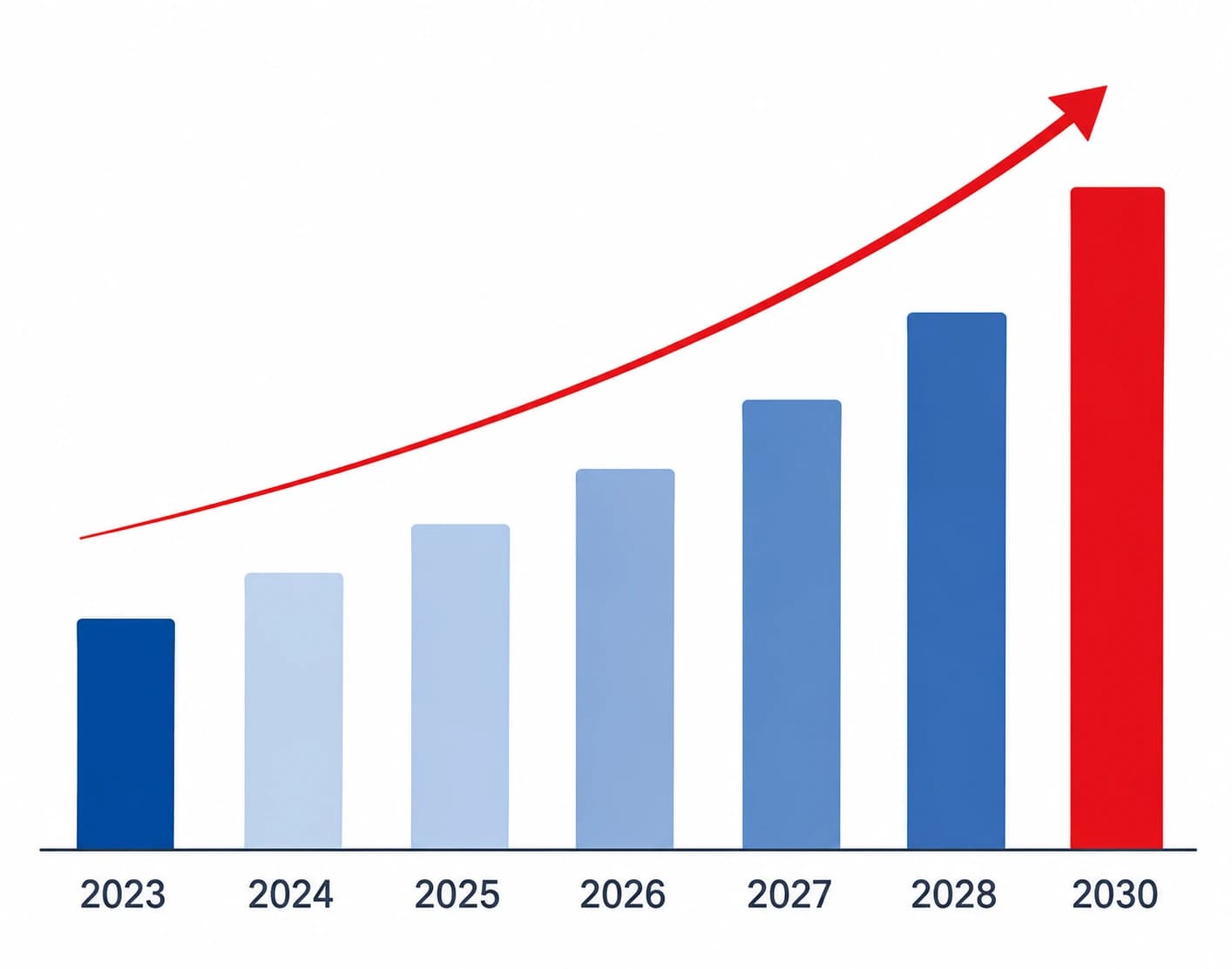
The global market for Chenille Yarn Machine was estimated to be worth US$ 22.37 million in 2025 and is projected to reach US$ 30.79 million, growing at a CAGR of 4.6% from 2026 to 2032.
The potential shifts in the 2025 U.S. tariff framework pose substantial volatility risks to global markets. This report provides a comprehensive assessment of recent tariff adjustments and international strategic countermeasures on Chenille Yarn Machine cross-border industrial footprints, capital allocation patterns, regional economic interdependencies, and supply chain reconfigurations.
Chenille Yarn Machine is a specialized fancy-yarn spinning machine used to produce chenille yarn through core-yarn feeding, pile-yarn wrapping, pile cutting, twisting, yarn formation, and winding. Its key components typically include the machine frame, rotary heads, spacers or gauges, blade or rotary cutting systems, rollers, spindles, winding units, motors, servo drives, PLC control systems, inverters, sensors, bearings, and electrical control cabinets. The upstream supply chain mainly consists of steel structures and castings, precision-machined mechanical parts, industrial cutting tools, transmission components, motors, and industrial automation components. Its major downstream customers include chenille yarn mills, fancy yarn manufacturers, home-textile yarn suppliers, furnishing-fabric yarn producers, and selected yarn suppliers serving apparel and decorative textile applications. The global nominal production capacity of chenille yarn machines in 2025 is estimated at about 290 units, with actual sales of approximately 233 units, an average ex-factory price of about USD 96,000 per unit, and an industry gross margin of around 27%–35%. Market demand is mainly supported by replacement of older machines, upgrading toward electronic control and servo-driven systems, and growing demand for finer and more diversified chenille yarns, while the technology route continues to shift toward higher speed, digitalization, and energy-efficient manufacturing.
The chenille yarn machine market is currently in a stage of structural upgrading within a mature niche of textile machinery. Demand is driven less by large-scale greenfield capacity expansion and more by replacement of older equipment, improvement of yarn quality, and the need for machines with better operating stability and lower energy consumption. The competitive landscape has become relatively clear. Italian suppliers continue to hold advantages in premium models, sophisticated fancy-yarn technologies, and long-term engineering know-how. Turkish manufacturers benefit from their close connection with local and surrounding textile markets, while Chinese producers are expanding their presence in mid-range and selected higher-end segments through cost efficiency, faster delivery, improved configurations, and stronger export activity. Overall, the industry shows a layered structure in which established premium brands remain influential, regional specialists stay active, and Chinese manufacturers continue to narrow the technology gap.
The main direction of future development will be electronic control, servo-driven architecture, energy-saving design, and digitalized process management. Leading manufacturers have already introduced fully electronic, multi-motor, centrally controlled, and energy-efficient models to improve yarn uniformity, reduce maintenance intensity, and enhance process flexibility. At the same time, downstream customers are demanding finer yarn counts, slub effects, diversified chenille structures, and better batch consistency, which encourages machine builders to improve precision and controllability. Although chenille yarn machines remain a narrowly defined equipment category, their technology evolution is closely aligned with the broader textile machinery trend toward automation, digitalization, and sustainable manufacturing.
The key growth drivers come from three areas. First, furnishing fabrics, upholstery materials, home textile products, and apparel accessories continue to require yarns with plush texture, decorative appearance, and differentiated tactile effects, supporting ongoing equipment demand. Second, traditional yarn mills increasingly need to upgrade machinery in order to improve yield, production efficiency, and energy performance, which accelerates the replacement of older electromechanical systems with electronically controlled platforms. Third, textile capacity in Asia and the Middle East continues to modernize, creating demand for chenille machines that combine workable pricing with process adaptability. Turkey, China, India, and several emerging textile regions remain important sources of replacement and incremental demand. Nevertheless, investment cycles in home furnishings, apparel, and broader consumer textiles still have a direct influence on machine order momentum.
The industry also faces several constraints. Chenille yarn machines serve a specialized customer base, so the overall market remains limited in size and is sensitive to fluctuations in textile capital expenditure. Chenille yarn offers distinctive texture and decorative value, but in some applications it still competes with other fancy yarns, plush-textured fabrics, and alternative decorative textile solutions. In addition, premium European models carry higher prices, while Chinese and Turkish suppliers are intensifying competition in middle and lower price segments, leading to sharper differentiation across equipment tiers. In the next stage of competition, successful manufacturers will need to build balanced strengths in product reliability, energy efficiency, yarn adaptability, after-sales responsiveness, and international service capability, rather than relying mainly on price advantages.
This report provides a comprehensive view of the global market for Chenille Yarn Machine, covering total sales volume, sales revenue, pricing, the market share and ranking of key companies, along with analyses by region & country, by Type, and by Application.
The Chenille Yarn Machine market size, estimations, and forecasts are presented in terms of sales volume (Units) and revenue ($ millions), with 2025 as the base year and historical and forecast data from 2021 to 2032. The report combines quantitative and qualitative analysis to help readers develop growth strategies, assess the competitive landscape, evaluate their position in the current marketplace, and make informed business decisions regarding Chenille Yarn Machine.
Chapter 1: Introduces the scope of the report and the global market size (value, volume, and price). It also summarizes market dynamics and Recent Developments; identifies key drivers and restraints; outlines challenges and risks for manufacturers; reviews relevant industry policies and U.S. tariff implications.
Chapter 2: Provides a detailed analysis of the Chenille Yarn Machine manufacturers' competitive landscape—including pricing, sales and revenue shares, Recent Developments plans, and mergers and acquisitions (M&A).
Chapter 3: Analyzes market segmentation by Type, presenting the size and growth potential of each segment to help readers identify blue-ocean opportunities.
Chapter 4: Analyzes market segmentation by Application, presenting the size and growth potential of each downstream segment to help readers identify blue-ocean opportunities.
Chapter 5: Presents Chenille Yarn Machine sales and revenue at the regional level. It offers a quantitative assessment of market size and growth potential by region and summarizes market development, future prospects, addressable space, and country-level market size worldwide.
Chapter 6: Presents Chenille Yarn Machine sales and revenue at the country level. It provides segmented data by Type and by Application for each country/region.
Chapter 7: Profiles key players, detailing the main companies' product sales, revenue, pricing, gross margin, product portfolios, Recent Developments, etc.
Chapter 8: Analyzes the industry value chain, including upstream suppliers and downstream applications/customers.
- ★ What Is The Overall Market Size And Projected Growth Rate Across Global And Regional Segments?
- ★ How Does The Market Size And Growth Outlook Vary Across Major Countries?
- ★ Which Region Or Market Sub-Segment Is Anticipated To Dominate Growth During The Forecast Period?
- ★ What Are The Primary Factors Expected To Drive Market Expansion, And What Challenges May Restrain Growth?
- ★ Which Emerging Technologies And Market Trends Are Shaping The Future Landscape?
- ★ What Are The Most Significant Opportunities Available In The Market?
- ★ Who Are The Leading Manufacturers Actively Participating In The Global Market?
- ★ Which Company Currently Holds The Largest Share Of The Market?
- ★ What Are The Potential Growth Avenues For New Entrants In The Global Market?