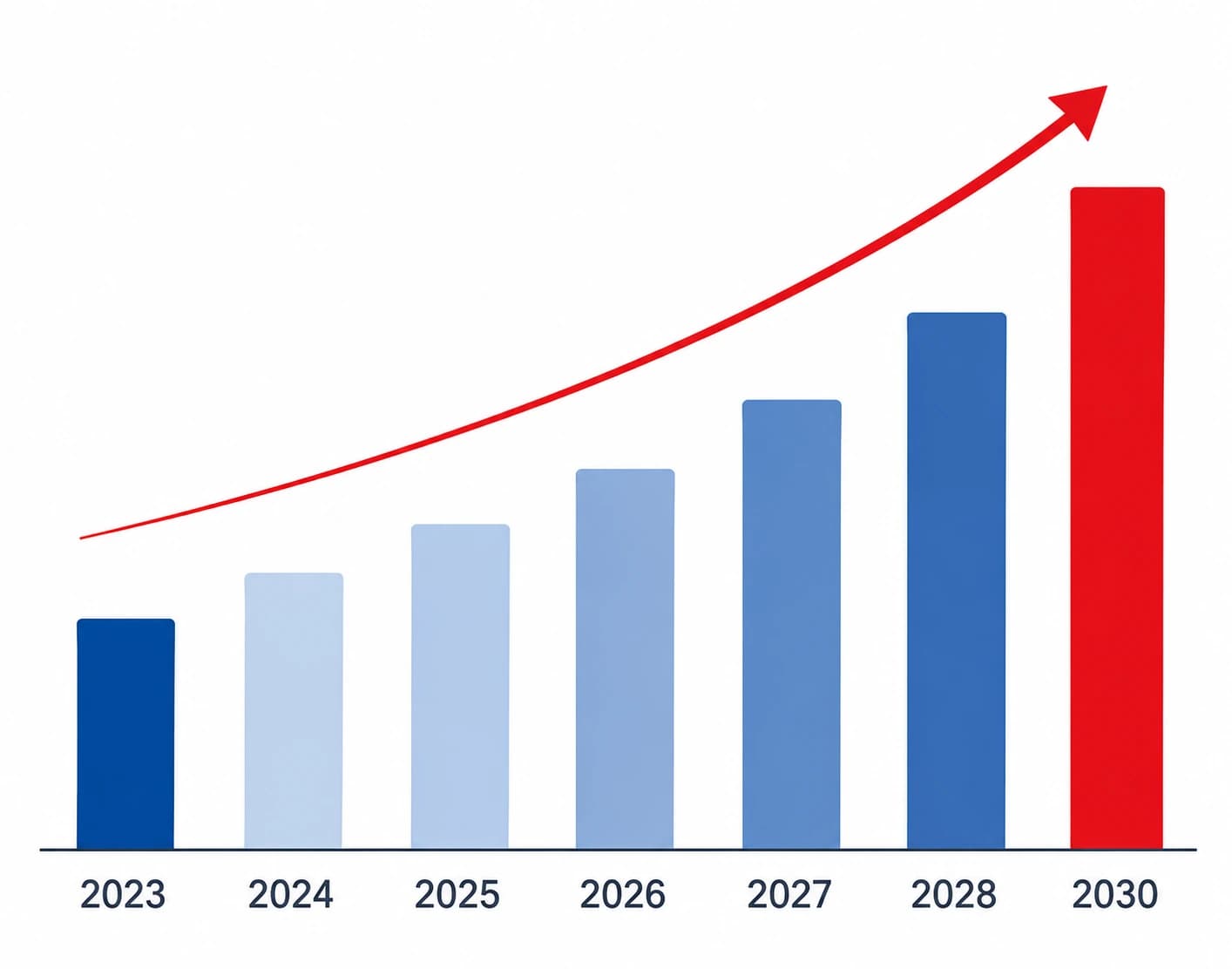
The global Vinpocetine Drug market was valued at US$ 151 million in 2025 and is anticipated to reach US$ 213 million by 2032, witnessing a CAGR of 5.1% during the forecast period 2026-2032.
Vinpocetine drug refers to pharmaceutical preparations in which vinpocetine is the active ingredient, commonly available as oral tablets/capsules and, in some markets, injectable formulations used in hospital settings. The product is intended to address symptoms and functional impairment associated with reduced cerebral perfusion and microcirculatory dysfunction—such as dizziness, headache, tinnitus, and cognitive complaints—and is also used in certain regions as an adjunct in post-ischemic cerebrovascular recovery or vascular cognitive impairment pathways. Rather than replacing etiological treatment, vinpocetine products are positioned to support neurological function by improving microvascular circulation and helping tissues tolerate ischemic/hypoxic stress, thereby facilitating functional rehabilitation and quality-of-life improvements. Historically, vinpocetine was developed from a semi-synthetic derivative route related to vinca alkaloid chemistry and was first introduced as a prescription medicine in parts of Europe, later expanding internationally with established oral regimens and selected parenteral options; due to differences in regulatory frameworks, clinical practice, and reimbursement, its market positioning can vary from predominantly prescription use to limited extension into OTC or supplement channels in some jurisdictions. Upstream in the value chain, key inputs include natural-origin or synthetic starting materials (e.g., vinca-related intermediates or alternative chemical precursors), solvents and reagents/catalysts, pharmaceutical excipients, and primary packaging materials. Manufacturing spans API synthesis and purification, formulation steps such as blending/granulation and tableting for oral dosage forms or aseptic compounding, sterilizing filtration, filling, and (where applicable) lyophilization for injectables, supported by QC consumables such as analytical reagents and reference standards. “Component/consumable” suppliers mainly relate to sterile production—filtration modules, single-use tubing sets, filling-line consumables, cleanroom infrastructure, and in-process sensors/controls—collectively ensuring batch consistency, sterility assurance, and long-term stability.In 2025, the global production capacity of vinpocetine drugs is estimated at 45 million packs, with sales volume reaching 36.82 million packs. The average selling price is approximately USD 4.1 per unit, and corporate gross margins generally range between 30% and 40%.
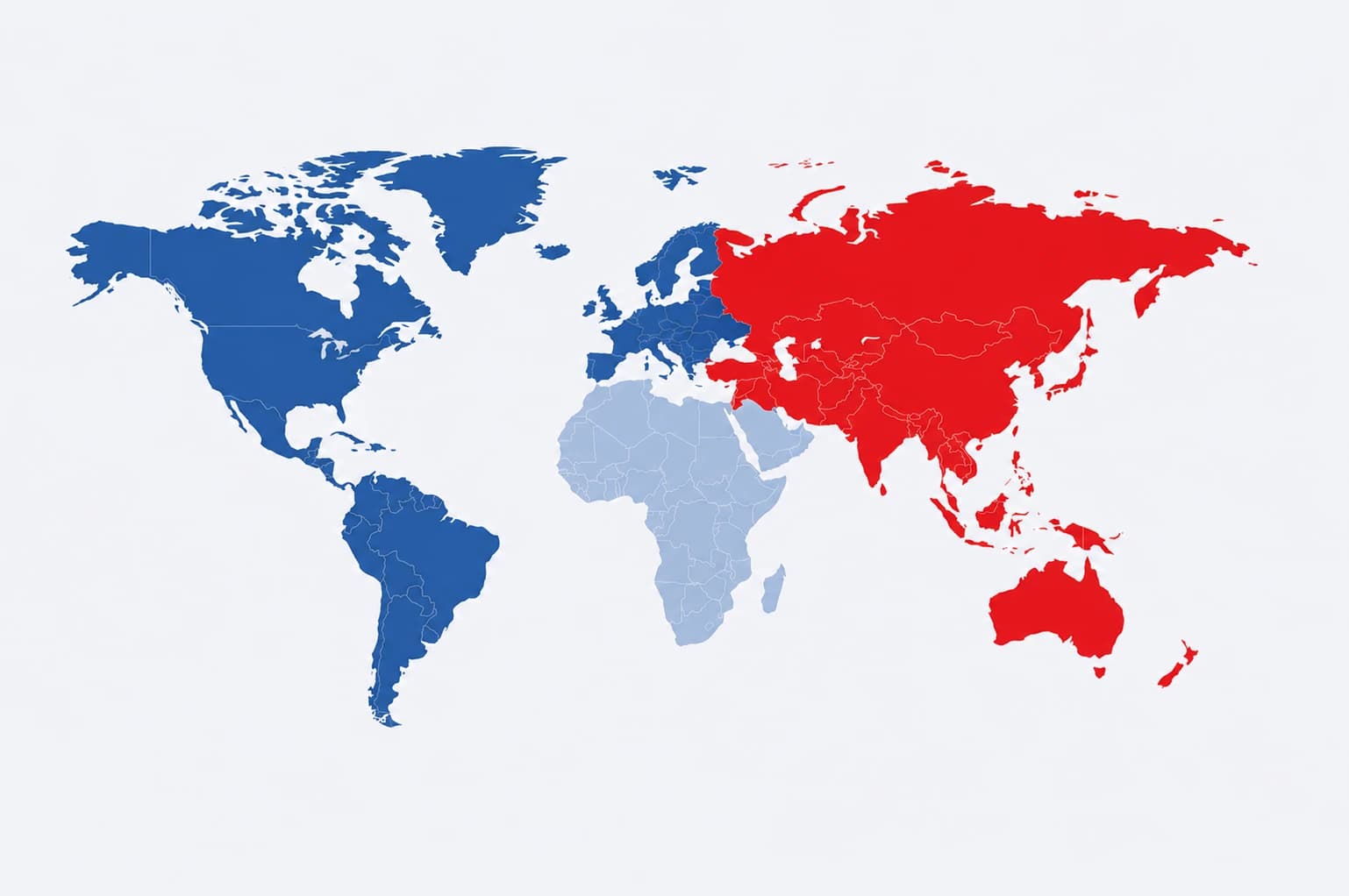
The current vinpocetine drug market is characterized by divergent clinical adoption patterns and pronounced regional differences in use. In prescription-centric jurisdictions, demand is shaped by evidence expectations, guideline alignment, and pharmacovigilance, with hospital procurement and prescribing constrained by formulary governance, reimbursement rules, and clinical consensus. In other regions, where “brain health,” “cognitive support,” and microcirculatory improvement remain salient consumer and outpatient themes, vinpocetine-related products can retain visibility beyond hospitals; however, compliance boundaries around claims, labeling, and permissible indications are more sensitive, pushing companies toward more conservative market education and channel strategies. Competitive dynamics also differ: mature markets tend to reward stable, compliant supply under established prescribing norms, while many emerging markets are driven by local generics and multi-dosage coverage, competing through supply assurance, operational efficiency, and distribution reach. Across markets, quality consistency—especially impurity control, batch-to-batch reproducibility, and robust quality systems—has become a decisive factor for long-term contracts and institutional trust, requiring sustained investment in validation, QA governance, and safety monitoring.
Looking ahead, growth will increasingly depend on stronger evidence, sharper scenario focus, and compliance-led repositioning. On the clinical side, assessment of adjunct neurovascular therapies is moving toward stricter endpoints and greater reliance on real-world evidence; companies that articulate a clearer value proposition for defined patient segments and care pathways—such as functional recovery in rehabilitation settings, targeted symptom relief, or integration with baseline therapies—are more likely to sustain hospital utilization. In parallel, formulation and “use-experience” improvements may create structural opportunities, including better adherence design, enhanced quality uniformity, and presentations that fit hospital workflows and dispensing practices. For outpatient channels, tightening regulatory scrutiny is likely to standardize messaging, population definitions, and risk communication, shifting the market from broad, generalized cognition narratives toward compliant health-management communication. This will elevate the importance of professional education, claim review governance, and end-to-end traceability to reduce volatility from policy changes across jurisdictions.
Key tailwinds and headwinds coexist and frequently offset each other. Tailwinds include growing attention to cerebrovascular health and cognitive management in aging populations, pragmatic demand for symptom improvement and rehabilitation support—especially in primary care—and, in certain regions, a continued emphasis on accessibility to established legacy therapies. Supply-side maturity in API production and sterile manufacturing can also improve availability and operational efficiency. Headwinds concentrate on regulatory uncertainty driven by inconsistent product classification across countries, limitations in evidence strength and guideline endorsement levels, and heightened requirements for adverse event surveillance and drug-interaction risk management. In addition, procurement consolidation, reimbursement tightening, and stricter hospital prescribing controls can reduce pricing and channel flexibility, forcing competition to shift toward quality consistency, supply reliability, and compliant market access. Overall, winning strategies are increasingly defined by evidence and compliance capability, robust quality systems and supply assurance, and disciplined, scenario-specific commercialization rather than broad distribution or generalized claims.
This report aims to provide a comprehensive presentation of the global market for Vinpocetine Drug, with both quantitative and qualitative analysis, to help readers develop business/growth strategies, assess the market competitive situation, analyze their position in the current marketplace, and make informed business decisions regarding Vinpocetine Drug.
The Vinpocetine Drug market size, estimations, and forecasts are provided in terms of sales quantity (K Units) and revenue ($ millions), considering 2025 as the base year, with history and forecast data for the period from 2021 to 2032. This report segments the global Vinpocetine Drug market comprehensively. Regional market sizes, concerning products by Type, by Application, and by players, are also provided.
For a more in-depth understanding of the market, the report provides profiles of the competitive landscape, key competitors, and their respective market ranks. The report also discusses technological trends and new product developments.
The report will help the Vinpocetine Drug manufacturers, new entrants, and industry chain related companies in this market with information on the revenues, sales, and average price for the overall market and the sub-segments across the different segments, by company, by Type, by Application, and by regions.
Chapter 1: Introduces the report scope of the report, executive summary of different market segments (by region, product type, application, etc), including the market size of each market segment, future development potential, and so on. It offers a high-level view of the current state of the market and its likely evolution in the short to mid-term, and long term.
Chapter 2: key insights, key emerging trends, etc.
Chapter 3: Manufacturers competitive analysis, detailed analysis of Vinpocetine Drug manufacturers competitive landscape, price, sales and revenue market share, latest development plan, merger, and acquisition information, etc.
Chapter 4: Provides profiles of key players, introducing the basic situation of the main companies in the market in detail, including product sales, revenue, price, gross margin, product introduction, recent development, etc.
Chapter 5 & 6: Sales, revenue of Vinpocetine Drug in regional level and country level. It provides a quantitative analysis of the market size and development potential of each region and its main countries and introduces the market development, future development prospects, market space, and market size of each country in the world.
Chapter 7: Provides the analysis of various market segments by Type, covering the market size and development potential of each market segment, to help readers find the blue ocean market in different market segments.
Chapter 8: Provides the analysis of various market segments by Application, covering the market size and development potential of each market segment, to help readers find the blue ocean market in different downstream markets.
Chapter 9: Analysis of industrial chain, including the upstream and downstream of the industry.
Chapter 10: The main points and conclusions of the report.
- ★ What Is The Overall Market Size And Projected Growth Rate Across Global And Regional Segments?
- ★ How Does The Market Size And Growth Outlook Vary Across Major Countries?
- ★ Which Region Or Market Sub-Segment Is Anticipated To Dominate Growth During The Forecast Period?
- ★ What Are The Primary Factors Expected To Drive Market Expansion, And What Challenges May Restrain Growth?
- ★ Which Emerging Technologies And Market Trends Are Shaping The Future Landscape?
- ★ What Are The Most Significant Opportunities Available In The Market?
- ★ Who Are The Leading Manufacturers Actively Participating In The Global Market?
- ★ Which Company Currently Holds The Largest Share Of The Market?
- ★ What Are The Potential Growth Avenues For New Entrants In The Global Market?