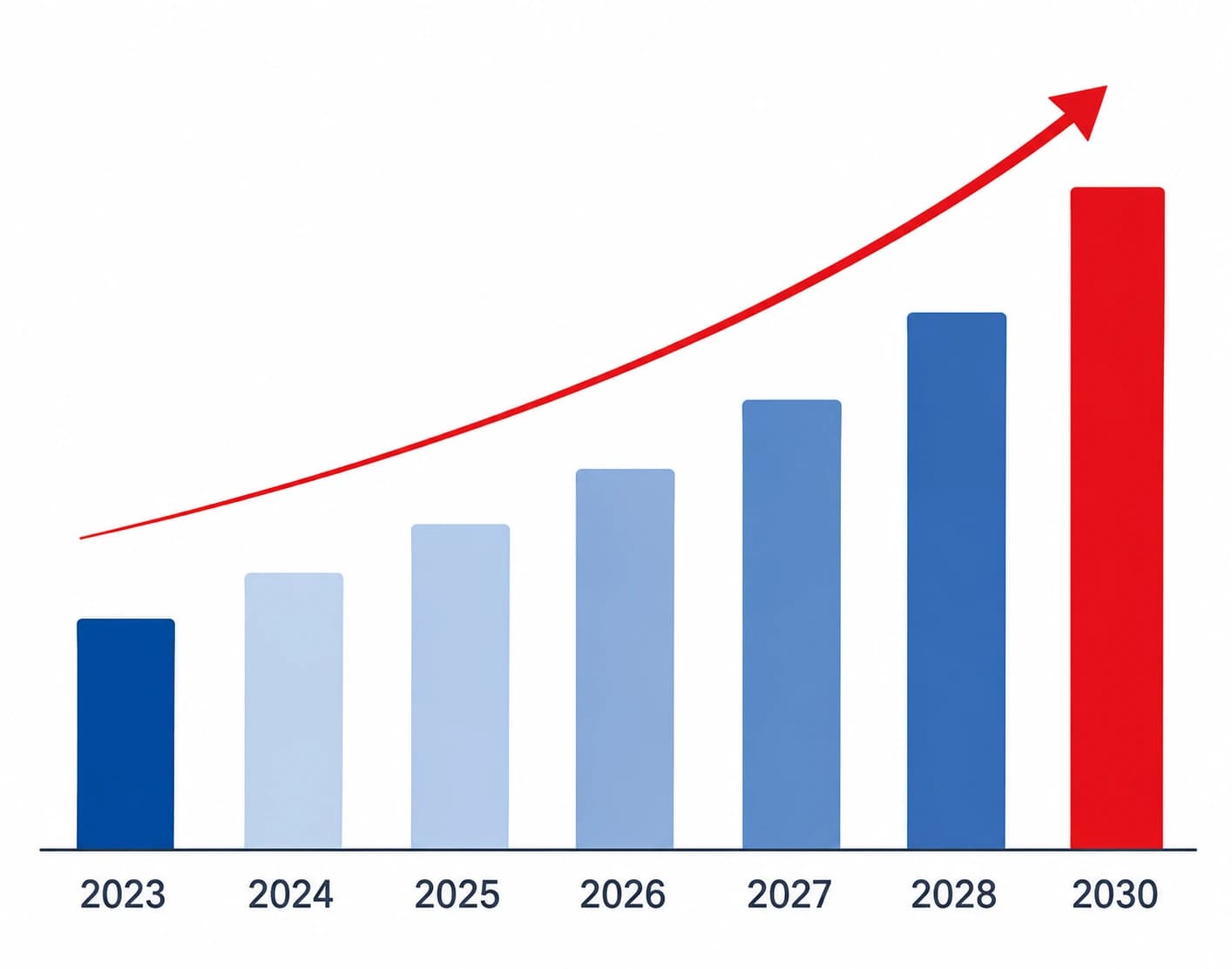
The global Language Learning Application market was valued at US$ 3355 million in 2025 and is anticipated to reach US$ 9131 million by 2032, witnessing a CAGR of 15.6% during the forecast period 2026-2032.
A language learning application is a digital software tool designed to help users acquire one or more foreign languages through mobile devices or computer platforms in a structured and convenient manner. These applications typically offer comprehensive training across core language skills—listening, speaking, reading, and writing—through features such as vocabulary drills, grammar explanations, pronunciation correction, speech recognition, interactive dialogues, and progress assessments. Advanced language learning apps often incorporate artificial intelligence, adaptive learning algorithms, gamification, and personalized content recommendations to enhance user engagement and cater to individual learning needs and paces. Widely used in personal self-study, classroom support, and corporate language training, language learning applications reflect the modern trends of digitalization, flexibility, and personalization in language education.
The language learning application market is primarily driven by accelerating globalization, increasing demand for multilingual proficiency, the widespread adoption of online education, and the rapid advancement of mobile internet technologies. As international communication, global trade, and overseas education continue to expand, both individuals and organizations are seeking flexible and accessible tools for language acquisition—making mobile language learning apps an increasingly popular solution. The growing interest in widely spoken languages such as English, Mandarin Chinese, and Spanish is also contributing to a larger and more diverse user base.
The widespread availability of smartphones, tablets, and wireless connectivity has enabled users to engage in language learning anytime and anywhere, supporting the rise of microlearning and on-the-go education. The shift toward digital learning, further accelerated by the COVID-19 pandemic and the normalization of remote education, has made users more receptive to app-based learning methods. In addition, the integration of technologies like artificial intelligence, speech recognition, and personalized content delivery has enhanced user engagement and improved learning outcomes. Finally, the growing adoption of hybrid learning models by educational institutions and corporations, along with continued investment from the capital market in online language education platforms, provides strong momentum for sustained market growth.
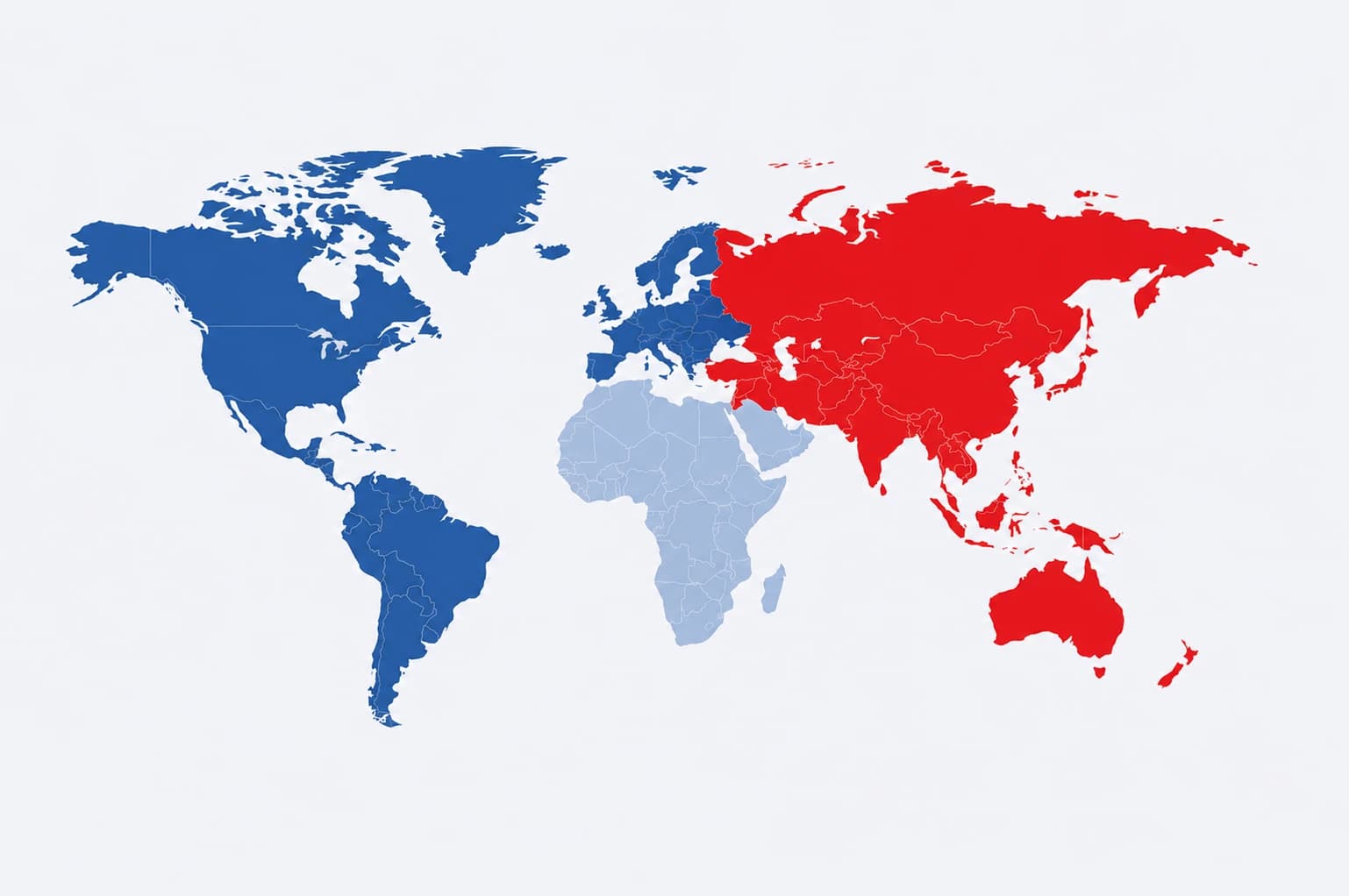
China is the largest countries of Language Learning Application in the world in the past few years and it will keep increasing in the next few years. China market took up about 30% of the global market in 2024, while Europe was about 25%, and North America is followed with the share about 16%.
The Language Learning Application market is relatively fragmented, though there are several big players in the world. The key players are like Duolingo, Babbel, Rosetta Stone, Memrise, Busuu, LinguaLeo, Koolearn (NEW Oriental), Edmodo (Netdragon), Wall Street English, Open English and other. Top 5 took up about 29% of the global market in 2024. And their annual growth rates are unbalanced.
This report aims to provide a comprehensive presentation of the global market for Language Learning Application, with both quantitative and qualitative analysis, to help readers develop business/growth strategies, assess the market competitive situation, analyze their position in the current marketplace, and make informed business decisions regarding Language Learning Application.
The Language Learning Application market size, estimations, and forecasts are provided in terms of revenue ($ millions), considering 2025 as the base year, with history and forecast data for the period from 2021 to 2032. This report segments the global Language Learning Application market comprehensively. Regional market sizes, concerning products by Language, by Users, and by players, are also provided.
For a more in-depth understanding of the market, the report provides profiles of the competitive landscape, key competitors, and their respective market ranks. The report also discusses technological trends and new product developments.
The report will help the Language Learning Application manufacturers, new entrants, and industry chain related companies in this market with information on the revenues for the overall market and the sub-segments across the different segments, by company, by Language, by Users, and by regions.
Chapter 1: Introduces the report scope of the report, executive summary of different market segments (by region, product type, application, etc), including the market size of each market segment, future development potential, and so on. It offers a high-level view of the current state of the market and its likely evolution in the short to mid-term, and long term.
Chapter 2: key insights, key emerging trends, etc.
Chapter 3: Manufacturers competitive analysis, detailed analysis of Language Learning Application manufacturers competitive landscape, revenue market share, latest development plan, merger, and acquisition information, etc.
Chapter 4: Provides profiles of key players, introducing the basic situation of the main companies in the market in detail, including product revenue, gross margin, product introduction, recent development, etc.
Chapter 5 & 6: Revenue of Language Learning Application in regional level and country level. It provides a quantitative analysis of the market size and development potential of each region and its main countries and introduces the market development, future development prospects, market space, and market size of each country in the world.
Chapter 7: Provides the analysis of various market segments by Language, covering the market size and development potential of each market segment, to help readers find the blue ocean market in different market segments.
Chapter 8: Provides the analysis of various market segments by Users, covering the market size and development potential of each market segment, to help readers find the blue ocean market in different downstream markets.
Chapter 9: Analysis of industrial chain, including the upstream and downstream of the industry.
Chapter 10: The main points and conclusions of the report.
- ★ What Is The Overall Market Size And Projected Growth Rate Across Global And Regional Segments?
- ★ How Does The Market Size And Growth Outlook Vary Across Major Countries?
- ★ Which Region Or Market Sub-Segment Is Anticipated To Dominate Growth During The Forecast Period?
- ★ What Are The Primary Factors Expected To Drive Market Expansion, And What Challenges May Restrain Growth?
- ★ Which Emerging Technologies And Market Trends Are Shaping The Future Landscape?
- ★ What Are The Most Significant Opportunities Available In The Market?
- ★ Who Are The Leading Manufacturers Actively Participating In The Global Market?
- ★ Which Company Currently Holds The Largest Share Of The Market?
- ★ What Are The Potential Growth Avenues For New Entrants In The Global Market?