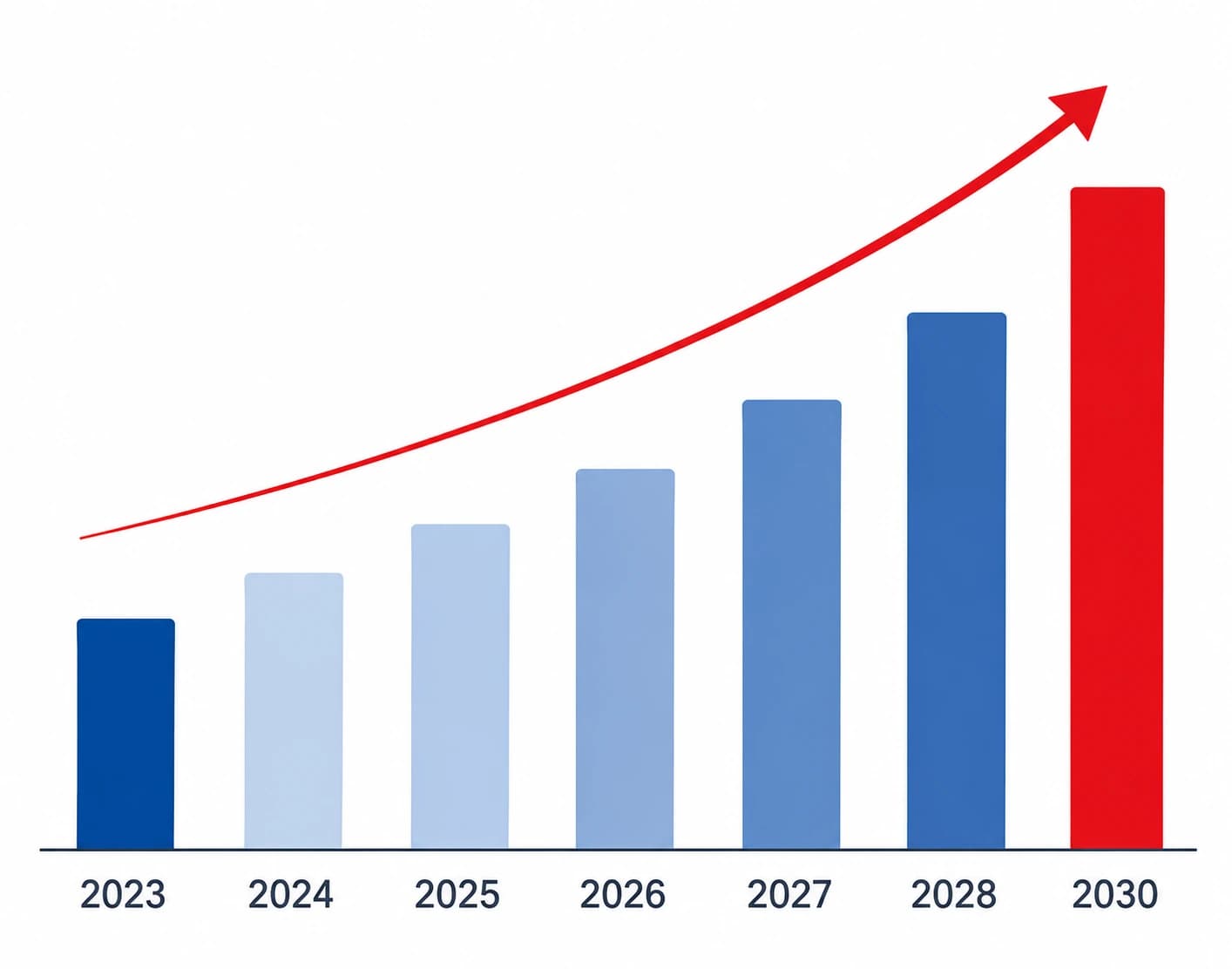
The global Agriculture and Farming Equipment market was valued at US$ 140720 million in 2025 and is anticipated to reach US$ 195260 million by 2032, witnessing a CAGR of 4.9% during the forecast period 2026-2032.
Agriculture and Farming Equipment encompasses a wide range of mechanical devices designed to aid in various farming operations. These machines are pivotal in enhancing productivity, reducing labor costs, and ensuring timely completion of agricultural tasks. The primary categories of Agriculture and Farming Equipment include tractors, harvesters, spraying equipment, planting equipment, hay and forage equipment, and other specialized tools. Tractors serve as the backbone of mechanized farming, providing the necessary power to operate various implements. Harvesters are essential for efficiently gathering crops, minimizing losses, and reducing the time required for harvesting. Spraying equipment ensures the effective application of pesticides and fertilizers, safeguarding crop health. Planting equipment facilitates precise sowing of seeds, optimizing crop yields. Hay and forage equipment is crucial for livestock farming, aiding in the collection and processing of feed.
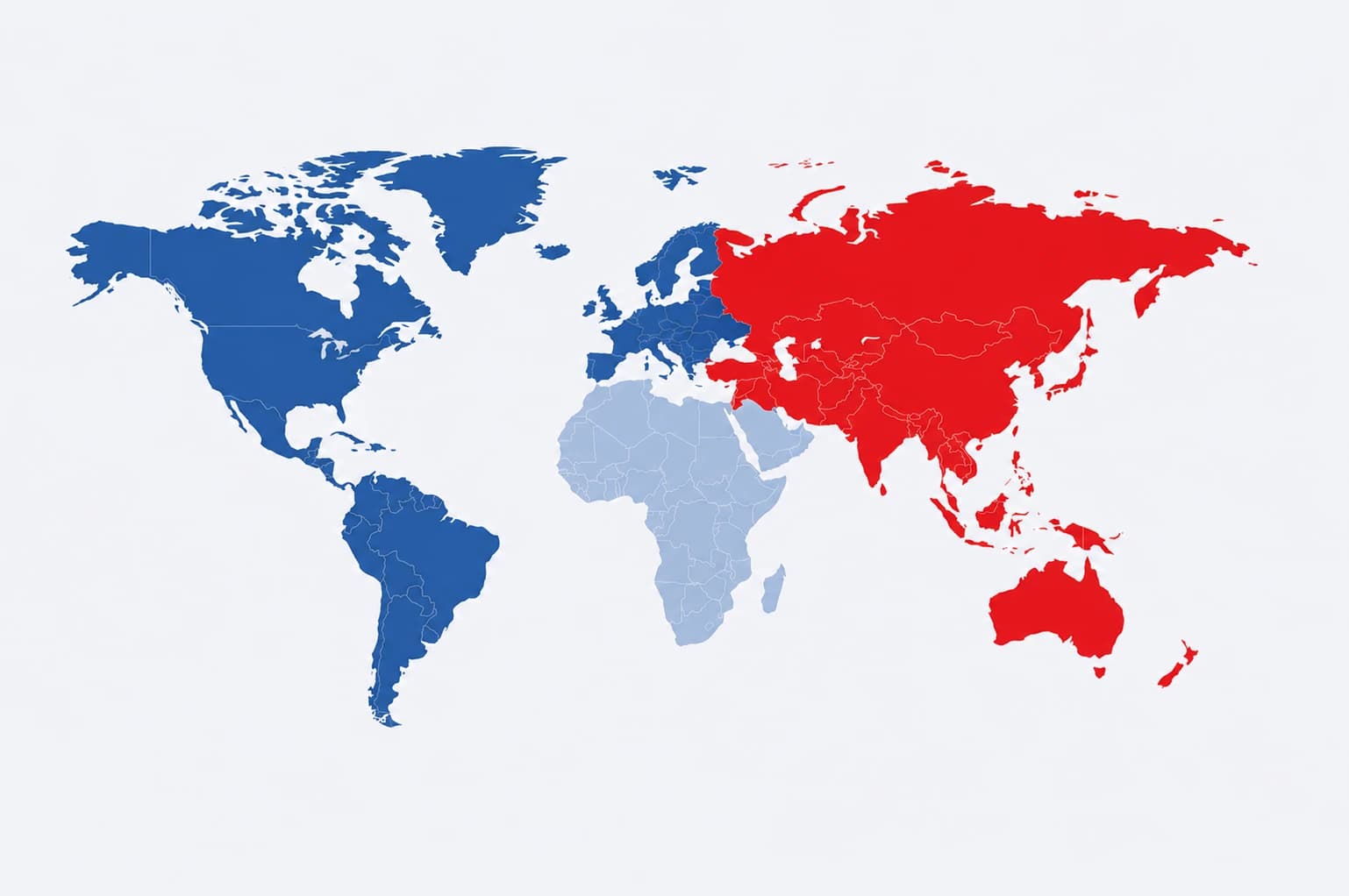
The global Agriculture and Farming Equipment market has witnessed significant growth, driven by advancements in technology, increasing labor costs, and the need for enhanced agricultural productivity. Tractors dominate the market, accounting for a substantial share due to their versatility and widespread use across various farming activities. Harvesters have also seen a surge in demand, particularly in regions with large-scale crop production. The Asia-Pacific region stands out as the largest consumer of Agriculture and Farming Equipment, with countries like China and India leading the way. This dominance is attributed to the vast agricultural land, government incentives, and the push towards mechanization to meet the growing food demand.
Several factors contribute to the growth of the Agriculture and Farming Equipment market. The increasing global population necessitates higher food production, prompting farmers to adopt mechanized solutions to enhance efficiency. Labor shortages, especially in rural areas, have made manual farming practices less viable, leading to a shift towards machinery. Technological advancements have introduced precision farming tools, allowing for more accurate and efficient farming practices. Government policies and subsidies in various countries have further accelerated the adoption of modern Agriculture and Farming Equipment. Additionally, the rising awareness of sustainable farming practices has led to the development of eco-friendly machinery options.
Despite the positive growth trajectory, the Agriculture and Farming Equipment market faces certain challenges. The high initial investment required for purchasing advanced machinery can be a deterrent for small-scale farmers. Maintenance and operational costs add to the financial burden, making it challenging for farmers in developing regions to adopt such technologies. The rapid pace of technological advancements means that machinery can become obsolete quickly, leading to concerns about return on investment. Moreover, the availability of skilled operators to handle sophisticated machinery is limited in some areas, hindering widespread adoption.
The Agriculture and Farming Equipment market presents significant opportunities for growth, driven by technological innovations, government support, and the pressing need for increased agricultural productivity. While challenges exist, they are not insurmountable. With continued investment in research and development, coupled with supportive policies, the sector is poised for sustained growth. Manufacturers and stakeholders must focus on affordability, training, and after-sales support to ensure that the benefits of mechanization reach farmers across the globe. As the industry evolves, the integration of smart technologies and sustainable practices will define the future of Agriculture and Farming Equipment.
This report aims to provide a comprehensive presentation of the global market for Agriculture and Farming Equipment, with both quantitative and qualitative analysis, to help readers develop business/growth strategies, assess the market competitive situation, analyze their position in the current marketplace, and make informed business decisions regarding Agriculture and Farming Equipment.
The Agriculture and Farming Equipment market size, estimations, and forecasts are provided in terms of revenue ($ millions), considering 2025 as the base year, with history and forecast data for the period from 2021 to 2032. This report segments the global Agriculture and Farming Equipment market comprehensively. Regional market sizes, concerning products by Type, by Application, and by players, are also provided.
For a more in-depth understanding of the market, the report provides profiles of the competitive landscape, key competitors, and their respective market ranks. The report also discusses technological trends and new product developments.
The report will help the Agriculture and Farming Equipment manufacturers, new entrants, and industry chain related companies in this market with information on the revenues for the overall market and the sub-segments across the different segments, by company, by Type, by Application, and by regions.
Chapter 1: Introduces the report scope of the report, executive summary of different market segments (by region, product type, application, etc), including the market size of each market segment, future development potential, and so on. It offers a high-level view of the current state of the market and its likely evolution in the short to mid-term, and long term.
Chapter 2: key insights, key emerging trends, etc.
Chapter 3: Manufacturers competitive analysis, detailed analysis of Agriculture and Farming Equipment manufacturers competitive landscape, revenue market share, latest development plan, merger, and acquisition information, etc.
Chapter 4: Provides profiles of key players, introducing the basic situation of the main companies in the market in detail, including product revenue, gross margin, product introduction, recent development, etc.
Chapter 5 & 6: Revenue of Agriculture and Farming Equipment in regional level and country level. It provides a quantitative analysis of the market size and development potential of each region and its main countries and introduces the market development, future development prospects, market space, and market size of each country in the world.
Chapter 7: Provides the analysis of various market segments by Type, covering the market size and development potential of each market segment, to help readers find the blue ocean market in different market segments.
Chapter 8: Provides the analysis of various market segments by Application, covering the market size and development potential of each market segment, to help readers find the blue ocean market in different downstream markets.
Chapter 9: Analysis of industrial chain, including the upstream and downstream of the industry.
Chapter 10: The main points and conclusions of the report.
- ★ What Is The Overall Market Size And Projected Growth Rate Across Global And Regional Segments?
- ★ How Does The Market Size And Growth Outlook Vary Across Major Countries?
- ★ Which Region Or Market Sub-Segment Is Anticipated To Dominate Growth During The Forecast Period?
- ★ What Are The Primary Factors Expected To Drive Market Expansion, And What Challenges May Restrain Growth?
- ★ Which Emerging Technologies And Market Trends Are Shaping The Future Landscape?
- ★ What Are The Most Significant Opportunities Available In The Market?
- ★ Who Are The Leading Manufacturers Actively Participating In The Global Market?
- ★ Which Company Currently Holds The Largest Share Of The Market?
- ★ What Are The Potential Growth Avenues For New Entrants In The Global Market?