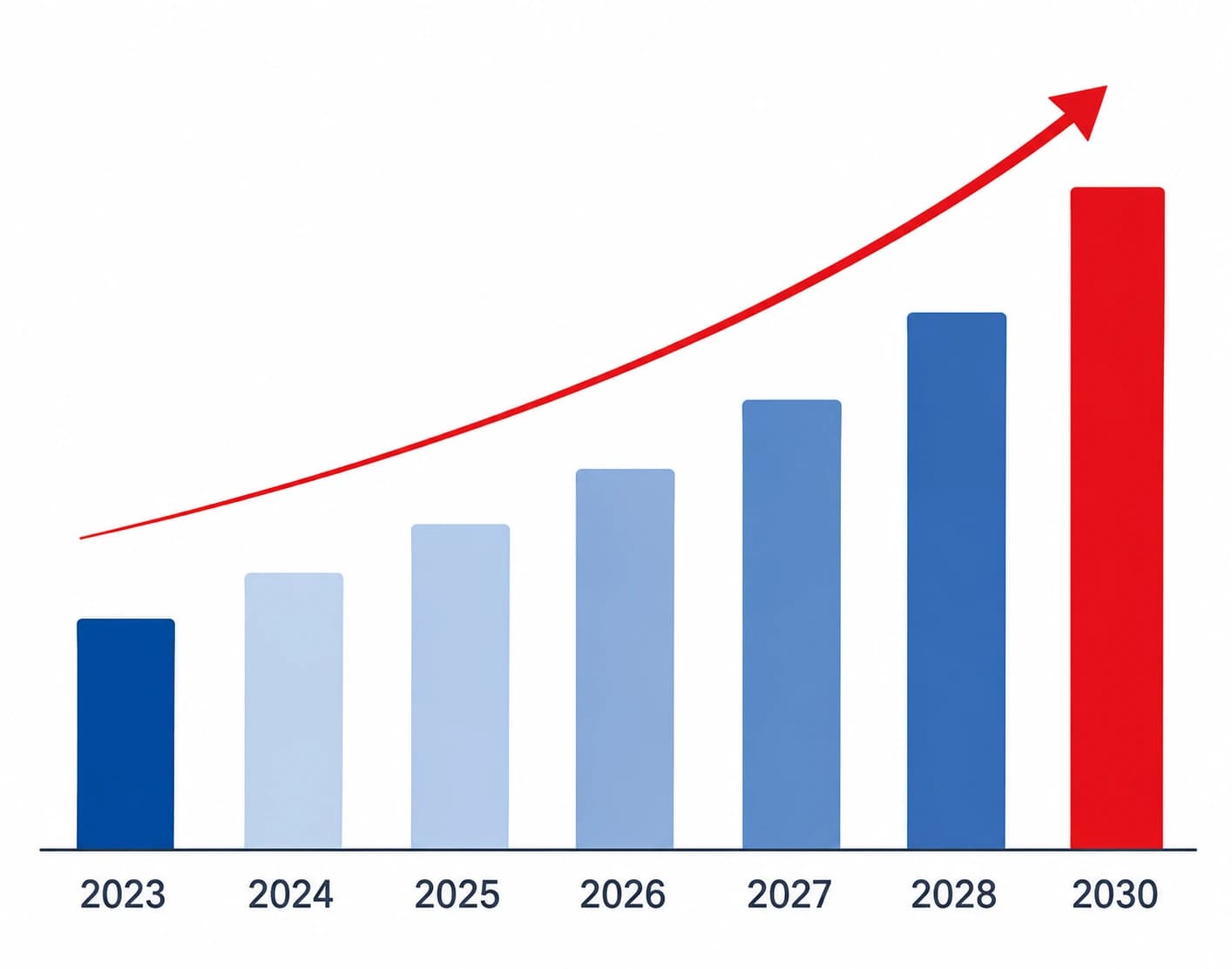
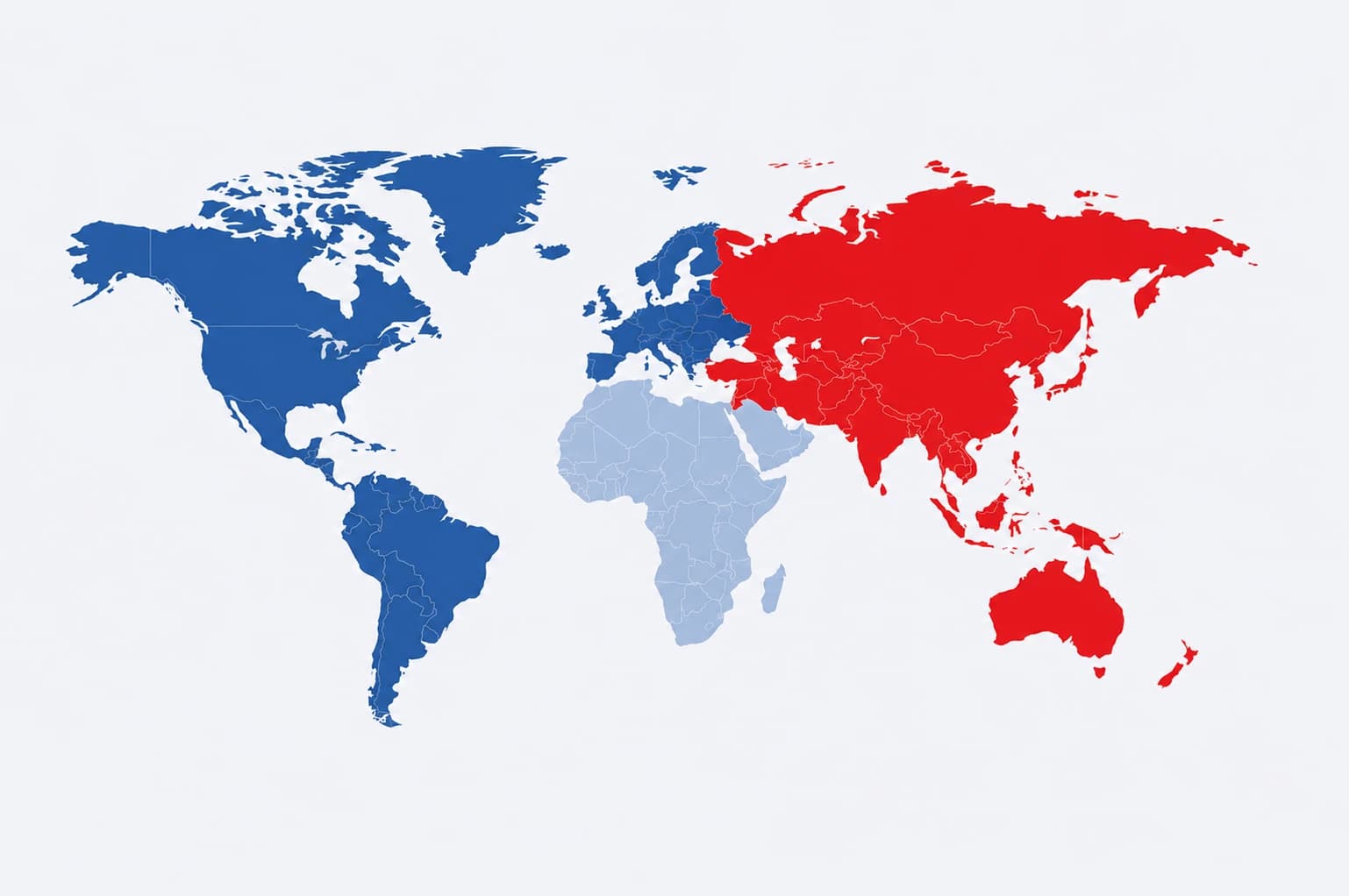
The global market for Eucalyptus Logs & Lumber was estimated to be worth US$ 31500 million in 2025 and is projected to reach US$ 39503 million, growing at a CAGR of 3.2% from 2026 to 2032.
The potential shifts in the 2025 U.S. tariff framework pose substantial volatility risks to global markets. This report provides a comprehensive assessment of recent tariff adjustments and international strategic countermeasures on Eucalyptus Logs & Lumber cross-border industrial footprints, capital allocation patterns, regional economic interdependencies, and supply chain reconfigurations.
Eucalyptus Logs & Lumber refer to the natural roundwood harvested from trees of the genus Eucalyptus (family Myrtaceae), as well as the sawn timber (planks, squares, boards) produced by longitudinal sawing and processing. Eucalyptus is the most widely planted fast‑growing hardwood genus globally, native to Australia and now extensively introduced to Brazil, China, India, South Africa, Portugal, and nearly one hundred other countries. This category is defined by rapid growth, short rotation cycles (typically 5–8 years) and broad adaptability, with wood density ranging widely from 0.40 to 0.84 g/cm³ and excellent mechanical properties. Eucalyptus logs and lumber are extensively used in pulp & paper manufacturing, wood‑based panels (plywood, fiberboard, particleboard), construction framing, furniture manufacturing, flooring, packaging, and biomass energy, making it a core basic raw material category in the global forest products supply chain. China is the world‘s largest consumer and processor of eucalyptus, with large‑scale plantation and processing clusters concentrated in Guangxi, Guangdong, Yunnan, and Fujian. Eucalyptus has consistently served as a key substitute for natural‑origin hardwood in China‘s timber market.
Eucalyptus logs and lumber represent the world’s largest industrial hardwood category by volume, positioned at the lower end of fast‑grown temperate hardwood prices. In 2025–2026, ex‑mill prices for eucalyptus logs in southern China range 80‑110/m³ (small‑diameter pulpwood 55‑70/ton), while sawn timber (medium‑diameter, Grade B equivalent) fetches 160‑220/m³,withlarge‑diameter structural grades reaching 280‑350/m³. Industry gross margins diverge: vertically‑integrated pulp & paper giants (Suzano, Klabin) achieve 25%‑35% thanks to captive plantations; standalone sawmills are squeezed to 10%‑18% due to raw material and export competition. Cost structures are dominated by land lease and silviculture (55%‑65% of log cost) and hauling/drying (20%‑25% of sawn timber cost). Downstream, roughly 45% of consumption goes to wood‑based panels (plywood core, fiberboard, particleboard), 25% to construction & structure (formwork, scaffolding, pallets), 15% to furniture components & interior trim, and the remainder to pulp, bioenergy, and pressure‑treated outdoor products. Incremental demand comes from three sources: first, new bleached eucalyptus kraft pulp capacity in Brazil and Uruguay (e.g., Suzano’s Cerrado project, UPM’s Uruguay mill) driving small‑log demand; second, despite China’s “bamboo as substitute for plastic” policy, bamboo cannot replace heavy‑duty industrial packaging and concrete formwork – eucalyptus pallet and formwork exports grew 13% yoy in Q1 2026; third, ASEAN furniture manufacturing expansion (Vietnam, Indonesia) is sourcing Chinese eucalyptus sawn timber for mid‑to‑low end furniture frames. However, China’s real estate new starts fell 15% yoy, depressing domestic demand for structural eucalyptus lumber. The upstream landscape is highly fragmented: Brazil, Uruguay and South Africa have large‑scale plantations and modern sawmills, with three major Brazilian pulp firms controlling global pricing power. In China, tens of thousands of small sawmills and farmer‑owned stands coexist, though regional champions (Guangxi Guoxu, Fenglin) are consolidating capacity. In 2026, Vietnamese and Indonesian eucalyptus processing exports to China are beginning to reverse‑flow, creating intra‑regional competition. Key uncertainties include: first, BRL and UYU exchange rate volatility affecting dollar‑denominated export prices; second, whether China will introduce a national grade standard for eucalyptus structural timber (currently absent) to unlock large‑scale timber building markets; third, soil degradation and pest risks (wilt disease, eucalyptus longhorn beetle) from continuous plantation rotations, which could constrain long‑term supply. In summary, eucalyptus logs and lumber will grow at a moderate 3%‑4% annually, with margins under pressure from rising energy and freight costs, but small‑diameter pulpwood and large‑diameter structural grades offer structural premiums. Vertical integration and overseas milling capacity are the clearest paths to improved profitability.
This report provides a comprehensive view of the global market for Eucalyptus Logs & Lumber, covering total sales volume, sales revenue, pricing, the market share and ranking of key companies, along with analyses by region & country, by Type, and by Application.
The Eucalyptus Logs & Lumber market size, estimations, and forecasts are presented in terms of sales volume (Cubic Meter) and revenue ($ millions), with 2025 as the base year and historical and forecast data from 2021 to 2032. The report combines quantitative and qualitative analysis to help readers develop growth strategies, assess the competitive landscape, evaluate their position in the current marketplace, and make informed business decisions regarding Eucalyptus Logs & Lumber.
Chapter 1: Introduces the scope of the report and the global market size (value, volume, and price). It also summarizes market dynamics and Recent Developments; identifies key drivers and restraints; outlines challenges and risks for manufacturers; reviews relevant industry policies and U.S. tariff implications.
Chapter 2: Provides a detailed analysis of the Eucalyptus Logs & Lumber manufacturers' competitive landscape—including pricing, sales and revenue shares, Recent Developments plans, and mergers and acquisitions (M&A).
Chapter 3: Analyzes market segmentation by Type, presenting the size and growth potential of each segment to help readers identify blue-ocean opportunities.
Chapter 4: Analyzes market segmentation by Application, presenting the size and growth potential of each downstream segment to help readers identify blue-ocean opportunities.
Chapter 5: Presents Eucalyptus Logs & Lumber sales and revenue at the regional level. It offers a quantitative assessment of market size and growth potential by region and summarizes market development, future prospects, addressable space, and country-level market size worldwide.
Chapter 6: Presents Eucalyptus Logs & Lumber sales and revenue at the country level. It provides segmented data by Type and by Application for each country/region.
Chapter 7: Profiles key players, detailing the main companies' product sales, revenue, pricing, gross margin, product portfolios, Recent Developments, etc.
Chapter 8: Analyzes the industry value chain, including upstream suppliers and downstream applications/customers.
- ★ What Is The Overall Market Size And Projected Growth Rate Across Global And Regional Segments?
- ★ How Does The Market Size And Growth Outlook Vary Across Major Countries?
- ★ Which Region Or Market Sub-Segment Is Anticipated To Dominate Growth During The Forecast Period?
- ★ What Are The Primary Factors Expected To Drive Market Expansion, And What Challenges May Restrain Growth?
- ★ Which Emerging Technologies And Market Trends Are Shaping The Future Landscape?
- ★ What Are The Most Significant Opportunities Available In The Market?
- ★ Who Are The Leading Manufacturers Actively Participating In The Global Market?
- ★ Which Company Currently Holds The Largest Share Of The Market?
- ★ What Are The Potential Growth Avenues For New Entrants In The Global Market?