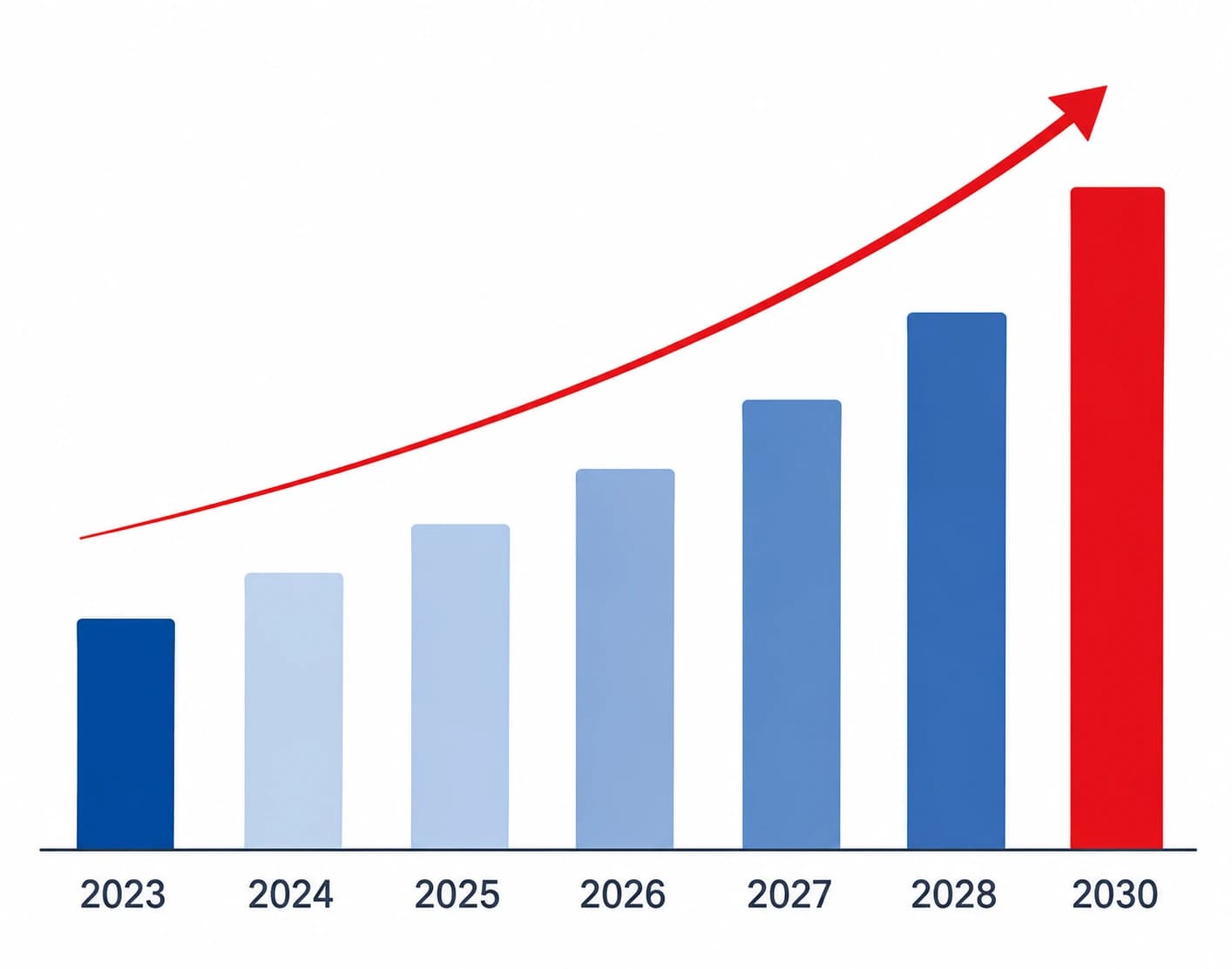
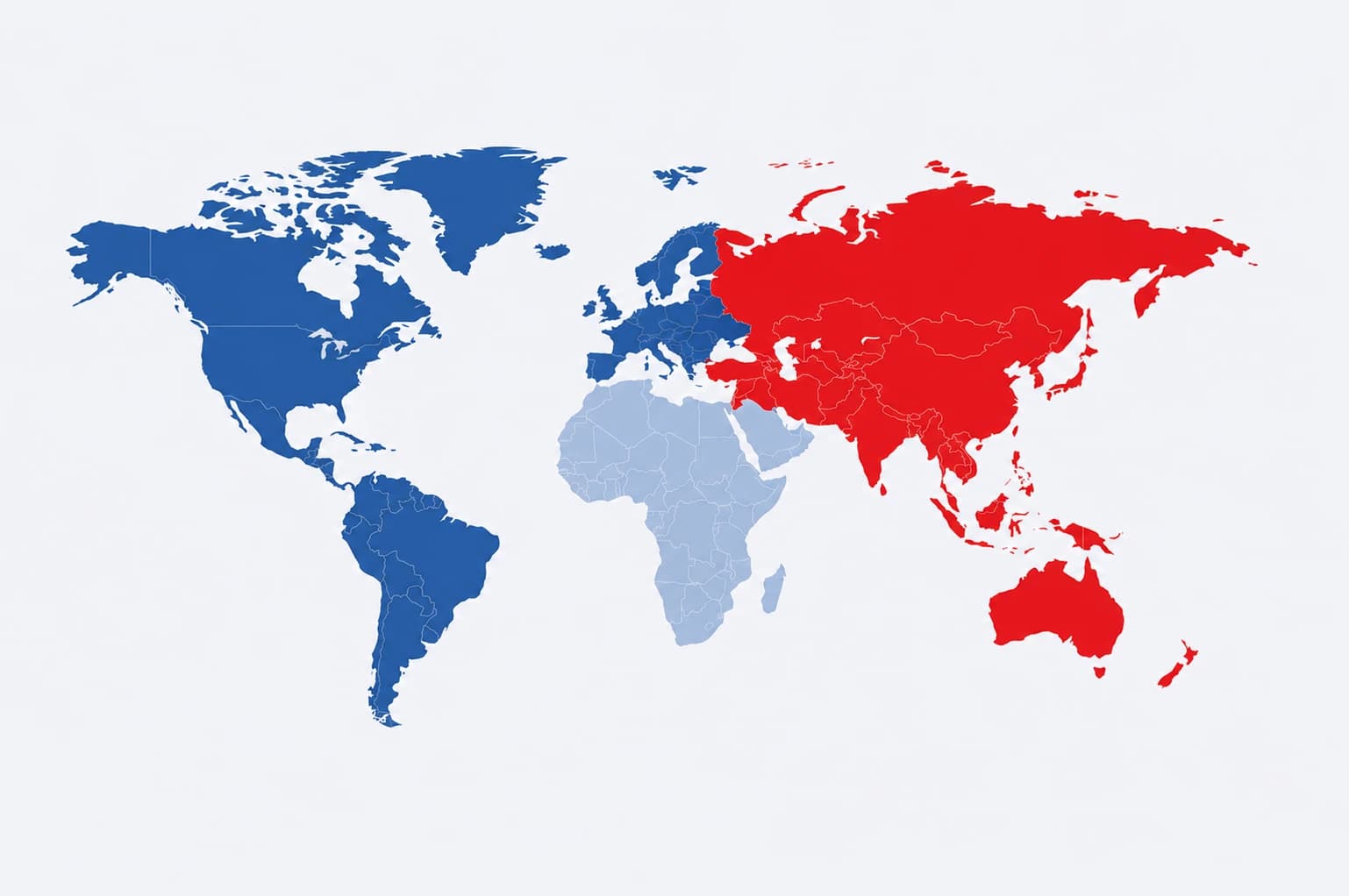
The global market for Excavator Seats was estimated to be worth US$ 104 million in 2025 and is projected to reach US$ 151 million, growing at a CAGR of 5.5% from 2026 to 2032.
The potential shifts in the 2025 U.S. tariff framework pose substantial volatility risks to global markets. This report provides a comprehensive assessment of recent tariff adjustments and international strategic countermeasures on Excavator Seats cross-border industrial footprints, capital allocation patterns, regional economic interdependencies, and supply chain reconfigurations.
Excavator seats are specialized industrial seats installed in the cab of excavators to provide operators with support, shock absorption, multi-directional adjustment, and safety protection. Their core functions are vibration and noise reduction, fatigue relief, and ensuring operational safety and visibility; they are key human-machine components in construction machinery.
The upstream core components of excavator seats include metal structural parts (high-strength cold-rolled steel, spring steel, aluminum alloy), cushioning foam materials (high-resilience polyurethane foam, cold-blown foam), fabrics and accessories (wear-resistant PVC leather, flame-retardant fabrics, artificial leather), shock-absorbing and adjustment components, and electronic and intelligent components. Downstream applications are mainly in OEMs and the excavator aftermarket.
In 2025, global excavator seat sales reached 835,000 units, with a production capacity of approximately 1.05 million units. The average selling price was $125 per unit, and the average gross profit margin was 30%-40%.
The global excavator seat market supply structure exhibits a pattern of "international high-end brands dominating + domestic mid-to-low-end competition." Upstream raw materials include steel structures, vibration damping devices, foam/leather/fabric, and hydraulic components; these materials are mature and supply is stable. Midstream manufacturers primarily adopt OEM/ODM models. Downstream customers are mainly excavator OEMs, such as Caterpillar, Komatsu, Sany, and Zoomlion; brand power and technical standards are the core of their competitiveness.
Demand is mainly driven by global construction machinery sales and infrastructure construction. Demand for new medium and large excavators, new mining machinery, and road construction projects are the main sources of growth. Simultaneously, the demand for high-end seat replacements is gradually emerging, with operators demanding higher ergonomics, vibration damping performance, and comfort, also driving the growth of the high-end seat market share. Increased excavator penetration in developing countries has led to a steady increase in sales of mid-to-low-end seats.
Product and technology trends are evolving towards "comfort, intelligence, and multi-functional integration." Modern excavator seats emphasize hydraulic or mechanical vibration damping technology, adjustable backrests, lumbar support, and optimized armrests, while integrating heating, ventilation, and electronic seat controls. The application of lightweight and corrosion-resistant materials enhances durability and reliability, providing a differentiated competitive advantage in the high-end market.
Overall, the excavator seat industry is characterized by steady growth and significant technological iteration. Future trends focus on upgrades in comfort, safety, and intelligent features, while lightweighting and durability remain core competitive advantages. The risk of substitution is low, but the low-to-mid-range market faces fluctuations in raw material costs and pressure from domestic competition, while the high-end market relies on technological innovation and brand barriers to maintain its advantage.
This report provides a comprehensive view of the global market for Excavator Seats, covering total sales volume, sales revenue, pricing, the market share and ranking of key companies, along with analyses by region & country, by Type, and by Application.
The Excavator Seats market size, estimations, and forecasts are presented in terms of sales volume (K Units) and revenue ($ millions), with 2025 as the base year and historical and forecast data from 2021 to 2032. The report combines quantitative and qualitative analysis to help readers develop growth strategies, assess the competitive landscape, evaluate their position in the current marketplace, and make informed business decisions regarding Excavator Seats.
Chapter 1: Introduces the scope of the report and the global market size (value, volume, and price). It also summarizes market dynamics and Recent Developments; identifies key drivers and restraints; outlines challenges and risks for manufacturers; reviews relevant industry policies and U.S. tariff implications.
Chapter 2: Provides a detailed analysis of the Excavator Seats manufacturers' competitive landscape—including pricing, sales and revenue shares, Recent Developments plans, and mergers and acquisitions (M&A).
Chapter 3: Analyzes market segmentation by Type, presenting the size and growth potential of each segment to help readers identify blue-ocean opportunities.
Chapter 4: Analyzes market segmentation by Application, presenting the size and growth potential of each downstream segment to help readers identify blue-ocean opportunities.
Chapter 5: Presents Excavator Seats sales and revenue at the regional level. It offers a quantitative assessment of market size and growth potential by region and summarizes market development, future prospects, addressable space, and country-level market size worldwide.
Chapter 6: Presents Excavator Seats sales and revenue at the country level. It provides segmented data by Type and by Application for each country/region.
Chapter 7: Profiles key players, detailing the main companies' product sales, revenue, pricing, gross margin, product portfolios, Recent Developments, etc.
Chapter 8: Analyzes the industry value chain, including upstream suppliers and downstream applications/customers.
- ★ What Is The Overall Market Size And Projected Growth Rate Across Global And Regional Segments?
- ★ How Does The Market Size And Growth Outlook Vary Across Major Countries?
- ★ Which Region Or Market Sub-Segment Is Anticipated To Dominate Growth During The Forecast Period?
- ★ What Are The Primary Factors Expected To Drive Market Expansion, And What Challenges May Restrain Growth?
- ★ Which Emerging Technologies And Market Trends Are Shaping The Future Landscape?
- ★ What Are The Most Significant Opportunities Available In The Market?
- ★ Who Are The Leading Manufacturers Actively Participating In The Global Market?
- ★ Which Company Currently Holds The Largest Share Of The Market?
- ★ What Are The Potential Growth Avenues For New Entrants In The Global Market?