The current preparation methods of CNT mainly include chemical vapor deposition (CVD), laser evaporation, graphite arc method, and hydrothermal method. However, due to the shortcomings of high cost and difficulty in industrial production for the latter three, CNT manufacturers use choose to use CVD. Carbon nanotubes (CNTs), including multi-walled CNTs (MWCNTs) and single-walled CNTs (SWCNTs), are employed as conductive additives in lithium ion batteries. CNT paste is a new highly efficient conductive agent for Li-ion Battery, which can replace the traditional conductive agents such as carbon black, graphite & carbon fibre. It has some excellent characteristics of high LD ratio, big SSA value & low volume resistivity, can be used in various specifications of electrode materials, such as LFP, LCO, LMN, NCM, graphite, etc.
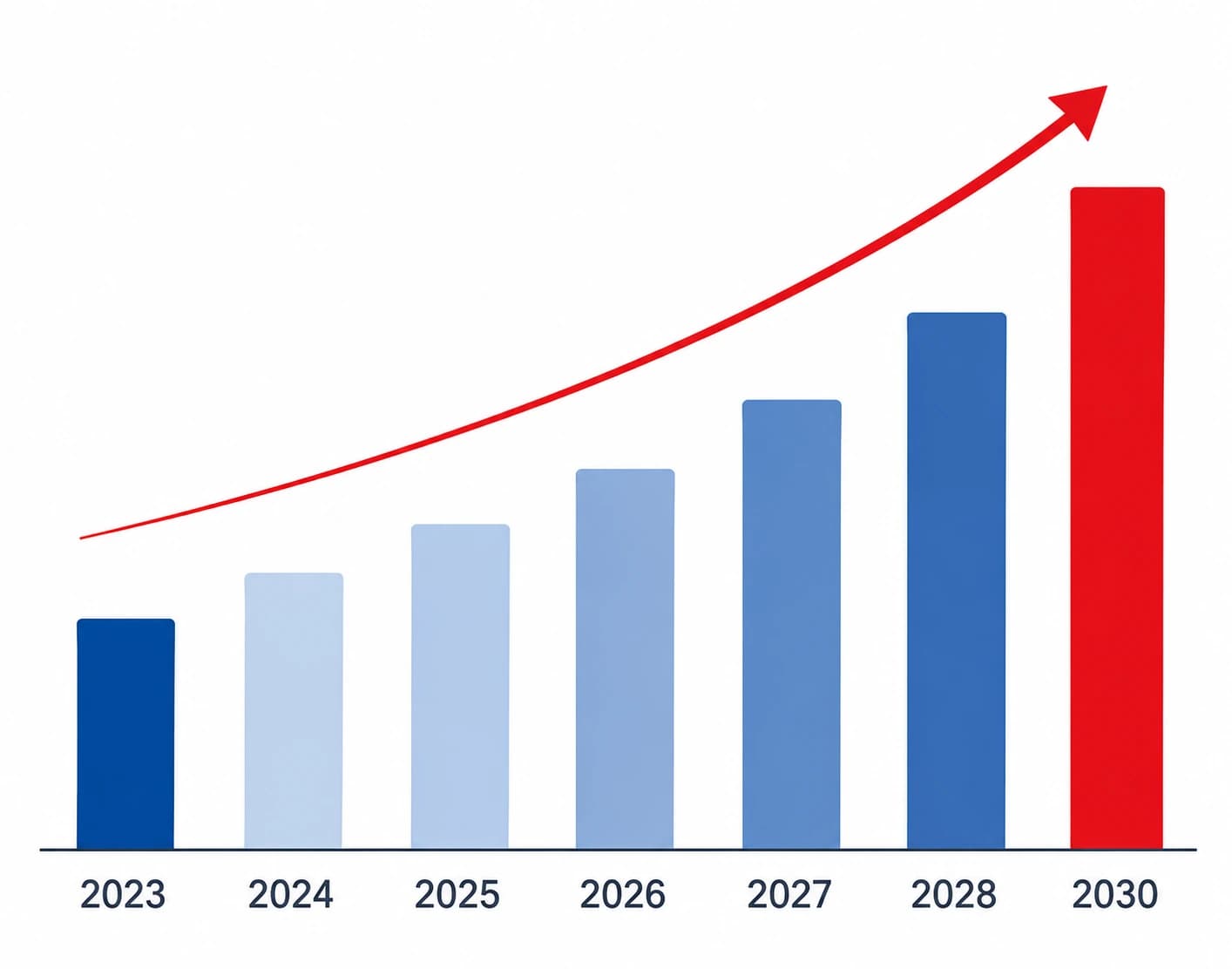
The global Lithium-Ion Battery CNT (Carbon Nano Tube) Conductive Agent revenue was US$ 807 million in 2022 and is forecast to a readjusted size of US$ 7867.2 million by 2029 with a CAGR of 38.4% during the forecast period (2023-2029).
In India, the Lithium-Ion Battery CNT (Carbon Nano Tube) Conductive Agent revenue is expected to grow from US$ million in 2022 to US$ million by 2029, at a CAGR of % during the forecast period (2023-2029).
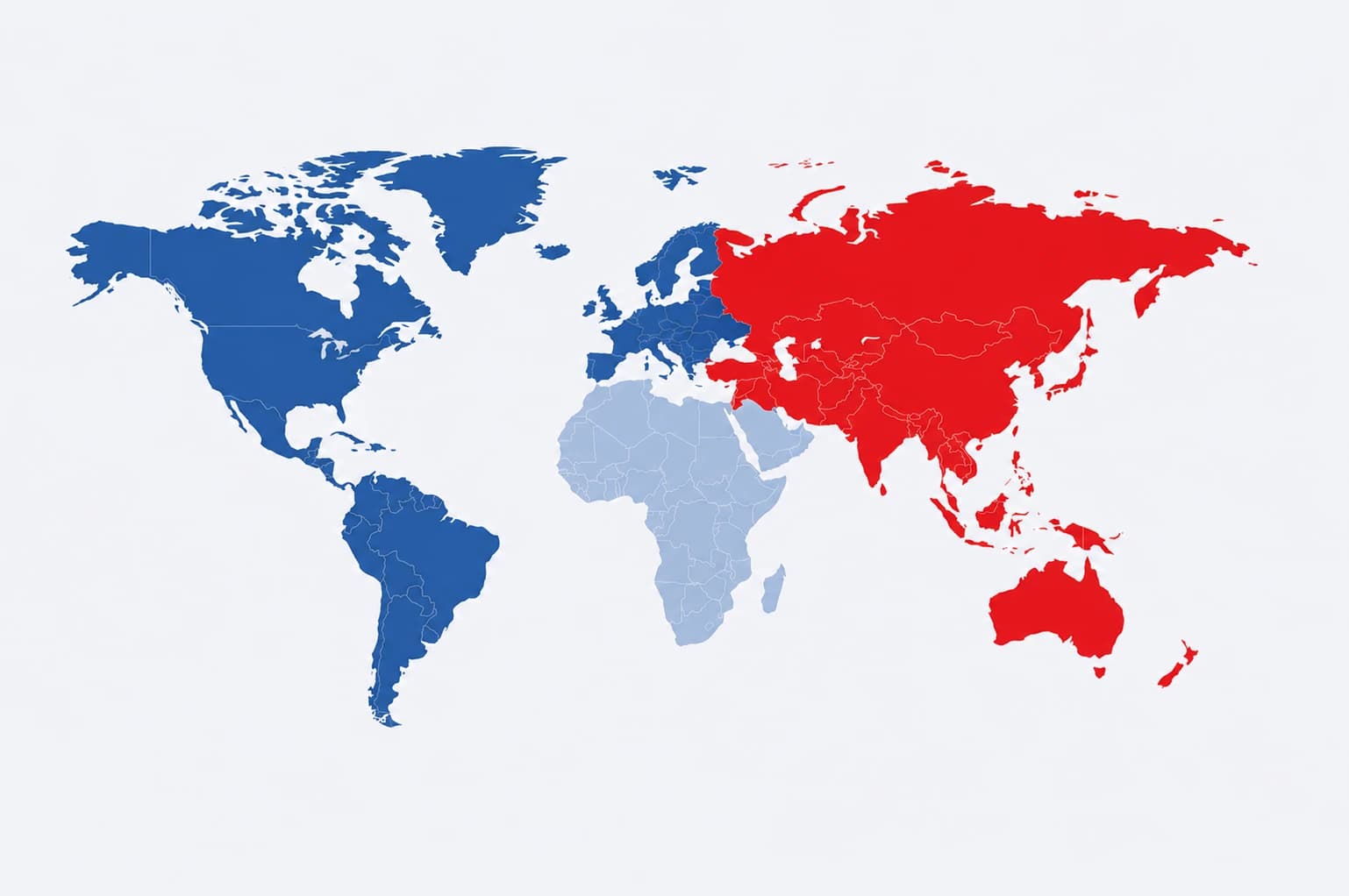
Global key manufacturers of lithium-Ion battery CNT (Carbon Nano Tube) conductive agent include Tenneco, OCSiAI, SUSN Nano (Cabot Corporation), Qingdao Haoxin New Energy, Wuxi Dongheng New Energy, etc. The top five manufacturers together account for more than 70% of the market share. The global origins are mainly distributed in North America, Europe, China, Japan and South Korea. Asia Pacific is the world's leading consumption market for lithium-lon battery carbon nano tube conductive agents, with a market share of more than 75%. In terms of type, multi-walled carbon nanotubes have a market share of more than 80%. In terms of application, the market share of power lithium battery for EVs reaches more than 60%; followed by lithium battery for 3C products.
This report focuses on global and India Lithium-Ion Battery CNT (Carbon Nano Tube) Conductive Agent market, also covers the segmentation data of other regions in regional level and county level.
India is now the world’s most populous country. According to IMF (its July update to its World Economic Outlook), India’s GDP growth is projected at 6.1% in 2023, powered by domestic investment. First and foremost, the key factor in India's rapid economic growth is the huge supply and demand from a large population base. Demand and supply sides working in both directions to support India's economic stability.
India is a market full of opportunities, and the demand for Lithium-Ion Battery CNT (Carbon Nano Tube) Conductive Agent will continue to grow rapidly in the future.
Global Lithium-Ion Battery CNT (Carbon Nano Tube) Conductive Agent Scope and Market Size
Lithium-Ion Battery CNT (Carbon Nano Tube) Conductive Agent market is segmented in regional and country, by players, by type and by application. Companies, stakeholders, and other participants in the global Lithium-Ion Battery CNT (Carbon Nano Tube) Conductive Agent market will be able to gain the upper hand as they use the report as a powerful resource. The segmental analysis focuses on revenue and forecast by type and by application for the period 2018-2029.
For India market, this report focuses on the Lithium-Ion Battery CNT (Carbon Nano Tube) Conductive Agent market size by players, by Type and by Application, for the period 2018-2029. The key players include the global and local players, which play important roles in India.
SUSN Nano (Cabot Corporation)
Qingdao Haoxin New Energy
Shenzhen Jinbaina Nanotechnology
ANP(Advanced Nano Products)
Multi-walled Carbon Nanotubes (MWCNTs)
Single-walled Carbon Nanotubes (SWCNTs)
Lithium-Ion Battery for EVs
Lithium-Ion Battery for 3C Products
Lithium-Ion Battery for Energy Storage Systems
Chapter 1: Introduces Lithium-Ion Battery CNT (Carbon Nano Tube) Conductive Agent definition, global sales (volume and revenue), India market size, India percentage in global market. This section also introduces the market dynamics, latest developments of the market, the driving factors and restrictive factors of the market, the challenges and risks faced by companies in the industry, and the analysis of relevant policies in the industry.
Chapter 2: Provides the analysis of various market segments by type, covering the volume, price, revenue, and development potential of each market segment, to help readers find the blue ocean market in different market segments.
Chapter 3: Provides the analysis of various market segments by application, covering the revenue, price, volume, and development potential of each market segment, to help readers find the blue ocean market in different downstream markets.
Chapter 4: Detailed analysis of Lithium-Ion Battery CNT (Carbon Nano Tube) Conductive Agent companies’ competitive landscape, revenue, market share and industry ranking, latest development plan, merger, and acquisition information, etc.
Chapter 5: Revenue and volume of Lithium-Ion Battery CNT (Carbon Nano Tube) Conductive Agent in global and regional level. It provides a quantitative analysis of the market size and development potential of each region and introduces the market development, future development prospects, market space, and capacity of each country in the world.
Chapter 6: Americas by type, by application and by country, sales, and revenue for each segment.
Chapter 7: EMEA by type, by application and by region, sales, and revenue for each segment.
Chapter 8: China by type, by application, sales, and revenue for each segment.
Chapter 9: APAC (excluding China) by type, by application and by region, sales, and revenue for each segment.
Chapter 10: Provides profiles of key companies, introducing the basic situation of the main companies in the market in detail, including product descriptions and specifications, Lithium-Ion Battery CNT (Carbon Nano Tube) Conductive Agent sales, revenue, gross margin, and recent development, etc.
Chapter 11: Analysis of industrial chain, sales channel, key raw materials, distributors, and customers.
Chapter 12: Research findings and conclusion