Photovoltaic film is the core material of photovoltaic modules, including EVA film, POE film, etc. EVA is the most important packaging material among them. Due to the fact that photovoltaic modules work in outdoor environments all year round, the heat resistance, low temperature resistance, oxidation resistance, and UV aging resistance of photovoltaic film have a very important impact on the quality of the modules.
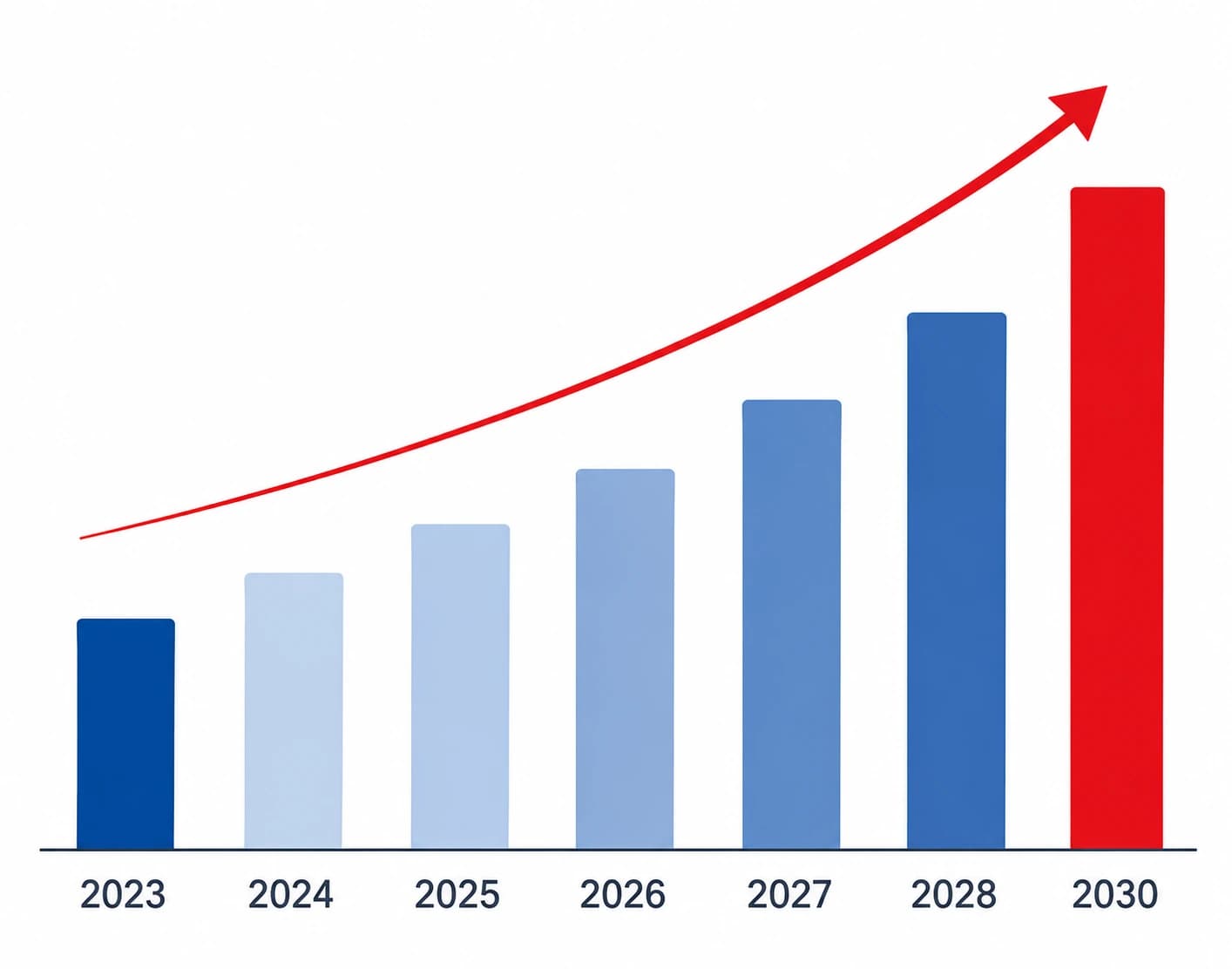
The global Photovoltaic Film Material market was valued at US$ million in 2023 and is anticipated to reach US$ million by 2030, witnessing a CAGR of %during the forecast period 2024-2030.
China has implemented the Renewable Energy Law since 2006, in which Article 4 clearly states that, the State gives first priority to the exploration of renewable energy. Over the years, various departments of the Chinese government have successively issued a large number of policies, covering production, sales, taxation, subsidies and other aspects. After setting the carbon neutrality goal in 2021, from a national perspective, the upgrading of the energy structure is ever imperative, and therefore the optoelectronic industry has great potential. The European Commission released the Net-Zero Industry Act in 2023. This bill aims to stimulate local manufacturing in Europe, reduce import dependence on China, and ensure that at least 40% of the EU"s clean energy demand can be met by 2030. The EU targets an installed solar capacity of 600 GW. Overall, the European market still has a lot of room for development. US 2022 release of the Inflation Reduction Act, which includes $369 billion for energy security and climate change investments. For the photovoltaic industry, the bill stimulates its development from multiple aspects such as corporate and individual tax credits, production subsidies, and loans throughout the industry chain, and revitalizes the domestic manufacturing industry in the United States. Japanese authorities plan to make solar panels mandatory for new residential buildings in Tokyo from 2025 onwards. It is estimated that by 2030, photovoltaic power generation will account for 14%-16% of Japan"s total power generation, and the cumulative installed capacity of photovoltaic systems will be about 117.162 GW.
This report aims to provide a comprehensive presentation of the global market for Photovoltaic Film Material, with both quantitative and qualitative analysis, to help readers develop business/growth strategies, assess the market competitive situation, analyze their position in the current marketplace, and make informed business decisions regarding Photovoltaic Film Material.
The Photovoltaic Film Material market size, estimations, and forecasts are provided in terms of sales quantity (M Sqm) and revenue ($ millions), considering 2023 as the base year, with history and forecast data for the period from 2019 to 2030. This report segments the global Photovoltaic Film Material market comprehensively. Regional market sizes, concerning products by Type, by Application, and by players, are also provided.
For a more in-depth understanding of the market, the report provides profiles of the competitive landscape, key competitors, and their respective market ranks. The report also discusses technological trends and new product developments.
The report will help the Photovoltaic Film Material manufacturers, new entrants, and industry chain related companies in this market with information on the revenues, sales, and average price for the overall market and the sub-segments across the different segments, by company, by Type, by Application, and by regions.
Chapter 1: Introduces the report scope of the report, executive summary of different market segments (by region, product type, application, etc), including the market size of each market segment, future development potential, and so on. It offers a high-level view of the current state of the market and its likely evolution in the short to mid-term, and long term.
Chapter 2: key insights, key emerging trends, etc.
Chapter 3: Manufacturers competitive analysis, detailed analysis of Photovoltaic Film Material manufacturers competitive landscape, price, sales and revenue market share, latest development plan, merger, and acquisition information, etc.
Chapter 4: Provides profiles of key players, introducing the basic situation of the main companies in the market in detail, including product sales, revenue, price, gross margin, product introduction, recent development, etc.
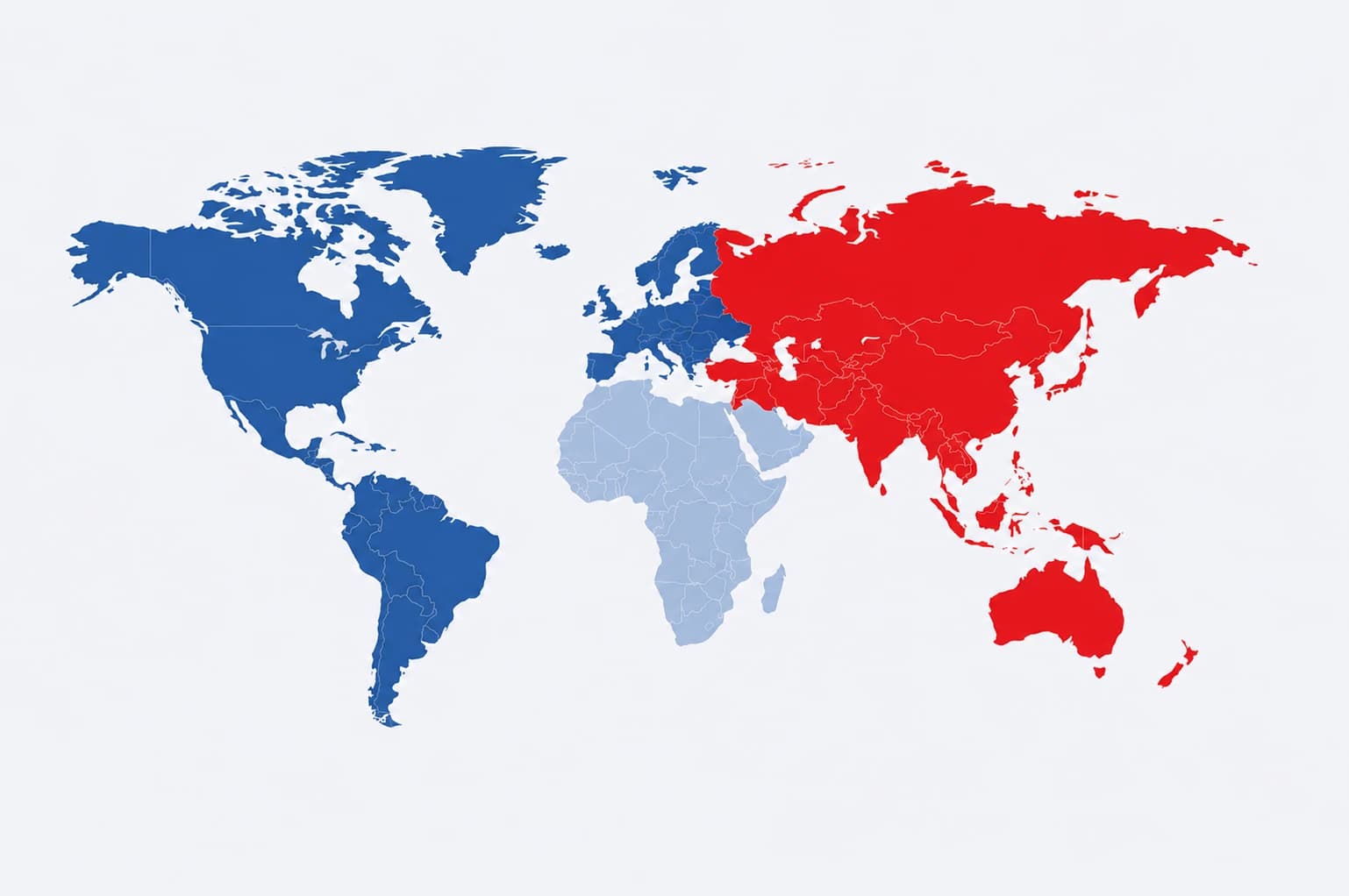
Chapter 5 & 6: Sales, revenue of Photovoltaic Film Material in regional level and country level. It provides a quantitative analysis of the market size and development potential of each region and its main countries and introduces the market development, future development prospects, market space, and market size of each country in the world.
Chapter 7: Provides the analysis of various market segments by Type, covering the market size and development potential of each market segment, to help readers find the blue ocean market in different market segments.
Chapter 8: Provides the analysis of various market segments by Application, covering the market size and development potential of each market segment, to help readers find the blue ocean market in different downstream markets.
Chapter 9: Analysis of industrial chain, including the upstream and downstream of the industry.
Chapter 10: The main points and conclusions of the report.
- ★ What Is The Overall Market Size And Projected Growth Rate Across Global And Regional Segments?
- ★ How Does The Market Size And Growth Outlook Vary Across Major Countries?
- ★ Which Region Or Market Sub-Segment Is Anticipated To Dominate Growth During The Forecast Period?
- ★ What Are The Primary Factors Expected To Drive Market Expansion, And What Challenges May Restrain Growth?
- ★ Which Emerging Technologies And Market Trends Are Shaping The Future Landscape?
- ★ What Are The Most Significant Opportunities Available In The Market?
- ★ Who Are The Leading Manufacturers Actively Participating In The Global Market?
- ★ Which Company Currently Holds The Largest Share Of The Market?
- ★ What Are The Potential Growth Avenues For New Entrants In The Global Market?