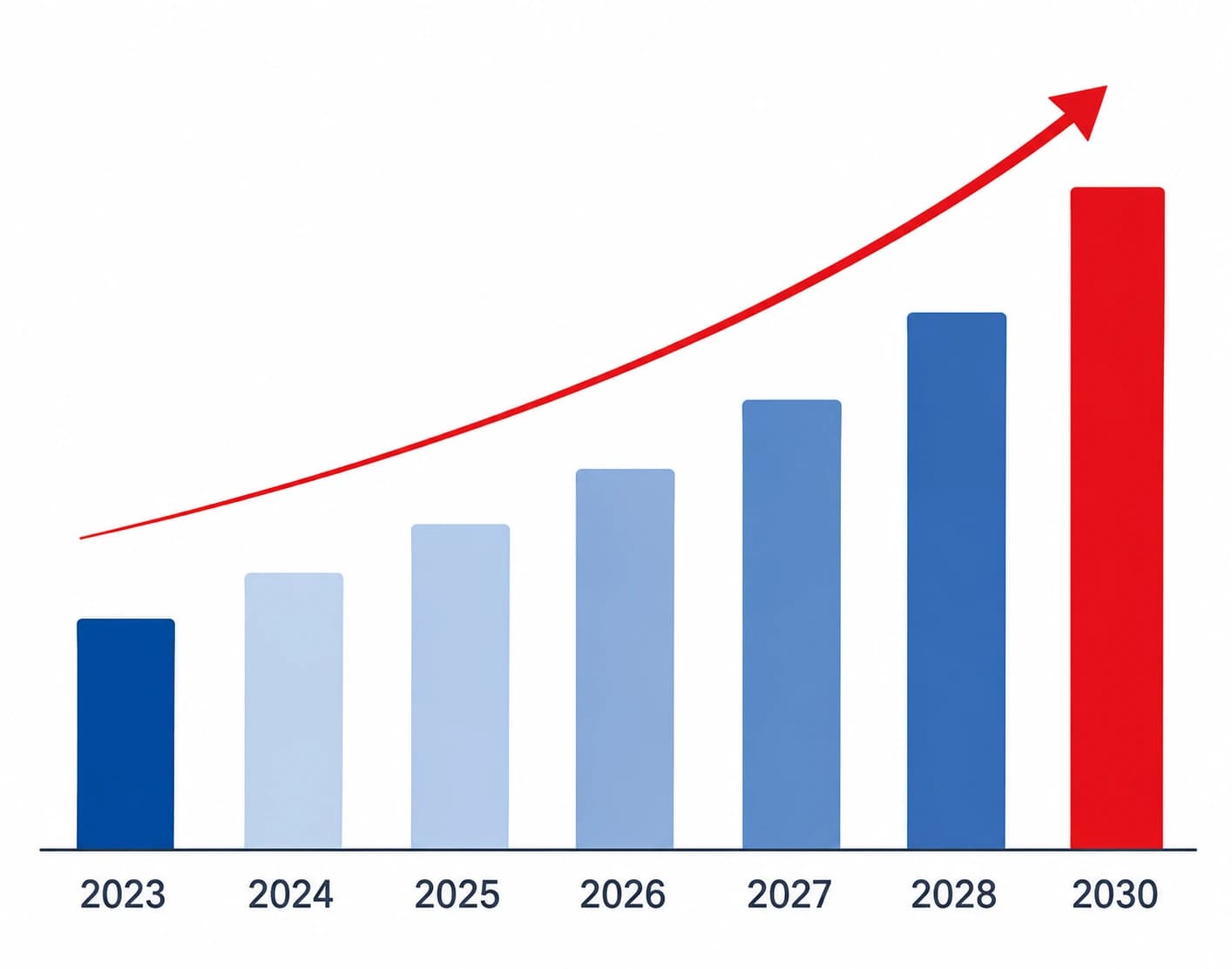
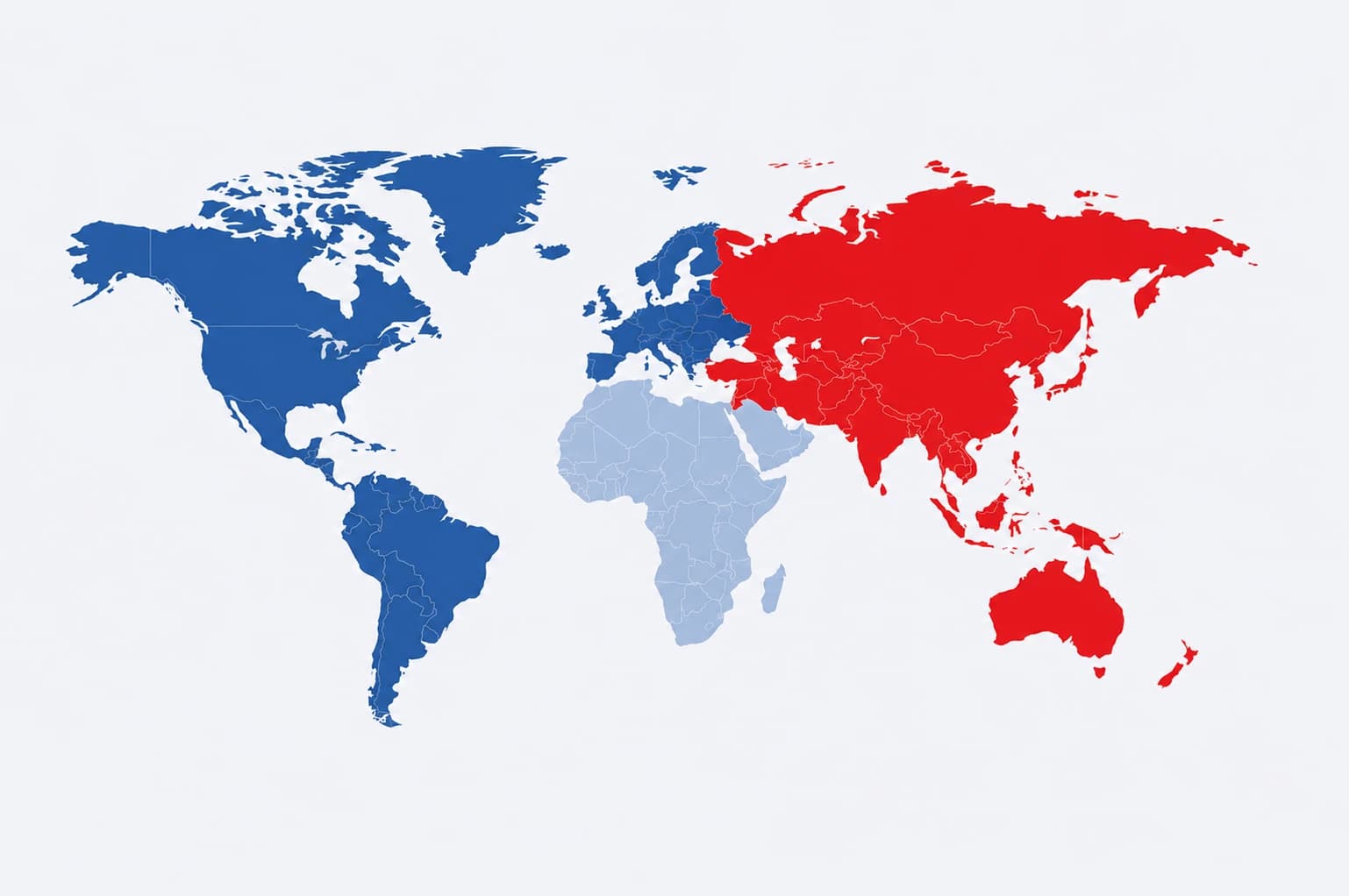
The global market for Hat Embroidery Machine was estimated to be worth US$ 270 million in 2025 and is projected to reach US$ 317 million, growing at a CAGR of 2.3% from 2026 to 2032.
The potential shifts in the 2025 U.S. tariff framework pose substantial volatility risks to global markets. This report provides a comprehensive assessment of recent tariff adjustments and international strategic countermeasures on Hat Embroidery Machine cross-border industrial footprints, capital allocation patterns, regional economic interdependencies, and supply chain reconfigurations.
Hat Embroidery Machine is a special computer-controlled embroidery equipment independently optimized and designed for curved hat surface processing, equipped with exclusive adjustable hat clamping fixtures and curved surface auxiliary positioning mechanisms. It can stably complete logo, pattern, letter and decorative embroidery on various types of hat bodies, effectively adapt to the radian characteristics of different hat shapes, ensure neat stitch arrangement and consistent embroidery effect, and is widely applicable to mass industrial production and personalized customized embroidery processing of various headwear products.
In 2025, global Hat Embroidery Machine production reached approximately 87,097 units, with an average global market price of around US$ 3,100 per unit. The production capacity of Hat Embroidery Machine is approximately 110 K units per year, the average gross profit margin was 28-31%.
The upstream industrial chain covers raw material suppliers such as high-strength metal plates and cast iron parts, core component manufacturers including servo motors, linear guide rails, needle bar assemblies and embedded control mainboards, as well as supporting suppliers of embroidery design software, special embroidery threads and wearing parts. Finishing manufacturers carry out mechanical processing, overall assembly, program debugging and strict performance testing to produce qualified finished equipment. The downstream market is mainly connected with large-scale hat manufacturing factories, clothing supporting processing enterprises, personalized customized gift processing merchants and small offline embroidery workshops, and extends to equipment dealers, leasing institutions, after-sales maintenance service providers and long-term stable supply of consumable accessories to form a complete industrial circulation system.
The overall production cost of hat embroidery machines is mainly composed of core electronic control systems and high-precision transmission parts, which occupy the largest proportion of the total cost. Followed by body frame processing cost, structural die sinking cost and production assembly labor cost. In addition, it also includes product technology research and development iteration cost, factory internal quality inspection cost, finished product packaging and logistics circulation cost, market brand promotion and channel distribution cost, as well as reserved after-sales maintenance service cost and spare parts inventory reserve cost. High-end intelligent models will also increase the cost proportion of intelligent recognition and automatic positioning modules.
This report provides a comprehensive view of the global market for Hat Embroidery Machine, covering total sales volume, sales revenue, pricing, the market share and ranking of key companies, along with analyses by region & country, by Type, and by Application.
The Hat Embroidery Machine market size, estimations, and forecasts are presented in terms of sales volume (Units) and revenue ($ millions), with 2025 as the base year and historical and forecast data from 2021 to 2032. The report combines quantitative and qualitative analysis to help readers develop growth strategies, assess the competitive landscape, evaluate their position in the current marketplace, and make informed business decisions regarding Hat Embroidery Machine.
Chapter 1: Introduces the scope of the report and the global market size (value, volume, and price). It also summarizes market dynamics and Recent Developments; identifies key drivers and restraints; outlines challenges and risks for manufacturers; reviews relevant industry policies and U.S. tariff implications.
Chapter 2: Provides a detailed analysis of the Hat Embroidery Machine manufacturers' competitive landscape—including pricing, sales and revenue shares, Recent Developments plans, and mergers and acquisitions (M&A).
Chapter 3: Analyzes market segmentation by Type, presenting the size and growth potential of each segment to help readers identify blue-ocean opportunities.
Chapter 4: Analyzes market segmentation by Application, presenting the size and growth potential of each downstream segment to help readers identify blue-ocean opportunities.
Chapter 5: Presents Hat Embroidery Machine sales and revenue at the regional level. It offers a quantitative assessment of market size and growth potential by region and summarizes market development, future prospects, addressable space, and country-level market size worldwide.
Chapter 6: Presents Hat Embroidery Machine sales and revenue at the country level. It provides segmented data by Type and by Application for each country/region.
Chapter 7: Profiles key players, detailing the main companies' product sales, revenue, pricing, gross margin, product portfolios, Recent Developments, etc.
Chapter 8: Analyzes the industry value chain, including upstream suppliers and downstream applications/customers.
- ★ What Is The Overall Market Size And Projected Growth Rate Across Global And Regional Segments?
- ★ How Does The Market Size And Growth Outlook Vary Across Major Countries?
- ★ Which Region Or Market Sub-Segment Is Anticipated To Dominate Growth During The Forecast Period?
- ★ What Are The Primary Factors Expected To Drive Market Expansion, And What Challenges May Restrain Growth?
- ★ Which Emerging Technologies And Market Trends Are Shaping The Future Landscape?
- ★ What Are The Most Significant Opportunities Available In The Market?
- ★ Who Are The Leading Manufacturers Actively Participating In The Global Market?
- ★ Which Company Currently Holds The Largest Share Of The Market?
- ★ What Are The Potential Growth Avenues For New Entrants In The Global Market?