Ambulatory Electrocardiography (ECG) is portable medical devices used to continuously record a patient's heart activity, typically over a period of 24 to 48 hours, though extended monitoring can last up to several days. These devices consist of small electrodes attached to the skin, which are connected to a compact, wearable recorder. The Holter monitor tracks the electrical signals of the heart, allowing physicians to detect irregular heart rhythms (arrhythmias), assess the effectiveness of treatments, and diagnose conditions like atrial fibrillation or ischemia. Unlike a standard electrocardiogram (ECG), which only provides a brief snapshot of heart activity, Holter monitoring captures real-time data over an extended period during a patient’s normal daily activities.
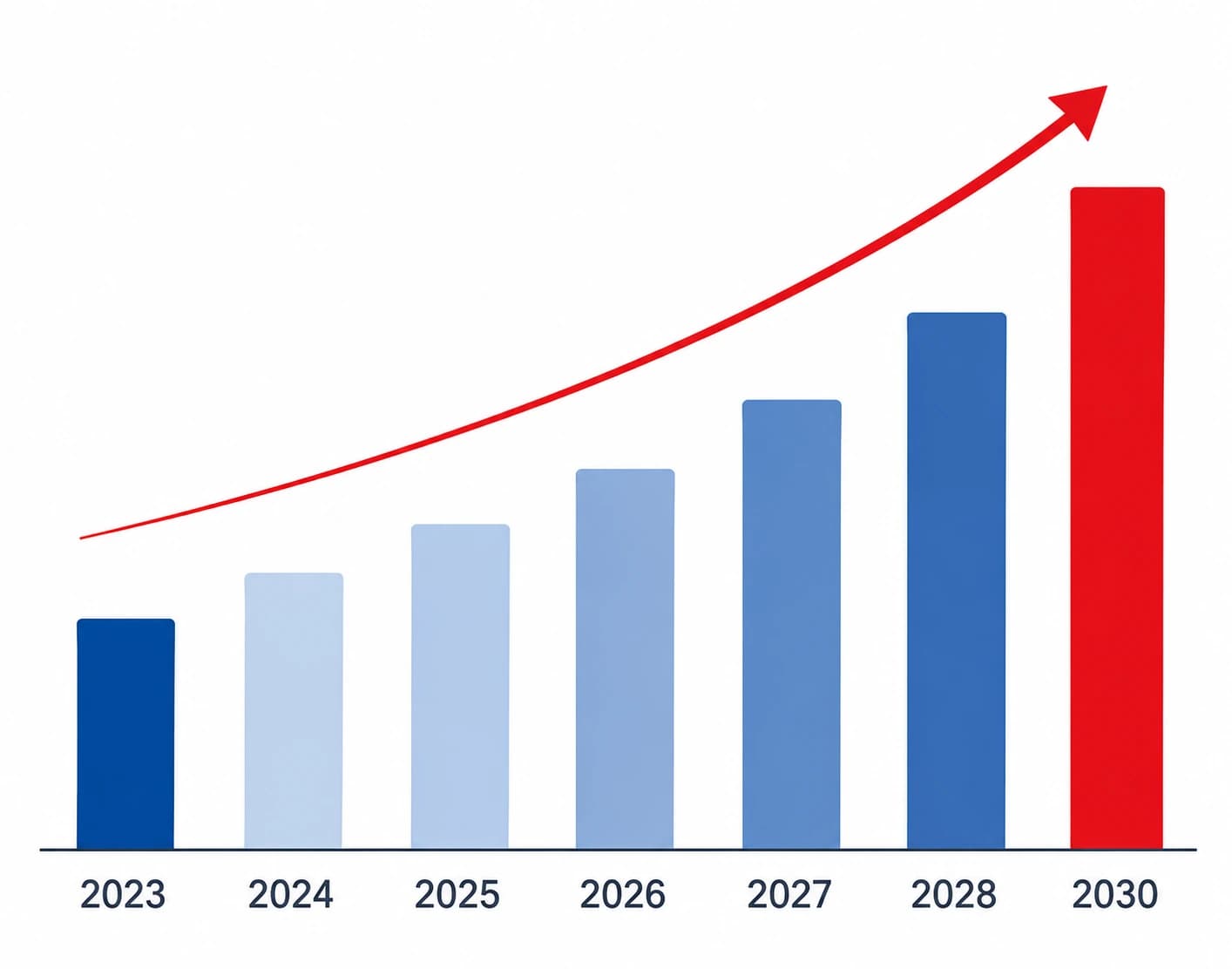
The global Ambulatory Electrocardiography (ECG) market was valued at US$ 624 million in 2023 and is anticipated to reach US$ 1078 million by 2030, witnessing a CAGR of 8.5% during the forecast period 2024-2030.
Key Drivers of the Ambulatory Electrocardiography (ECG) Market:
Increasing Prevalence of Cardiac Disorders: Rising rates of heart diseases and conditions like arrhythmias drive demand for Holter monitoring to enable accurate diagnosis and management.
Technological Advancements: Innovations in wearable technology and data analytics enhance the functionality and accuracy of Holter monitors, making them more appealing to healthcare providers.
Growing Awareness of Preventive Healthcare: An emphasis on early detection and preventive measures in healthcare encourages patients and doctors to utilize Holter monitors for routine cardiac assessment.
Patient Convenience: Holter monitoring allows patients to carry out their daily activities while being monitored, improving adherence and patient satisfaction.
Support from Healthcare Systems: Increased support and integration of telehealth solutions within healthcare systems promote the use of Holter monitors for remote patient monitoring.
Key Challenges in the Ambulatory Electrocardiography (ECG) Market:
High Costs: The initial investment and ongoing costs associated with purchasing and maintaining Ambulatory Electrocardiography (ECG) can be significant for healthcare facilities.
Data Management Issues: Handling and analyzing large volumes of data generated by Holter monitors can be challenging, requiring robust software solutions and skilled personnel.
Patient Compliance: Some patients may find it uncomfortable to wear the monitor for extended periods, leading to potential issues with data completeness and accuracy.
Regulatory Hurdles: Navigating the regulatory landscape for medical devices can delay product approvals and market entry.
Competition from Alternative Technologies: The emergence of other cardiac monitoring technologies, such as implantable monitors and smartphone-based ECGs, poses competition to traditional Holter systems.
Global Ambulatory Electrocardiography (ECG) key players include GE Healthcare, Baxter, Philips Healthcare, Spacelabs Healthcare, Applied Cardiac Systems, etc. Global top five manufacturers hold a share about 50%. North America is the largest market, with a share over 40%.
This report aims to provide a comprehensive presentation of the global market for Ambulatory Electrocardiography (ECG), with both quantitative and qualitative analysis, to help readers develop business/growth strategies, assess the market competitive situation, analyze their position in the current marketplace, and make informed business decisions regarding Ambulatory Electrocardiography (ECG).
The Ambulatory Electrocardiography (ECG) market size, estimations, and forecasts are provided in terms of revenue ($ millions), considering 2023 as the base year, with history and forecast data for the period from 2019 to 2030. This report segments the global Ambulatory Electrocardiography (ECG) market comprehensively. Regional market sizes, concerning products by Type, by Application, and by players, are also provided.
For a more in-depth understanding of the market, the report provides profiles of the competitive landscape, key competitors, and their respective market ranks. The report also discusses technological trends and new product developments.
The report will help the Ambulatory Electrocardiography (ECG) manufacturers, new entrants, and industry chain related companies in this market with information on the revenues for the overall market and the sub-segments across the different segments, by company, by Type, by Application, and by regions.
Chapter 1: Introduces the report scope of the report, executive summary of different market segments (by region, product type, application, etc), including the market size of each market segment, future development potential, and so on. It offers a high-level view of the current state of the market and its likely evolution in the short to mid-term, and long term.
Chapter 2: key insights, key emerging trends, etc.
Chapter 3: Manufacturers competitive analysis, detailed analysis of Ambulatory Electrocardiography (ECG) manufacturers competitive landscape, revenue market share, latest development plan, merger, and acquisition information, etc.
Chapter 4: Provides profiles of key players, introducing the basic situation of the main companies in the market in detail, including product revenue, gross margin, product introduction, recent development, etc.
Chapter 5 & 6: Revenue of Ambulatory Electrocardiography (ECG) in regional level and country level. It provides a quantitative analysis of the market size and development potential of each region and its main countries and introduces the market development, future development prospects, market space, and market size of each country in the world.
Chapter 7: Provides the analysis of various market segments by Type, covering the market size and development potential of each market segment, to help readers find the blue ocean market in different market segments.
Chapter 8: Provides the analysis of various market segments by Application, covering the market size and development potential of each market segment, to help readers find the blue ocean market in different downstream markets.
Chapter 9: Analysis of industrial chain, including the upstream and downstream of the industry.
Chapter 10: The main points and conclusions of the report.
- ★ What Is The Overall Market Size And Projected Growth Rate Across Global And Regional Segments?
- ★ How Does The Market Size And Growth Outlook Vary Across Major Countries?
- ★ Which Region Or Market Sub-Segment Is Anticipated To Dominate Growth During The Forecast Period?
- ★ What Are The Primary Factors Expected To Drive Market Expansion, And What Challenges May Restrain Growth?
- ★ Which Emerging Technologies And Market Trends Are Shaping The Future Landscape?
- ★ What Are The Most Significant Opportunities Available In The Market?
- ★ Who Are The Leading Manufacturers Actively Participating In The Global Market?
- ★ Which Company Currently Holds The Largest Share Of The Market?
- ★ What Are The Potential Growth Avenues For New Entrants In The Global Market?