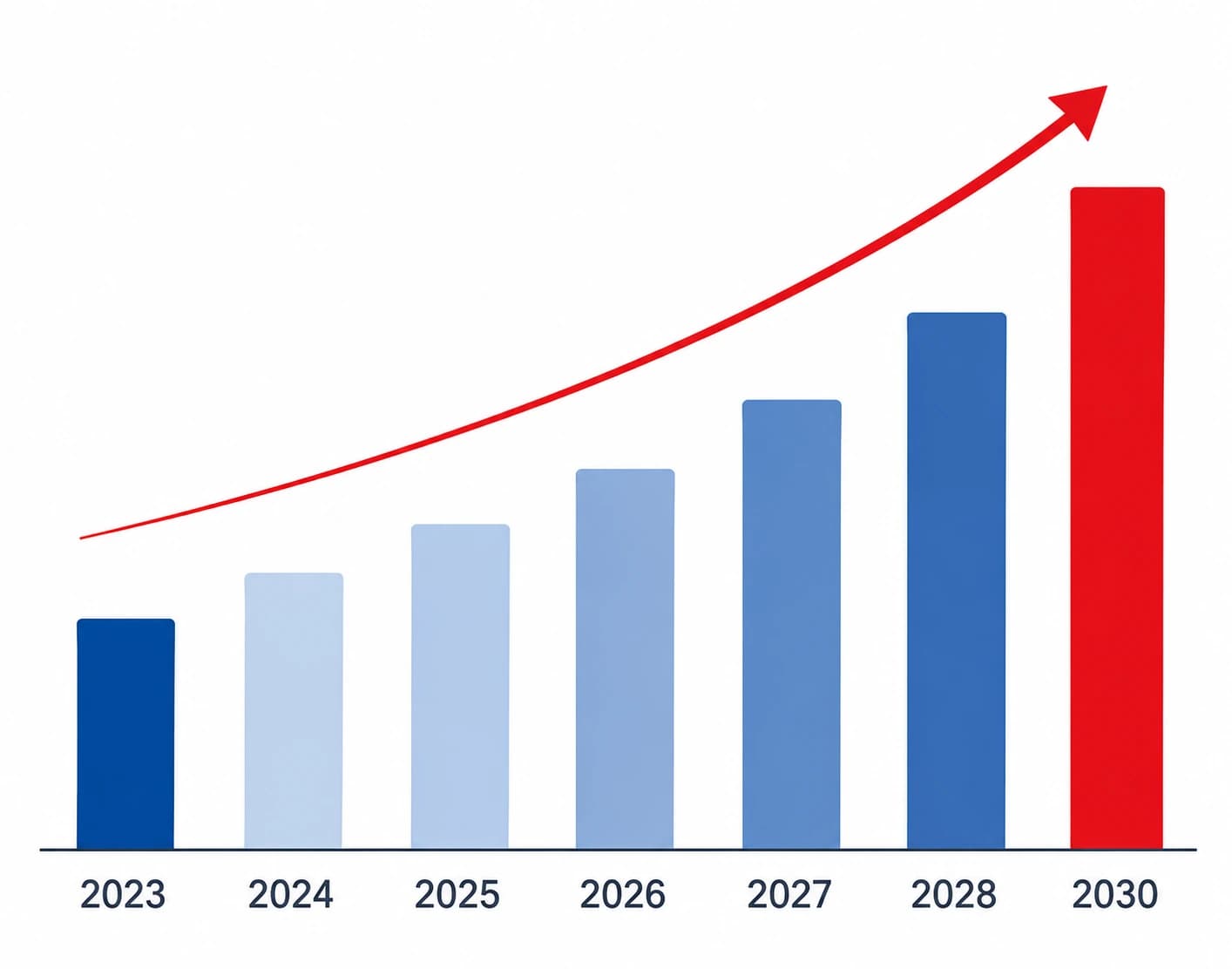
The global Parts Cleaning Equipment market was valued at US$ 999 million in 2025 and is anticipated to reach US$ 1611 million by 2032, witnessing a CAGR of 7.2% during the forecast period 2026-2032.
Parts Cleaning Equipment refers to industrial machines and systems used to remove manufacturing contaminants such as oils, greases, chips, swarf, and residues from components so they can proceed to inspection, assembly, coating, heat treatment, bonding, or packaging. It includes cleaning technologies such as spray cleaning, immersion cleaning, and ultrasonic cleaning, and may be implemented as standalone cabinet units, multi stage cells, or integrated in line systems with drying and process monitoring to deliver repeatable cleanliness outcomes. The unit price of part cleaning equipment typically ranges from tens of thousands of US dollars, with an industry gross profit margin between 25% and 40%.
Upstream, manufacturers source stainless steel and fabricated enclosures, pumps, valves, heaters, manifolds, nozzles, seals, sensors, PLC and HMI controls, filtration and oil separation modules, ultrasonic transducers where applicable, and cleaning chemistry such as detergents and solvent media, then add engineering design, assembly, calibration, and process validation services. Downstream, systems are sold directly and through industrial distributors and integrators into machining and manufacturing sites that need defined cleanliness before subsequent processes, with common use across precision component production and maintenance environments where stable cleaning methods reduce rework and quality escapes. After installation, recurring revenue is shaped by service, spare parts, filters, chemistry, and process support that keeps cleaning performance consistent over long duty cycles.
Parts Cleaning Equipment is a steady, specification driven market that benefits from rising cleanliness requirements in modern manufacturing and the need to control downstream yield and reliability. Demand is closely tied to machining and assembly activity, but the more durable growth drivers come from tighter particulate and film contamination limits, more complex part geometries, and the push toward repeatable, auditable processes. Technology direction continues to favor higher process control through better filtration, oil separation, drying, and integrated handling, while media choices increasingly balance performance with environmental and operational constraints, including the shift between water based cleaning and solvent based approaches depending on contaminant type and required cleanliness level.
This report aims to provide a comprehensive presentation of the global market for Parts Cleaning Equipment, with both quantitative and qualitative analysis, to help readers develop business/growth strategies, assess the market competitive situation, analyze their position in the current marketplace, and make informed business decisions regarding Parts Cleaning Equipment.
The Parts Cleaning Equipment market size, estimations, and forecasts are provided in terms of sales quantity (K Units) and revenue ($ millions), considering 2025 as the base year, with history and forecast data for the period from 2021 to 2032. This report segments the global Parts Cleaning Equipment market comprehensively. Regional market sizes, concerning products by Type, by Application, and by players, are also provided.
For a more in-depth understanding of the market, the report provides profiles of the competitive landscape, key competitors, and their respective market ranks. The report also discusses technological trends and new product developments.
The report will help the Parts Cleaning Equipment manufacturers, new entrants, and industry chain related companies in this market with information on the revenues, sales, and average price for the overall market and the sub-segments across the different segments, by company, by Type, by Application, and by regions.
Chapter 1: Introduces the report scope of the report, executive summary of different market segments (by region, product type, application, etc), including the market size of each market segment, future development potential, and so on. It offers a high-level view of the current state of the market and its likely evolution in the short to mid-term, and long term.
Chapter 2: key insights, key emerging trends, etc.
Chapter 3: Manufacturers competitive analysis, detailed analysis of Parts Cleaning Equipment manufacturers competitive landscape, price, sales and revenue market share, latest development plan, merger, and acquisition information, etc.
Chapter 4: Provides profiles of key players, introducing the basic situation of the main companies in the market in detail, including product sales, revenue, price, gross margin, product introduction, recent development, etc.
Chapter 5 & 6: Sales, revenue of Parts Cleaning Equipment in regional level and country level. It provides a quantitative analysis of the market size and development potential of each region and its main countries and introduces the market development, future development prospects, market space, and market size of each country in the world.
Chapter 7: Provides the analysis of various market segments by Type, covering the market size and development potential of each market segment, to help readers find the blue ocean market in different market segments.
Chapter 8: Provides the analysis of various market segments by Application, covering the market size and development potential of each market segment, to help readers find the blue ocean market in different downstream markets.
Chapter 9: Analysis of industrial chain, including the upstream and downstream of the industry.
Chapter 10: The main points and conclusions of the report.
- ★ What Is The Overall Market Size And Projected Growth Rate Across Global And Regional Segments?
- ★ How Does The Market Size And Growth Outlook Vary Across Major Countries?
- ★ Which Region Or Market Sub-Segment Is Anticipated To Dominate Growth During The Forecast Period?
- ★ What Are The Primary Factors Expected To Drive Market Expansion, And What Challenges May Restrain Growth?
- ★ Which Emerging Technologies And Market Trends Are Shaping The Future Landscape?
- ★ What Are The Most Significant Opportunities Available In The Market?
- ★ Who Are The Leading Manufacturers Actively Participating In The Global Market?
- ★ Which Company Currently Holds The Largest Share Of The Market?
- ★ What Are The Potential Growth Avenues For New Entrants In The Global Market?