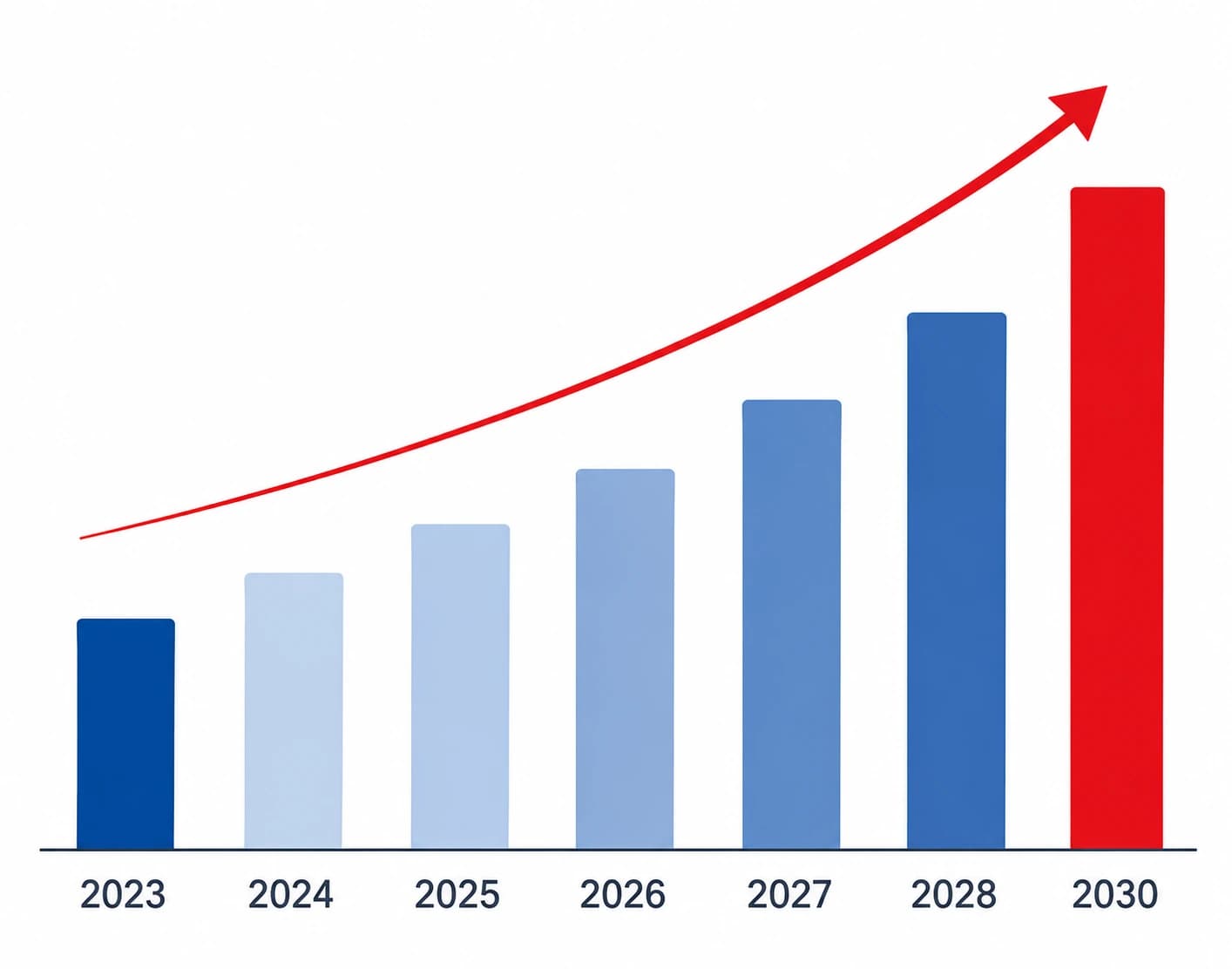
The global EtherCAT Slave Controller IC market was valued at US$ 298 million in 2025 and is anticipated to reach US$ 1281 million by 2032, witnessing a CAGR of 23.5% during the forecast period 2026-2032.
EtherCAT slave controller IC (ESC) is an integrated circuit designed for high-speed real-time communication of EtherCAT protocol. It integrates physical layer and data link layer functions, supports distributed clock synchronization (±100ns accuracy), multi-master architecture and On-The-Fly data transmission, and is widely used in industrial automation (such as servo drive, PLC), robots (joint control, collaborative robots), CNC machine tools and new energy equipment (photovoltaic inverters). Combined with the global EtherCAT market sales of approximately US$3.5 billion in 2023 (expected to reach US$5 billion in 2025, CAGR 20%) and ESC chips account for about 5%-8% of the system cost (the cost of a single device is about US$50-200), and referring to the growth in demand for industrial automation, new energy vehicles and smart manufacturing (China's EtherCAT market growth rate exceeds 25%), the ESC market size is expected to be in the range of US$180-250 million in 2024. In the next three years, it will benefit from Industry 4.0 (global investment increases by 15% annually), humanoid robots (shipments in 2025 will exceed 200,000 units) and edge computing (demand for real-time control nodes doubles), and is expected to exceed US$300 million in 2025.
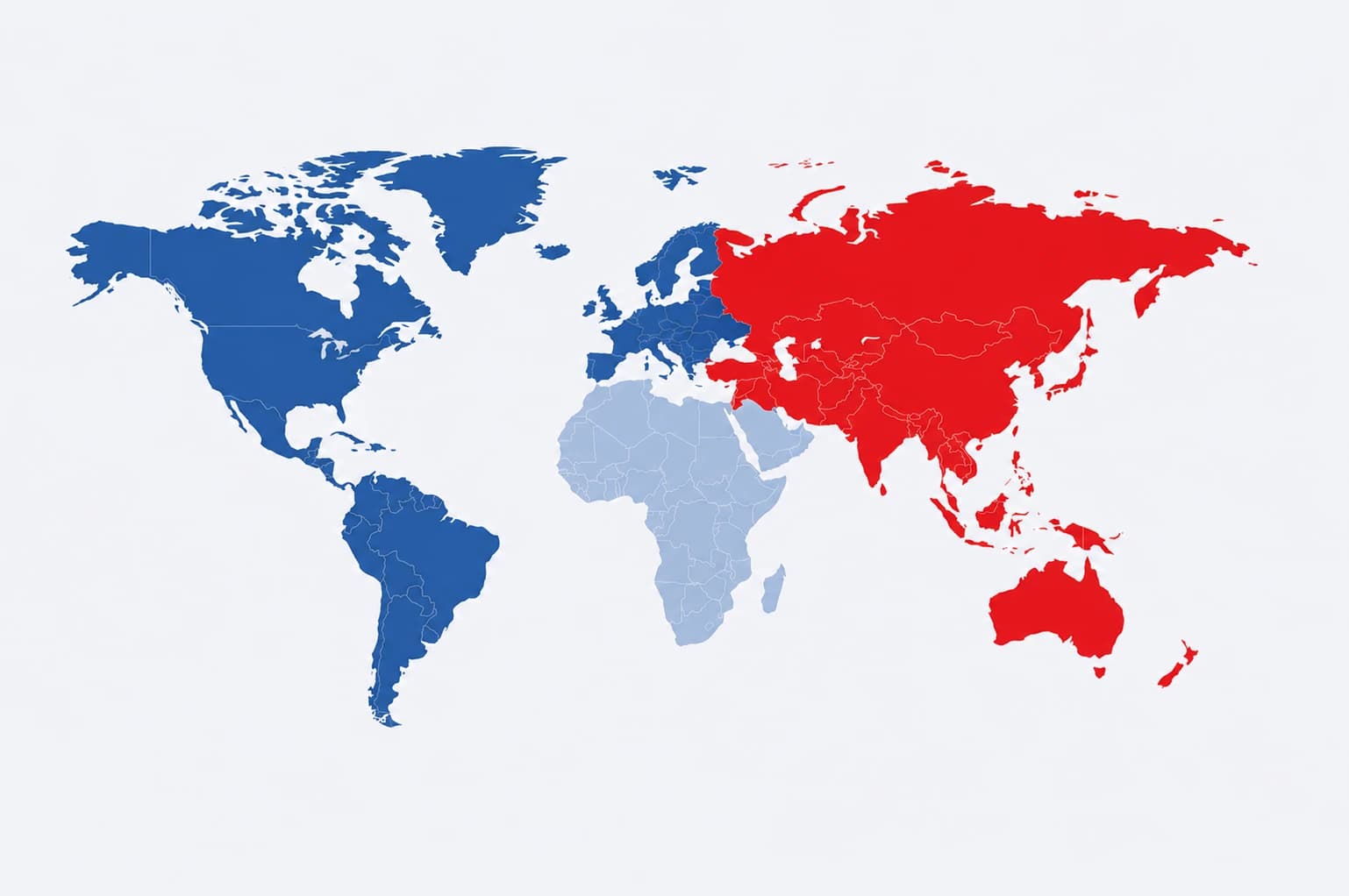
North American market for EtherCAT Slave Controller IC is estimated to increase from $ million in 2025 to reach $ million by 2032, at a CAGR of % during the forecast period of 2026 through 2032.
Asia-Pacific market for EtherCAT Slave Controller IC is estimated to increase from $ million in 2025 to reach $ million by 2032, at a CAGR of % during the forecast period of 2026 through 2032.
The major global manufacturers of EtherCAT Slave Controller IC include ASIX Electronics, ADI, TI, NXP, Microchip, Renesas, Infineon, Hilscher, Macnica, Beckhoff, etc. In 2025, the world's top three vendors accounted for approximately % of the revenue.
This report aims to provide a comprehensive presentation of the global market for EtherCAT Slave Controller IC, with both quantitative and qualitative analysis, to help readers develop business/growth strategies, assess the market competitive situation, analyze their position in the current marketplace, and make informed business decisions regarding EtherCAT Slave Controller IC.
The EtherCAT Slave Controller IC market size, estimations, and forecasts are provided in terms of sales quantity (K Units) and revenue ($ millions), considering 2025 as the base year, with history and forecast data for the period from 2021 to 2032. This report segments the global EtherCAT Slave Controller IC market comprehensively. Regional market sizes, concerning products by Type, by Application, and by players, are also provided.
For a more in-depth understanding of the market, the report provides profiles of the competitive landscape, key competitors, and their respective market ranks. The report also discusses technological trends and new product developments.
The report will help the EtherCAT Slave Controller IC manufacturers, new entrants, and industry chain related companies in this market with information on the revenues, sales, and average price for the overall market and the sub-segments across the different segments, by company, by Type, by Application, and by regions.
Chapter 1: Introduces the report scope of the report, executive summary of different market segments (by region, product type, application, etc), including the market size of each market segment, future development potential, and so on. It offers a high-level view of the current state of the market and its likely evolution in the short to mid-term, and long term.
Chapter 2: key insights, key emerging trends, etc.
Chapter 3: Manufacturers competitive analysis, detailed analysis of EtherCAT Slave Controller IC manufacturers competitive landscape, price, sales and revenue market share, latest development plan, merger, and acquisition information, etc.
Chapter 4: Provides profiles of key players, introducing the basic situation of the main companies in the market in detail, including product sales, revenue, price, gross margin, product introduction, recent development, etc.
Chapter 5 & 6: Sales, revenue of EtherCAT Slave Controller IC in regional level and country level. It provides a quantitative analysis of the market size and development potential of each region and its main countries and introduces the market development, future development prospects, market space, and market size of each country in the world.
Chapter 7: Provides the analysis of various market segments by Type, covering the market size and development potential of each market segment, to help readers find the blue ocean market in different market segments.
Chapter 8: Provides the analysis of various market segments by Application, covering the market size and development potential of each market segment, to help readers find the blue ocean market in different downstream markets.
Chapter 9: Analysis of industrial chain, including the upstream and downstream of the industry.
Chapter 10: The main points and conclusions of the report.
- ★ What Is The Overall Market Size And Projected Growth Rate Across Global And Regional Segments?
- ★ How Does The Market Size And Growth Outlook Vary Across Major Countries?
- ★ Which Region Or Market Sub-Segment Is Anticipated To Dominate Growth During The Forecast Period?
- ★ What Are The Primary Factors Expected To Drive Market Expansion, And What Challenges May Restrain Growth?
- ★ Which Emerging Technologies And Market Trends Are Shaping The Future Landscape?
- ★ What Are The Most Significant Opportunities Available In The Market?
- ★ Who Are The Leading Manufacturers Actively Participating In The Global Market?
- ★ Which Company Currently Holds The Largest Share Of The Market?
- ★ What Are The Potential Growth Avenues For New Entrants In The Global Market?