Non-therapeutic antibiotics are administered at sub therapeutic levels in order to increase feed conversion rate. In order to have better margins livestock farmers administer the antibiotics in very low quantity through water especially in poultry and swine. Compound feed manufacturers and feed premix manufacturers are also adding antibiotics to make sure, their feed and ingredients give maximum profit to its buyers. However, such practice has led to development of antibiotic resistant pathogens and hence are being banned in many countries and also controversy on its uses are increasing progressively. Thus the growth of antibiotics in many countries are being plateaued out and in others growth may prematurely can plateaued or even drastically fall.
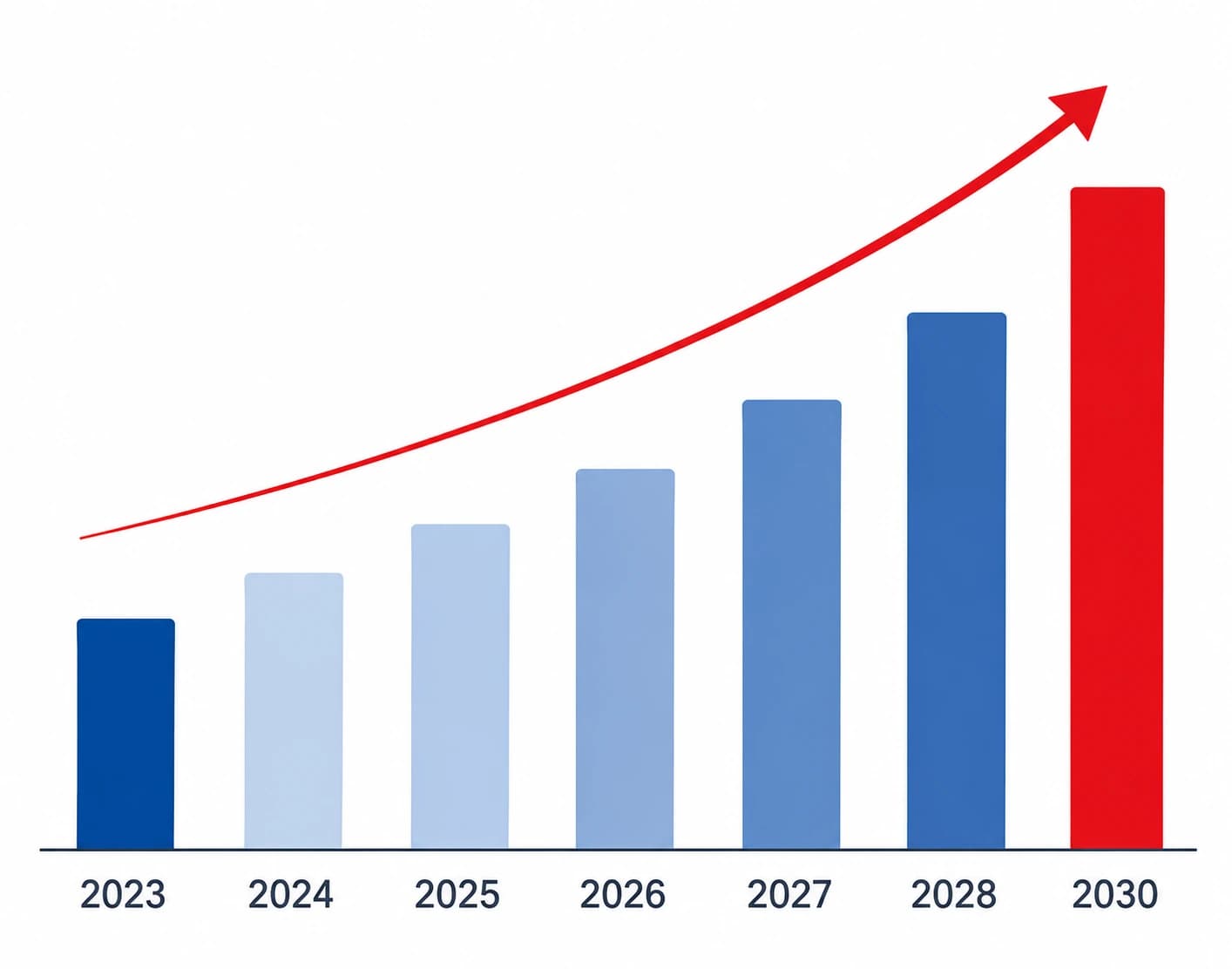
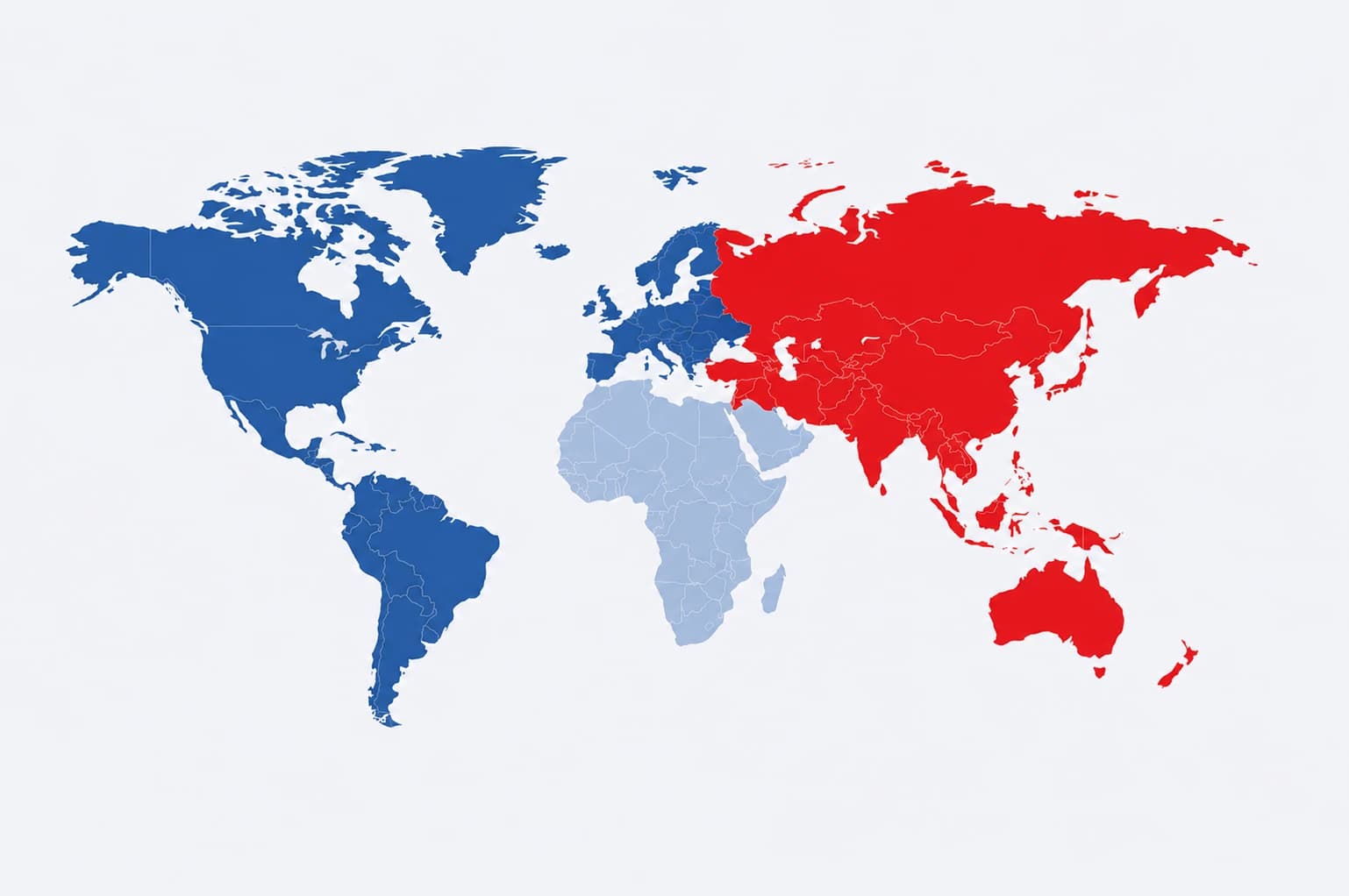
According to our latest report, the global market for Non-Therapeutic Antibiotics for Food Animals should grow from US$ million in 2023 to US$ million by 2030, with a CAGR of % for the period of 2024-2030. While India market for Non-Therapeutic Antibiotics for Food Animals is estimated to increase from US$ million in 2023 to US$ million by 2030, at a CAGR of % from 2024 through 2030. By country, India accounted for percent of the global market in 2023 and Indian market share will reach percent in 2030.
In the vast global economic landscape, India stands out with its rapid rise and unwavering determination to pursue new heights. With its rich cultural heritage and a population of over 1.4 billion, India has become an economic powerhouse, constantly showcasing its strength on the global stage. India, with its strong economic foundation, strong domestic demand, cautious financial management, high savings rate, and favorable population trends, has become the fifth largest economy in the world in terms of GDP. The country's major economic contributors are traditional and modern agriculture, technology services, the handicraft industry, and business outsourcing.
This report studies and analyses global and India Non-Therapeutic Antibiotics for Food Animals status and future trends, helps the client to determine the Non-Therapeutic Antibiotics for Food Animals market size of the total market opportunity by Type, by Application, by company, and by region & country. This report is a detailed and comprehensive analysis of the world market for Non-Therapeutic Antibiotics for Food Animals, and provides market size (in K Units & US$ million) and Year-over-Year growth, considering 2023 as the base year.
For a more in-depth understanding of the market, the report provides profiles of the competitive landscape, key competitors, and their respective market ranks. The report also discusses technological trends and new product developments.
To assess the competitive environment within the market including supplier revenue, market share, and company profiles.
(1) Global Non-Therapeutic Antibiotics for Food Animals sales & revenue, history data 2019-2024, and forecast data 2025-2030, (US$ million) & (K Units)
(2) India Non-Therapeutic Antibiotics for Food Animals sales & revenue, history data 2019-2024, and forecast data 2025-2030, (US$ million) & (K Units)
(3) Global Non-Therapeutic Antibiotics for Food Animals production, history data 2019-2024, and forecast data 2025-2030, (K Units)
(4) India Non-Therapeutic Antibiotics for Food Animals production, history data 2019-2024, and forecast data 2025-2030, (K Units)
(5) Global Non-Therapeutic Antibiotics for Food Animals sales, revenue, price by company, market share and industry ranking 2019-2024, (US$ million) & (K Units)
(6) India Non-Therapeutic Antibiotics for Food Animals sales, revenue, price by company, market share and industry ranking 2019-2024, (US$ million) & (K Units)
(7) Global Non-Therapeutic Antibiotics for Food Animals sales, revenue, price by region, 2019-2024, (US$ million) & (K Units)
(8) India Non-Therapeutic Antibiotics for Food Animals sales, production, export & import, market demand and development opportunities
(9) Non-Therapeutic Antibiotics for Food Animals industry chains, upstream, midstream and downstream
(10) Global production of Non-Therapeutic Antibiotics for Food Animals by region, 2025-2030, (K Units)
(11) Company profile, SWOT analysis and selected customer name List, etc.
Chapter 1: Introduces Non-Therapeutic Antibiotics for Food Animals definition, global sales (volume and revenue), India market size, India percentage in global market. This section also introduces the market dynamics, latest developments of the market, the driving factors and restrictive factors of the market, the challenges and risks faced by companies in the industry, and the analysis of relevant policies in the industry.
Chapter 2: Non-Therapeutic Antibiotics for Food Animals production/output of global and key producers (regions/countries). It provides a quantitative analysis of the production, and development potential of each producer in the next six years.
Chapter 3: Provides the analysis of various market segments by Type, covering the volume, price, revenue, and development potential of each market segment, to help readers find the blue ocean market in different market segments.
Chapter 4: Provides the analysis of various market segments by Application, covering the revenue, price, volume, and development potential of each market segment, to help readers find the blue ocean market in different downstream markets.
Chapter 5: Global market share of Non-Therapeutic Antibiotics for Food Animals.
Chapter 6: India market share of Non-Therapeutic Antibiotics for Food Animals.
Chapter 7: Revenue and volume of Non-Therapeutic Antibiotics for Food Animals in global and regional level. It provides a quantitative analysis of the market size and development potential of each region and introduces the market development, future development prospects, market space, and capacity of each country in the world.
Chapter 8: Provides profiles of key companies, introducing the basic situation of the main companies in the market in detail, including product descriptions and specifications, Non-Therapeutic Antibiotics for Food Animals sales, revenue, gross margin, SWOT and recent development, selected customer name List, etc.
Chapter 9: Analysis of industrial chain, sales channel, key raw materials, distributors, and customers.
Chapter 10: Research findings and conclusion
- ★ What Is The Overall Market Size And Projected Growth Rate Across Global And Regional Segments?
- ★ How Does The Market Size And Growth Outlook Vary Across Major Countries?
- ★ Which Region Or Market Sub-Segment Is Anticipated To Dominate Growth During The Forecast Period?
- ★ What Are The Primary Factors Expected To Drive Market Expansion, And What Challenges May Restrain Growth?
- ★ Which Emerging Technologies And Market Trends Are Shaping The Future Landscape?
- ★ What Are The Most Significant Opportunities Available In The Market?
- ★ Who Are The Leading Manufacturers Actively Participating In The Global Market?
- ★ Which Company Currently Holds The Largest Share Of The Market?
- ★ What Are The Potential Growth Avenues For New Entrants In The Global Market?