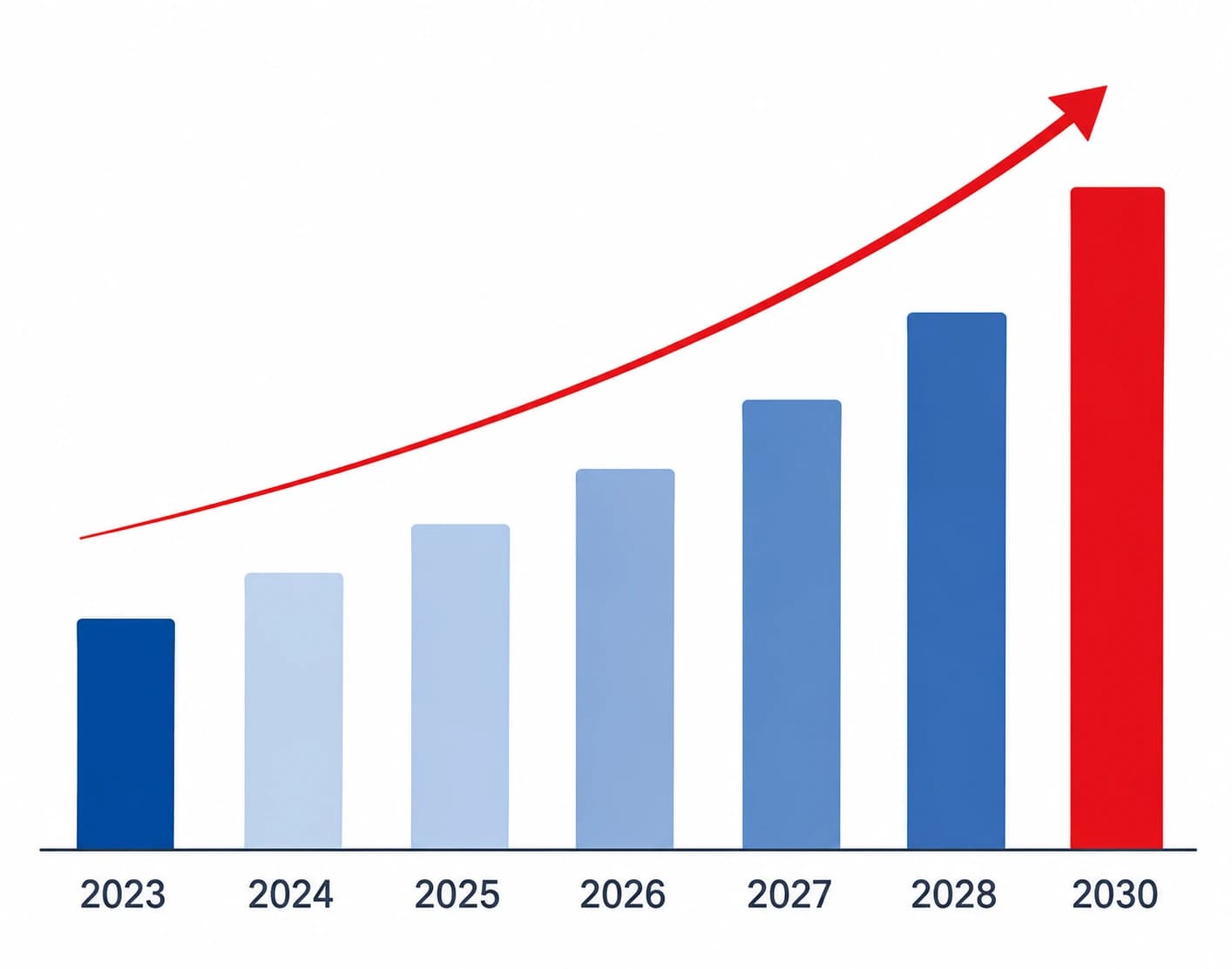
The global market for Self-Feed Drilling Unit was estimated to be worth US$ 372 million in 2025 and is projected to reach US$ 513 million, growing at a CAGR of 4.7% from 2026 to 2032.
Self-Feed Drilling Units are modular drilling heads with integrated spindle rotation and automatic axial feed, used to perform repetitive drilling, countersinking, reaming, tapping preparation, and hole-processing operations in dedicated machines, transfer lines, automated fixtures, and production cells. They are commonly driven by pneumatic, hydraulic, electric, or servo mechanisms and are used where consistent feed, fixed stroke, and repeatable hole quality are required. Application fields include automotive parts, appliance components, hardware, furniture fittings, valves, castings, aluminum profiles, and general machinery parts. This category excludes complete drilling machines, CNC machining centers, portable drills, simple drill presses, and standalone spindle motors.The industrial chain of Self-Feed Drilling Units includes upstream suppliers of motors, pneumatic cylinders, hydraulic cylinders, feed screws, gears, bearings, spindles, chucks, collets, seals, guide sleeves, housings, couplings, sensors, limit switches, solenoid valves, lubricators, control modules, castings, alloy steel, aluminum parts, surface-treatment materials, and precision machined components. The midstream consists of drilling-unit and automation-component manufacturers that design and assemble feed mechanisms, spindle systems, stroke-control structures, speed-control modules, mounting interfaces, cooling arrangements, and customized multi-spindle or fixture-integrated units. Downstream users include automotive parts factories, appliance manufacturers, metalworking workshops, hardware producers, valve manufacturers, furniture fitting suppliers, casting processors, aluminum profile plants, machinery builders, and automated assembly-line integrators.
The Self-Feed Drilling Unit market is a practical automation market rather than a technology-concept market. Demand is sustained by manufacturers that still need reliable, repeatable, and low-cost hole processing in dedicated production lines, especially where full CNC machining is unnecessary or too expensive. Growth will come from fixture-integrated drilling, multi-station automation, automotive component processing, appliance parts, hardware, valves, aluminum profiles, and machinery components. The market favors products that are durable, easy to maintain, and simple to integrate, not units with excessive specification complexity. Supplier competitiveness will depend on feed stability, spindle durability, stroke repeatability, sealing reliability, and the ability to customize mounting structures quickly. The main pressure is that standard units are prone to price competition, while higher-value demand requires application engineering. Companies that combine standardized modules with fast customization are more likely to defend margins.In 2025, global Self-Feed Drilling Unit production reached approximately 111.04 thousand units, with an average global market price of around US$3,350 per unit. The gross profit margin of major companies in the industry ranged from 25% to 41%. In 2025, the global production capacity of Self-Feed Drilling Units was approximately 148.06 thousand units.
This report provides a comprehensive view of the global market for Self-Feed Drilling Unit, covering total sales volume, sales revenue, pricing, the market share and ranking of key companies, along with analyses by region & country, by Type, and by Application.
The Self-Feed Drilling Unit market size, estimations, and forecasts are presented in terms of sales volume (Units) and revenue ($ millions), with 2025 as the base year and historical and forecast data from 2021 to 2032. The report combines quantitative and qualitative analysis to help readers develop growth strategies, assess the competitive landscape, evaluate their position in the current marketplace, and make informed business decisions regarding Self-Feed Drilling Unit.
Chapter 1: Introduces the scope of the report and the global market size (value, volume, and price). It also summarizes market dynamics and Recent Developments; identifies key drivers and restraints; outlines challenges and risks for manufacturers; reviews relevant industry policies and U.S. tariff implications.
Chapter 2: Provides a detailed analysis of the Self-Feed Drilling Unit manufacturers' competitive landscape—including pricing, sales and revenue shares, Recent Developments plans, and mergers and acquisitions (M&A).
Chapter 3: Analyzes market segmentation by Type, presenting the size and growth potential of each segment to help readers identify blue-ocean opportunities.
Chapter 4: Analyzes market segmentation by Application, presenting the size and growth potential of each downstream segment to help readers identify blue-ocean opportunities.
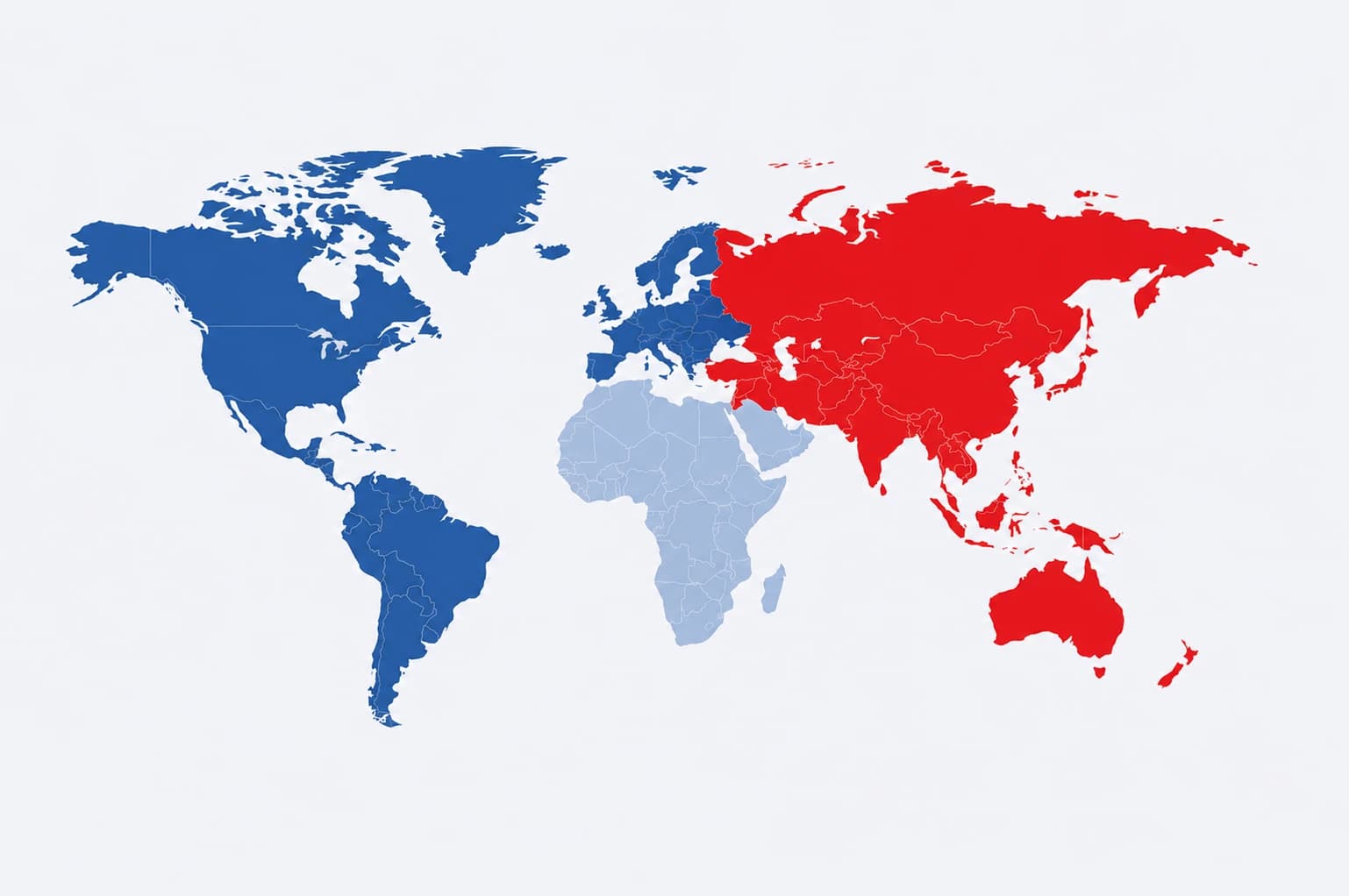
Chapter 5: Presents Self-Feed Drilling Unit sales and revenue at the regional level. It offers a quantitative assessment of market size and growth potential by region and summarizes market development, future prospects, addressable space, and country-level market size worldwide.
Chapter 6: Presents Self-Feed Drilling Unit sales and revenue at the country level. It provides segmented data by Type and by Application for each country/region.
Chapter 7: Profiles key players, detailing the main companies' product sales, revenue, pricing, gross margin, product portfolios, Recent Developments, etc.
Chapter 8: Analyzes the industry value chain, including upstream suppliers and downstream applications/customers.
- ★ What Is The Overall Market Size And Projected Growth Rate Across Global And Regional Segments?
- ★ How Does The Market Size And Growth Outlook Vary Across Major Countries?
- ★ Which Region Or Market Sub-Segment Is Anticipated To Dominate Growth During The Forecast Period?
- ★ What Are The Primary Factors Expected To Drive Market Expansion, And What Challenges May Restrain Growth?
- ★ Which Emerging Technologies And Market Trends Are Shaping The Future Landscape?
- ★ What Are The Most Significant Opportunities Available In The Market?
- ★ Who Are The Leading Manufacturers Actively Participating In The Global Market?
- ★ Which Company Currently Holds The Largest Share Of The Market?
- ★ What Are The Potential Growth Avenues For New Entrants In The Global Market?